Spain becomes Europe’s top pistachio producer as planted area nears 90,000 hectares
Spain has overtaken Greece to become the European Union’s leading pistachio producer and ranks fifth globally. Nearly 90,000 hectares are now planted, although many young orchards will not bear fruit for five to eight years.
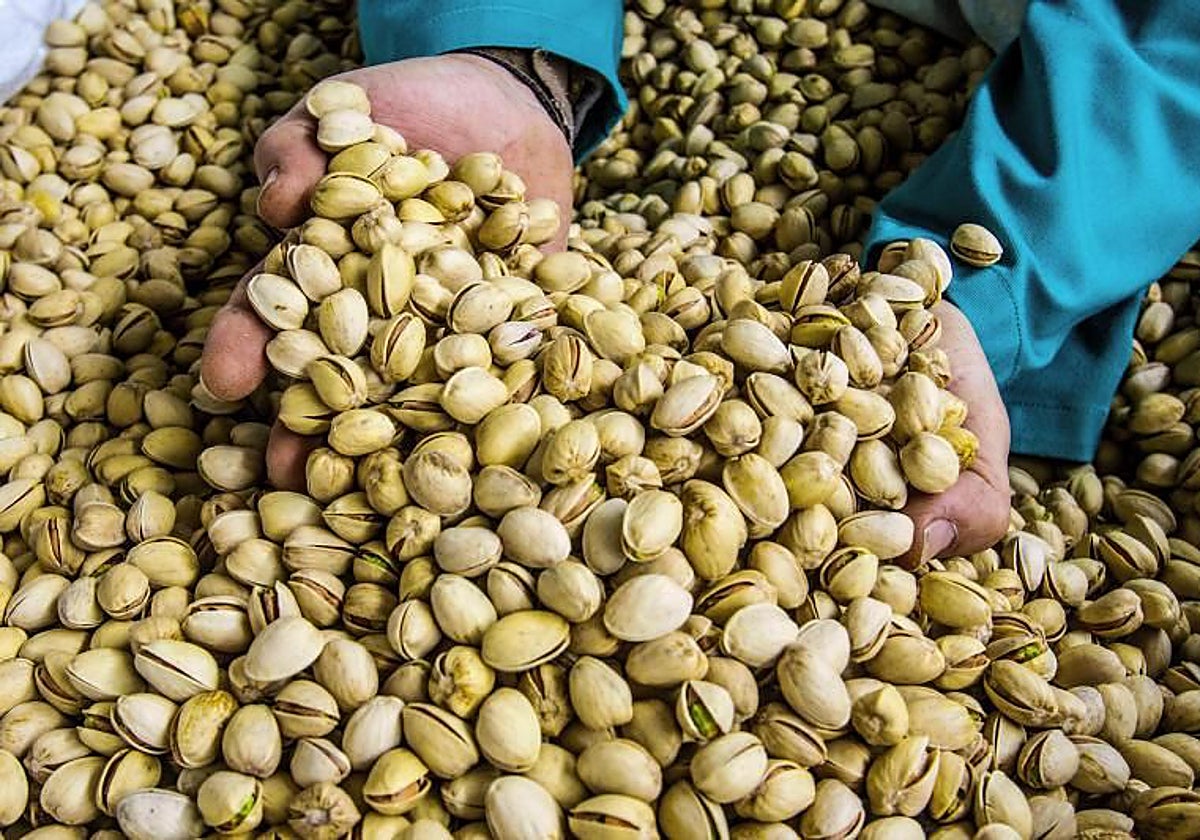
Spain overtakes Greece in European ranking
Spain has become the European Union’s largest pistachio producer and the fifth-largest worldwide, behind the United States, Iran, Turkey and Syria. El Correo reports that the country moved ahead of Greece during the 2025-2026 season, citing data from the International Nut and Dried Fruit Council.
The expansion has been rapid. Spain added 6,008 hectares of pistachio orchards in 2025, an increase of 7.2% from 2024, according to the ESYRCE crop area survey compiled by the Ministry of Agriculture, Fisheries and Food. Total planted area is approaching 90,000 hectares, divided roughly evenly between rain-fed and irrigated farms. Castilla-La Mancha accounts for about 80% of that area.
A decade earlier, in 2015, pistachios occupied only 6,368 hectares, less than 7% of the current planted area. Spain produced 34,200 tonnes in 2025, 10,000 tonnes more than in 2024, according to El Correo. Despite the growth, Spain represented only 0.85% of global production in the international council’s figures.
Young orchards create a delayed supply pipeline
Planted area does not yet translate directly into commercial output. Pistachio orchards generally require five to eight years to begin producing, depending on local conditions. A substantial share of Spain’s orchards remains in this juvenile phase, meaning output could continue rising as existing plantations mature even without the same pace of new planting.
Mario González, a farmer and technical director of the training platform Pistacho Pro, told El Correo that Spain could eventually become the world’s third-largest producer. That prospect depends on young orchards entering production and additional acreage being established. For the current harvest, however, weather remains a constraint. González expects output to be broadly similar to the previous season, while specialist operator Víridi Horizons estimates between 12,000 and 14,000 tonnes after rain and heat waves affected yields.
The global market remains concentrated. California leads production, while the source reports that it represents 65% of the global pistachio area. Iran is the second-largest producer and Turkey the third. Pistacho Pro said it had not observed a severe impact from the war in Iran on Iranian production, noting that some shipments leave the Persian Gulf through third countries including Turkey.
Exports offer better returns than the domestic market
International buyers are the principal destination for Spanish pistachios. Spain exported almost 5,000 tonnes of shelled and in-shell pistachios in 2025, generating close to €59 million, according to Datacomex, the Ministry of Economy and Trade’s official database. Italy, Poland and France were the leading destinations.
González said foreign demand can justify exports when the price difference reaches 30% or 40%. Retail consumers may pay about €20 per kilogram, although the reference exchanges in Albacete, Talavera de la Reina and Reus have not updated their pistachio quotations for several years.
Demand has been supported by uses including Dubai chocolate, ice cream, nougat, matcha drinks and sauces, as well as growing consumption in China and India. El Correo reports that the United States and Iran are both expected to have smaller crops this season because of an unusually hot spring and a naturally lower-output year. That could support prices for secondary producers such as Spain, but González cautioned against processors paying unsustainably high farm prices, particularly if global crops rebalance next year.