Seasonal fruit imports into Russia’s Stavropol region rise 50%
Around 3,000 tonnes of peaches, apricots and nectarines have entered Russia’s Stavropol region through the Mineralnye Vody customs post since July. Kommersant reports that seasonal fruit shipments increased 1.5-fold from the same period last year.
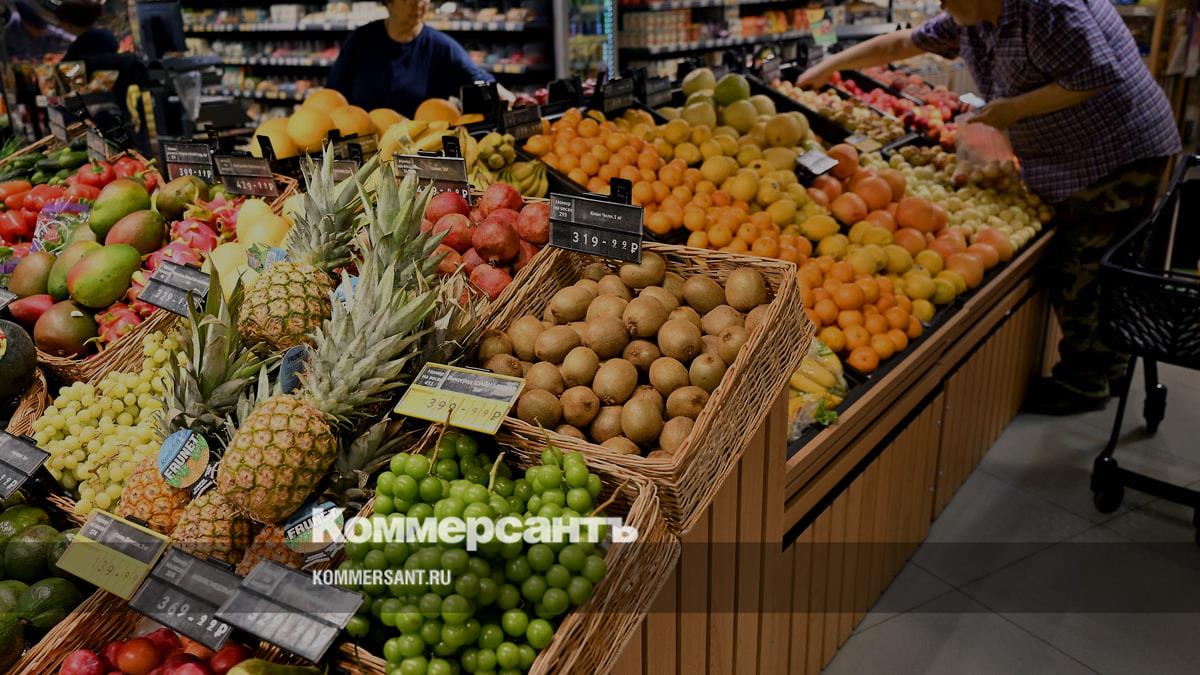
Shipments reach about 3,000 tonnes
Imports of seasonal fruit into Russia’s Stavropol region have increased markedly from last year. Around 3,000 tonnes of peaches, apricots and nectarines have passed through the Mineralnye Vody customs post since July, Kommersant reported, citing the North Caucasus Customs Administration.
The volume was 1.5 times the level recorded during the comparable period last year. A further 350 tonnes of cherries, grapes and melons were also imported into the region. The figures indicate broader demand across the summer fruit category rather than growth being limited to a single product.
The available data do not provide a breakdown of the 3,000 tonnes among peaches, apricots and nectarines, or disclose the value of the shipments. They nevertheless show a substantial rise in the physical flow of highly perishable produce handled by the regional customs infrastructure.
Four countries lead supplies
Georgia, Iran, Azerbaijan and Uzbekistan are the principal suppliers. The North Caucasus Customs Administration attributed the increase to steady consumer demand and stronger trade links, rather than to a shortage of Russian produce.
Data from Rosselkhoznadzor show that the product mix varies by origin. Georgia mainly supplies nectarines, potatoes, mandarins and plums. Shipments from Azerbaijan are concentrated in persimmons, apples, nectarines and peaches, while Iran supplies kiwifruit, celery and cabbage. The source did not provide a detailed product list for Uzbekistan.
This supplier mix gives Stavropol importers access to several categories of fruit and vegetables through nearby and established regional trade routes. For wholesalers and retailers, the larger inflow means more imported seasonal produce is reaching the market, while exporters in the four supplying countries gain additional sales opportunities in southern Russia.
Priority clearance for perishable goods
Boris Obolenets, president of the Union Chamber of Commerce and Industry of the Stavropol Territory, said perishable goods receive priority during customs clearance. According to him, this allows products to be released onto the market quickly, an important consideration for peaches, apricots, nectarines, cherries and other goods with limited storage lives.
Speed at the border does not remove regulatory controls. All imported products are subject to mandatory inspection and laboratory testing before they can be sold. Importation and sale are authorized only after compliance with Russia’s quarantine and phytosanitary requirements has been confirmed.
The combination of priority processing and compulsory laboratory controls defines the operating conditions for traders in this corridor. Importers must preserve product quality while completing the required checks, and suppliers depend on rapid handling to reduce spoilage risks. With about 3,000 tonnes of the three main seasonal fruits arriving since July, the customs post’s ability to process perishable cargo has become an important part of the regional supply chain.
The increase also points to a more active commercial connection between Stavropol and suppliers in Georgia, Iran, Azerbaijan and Uzbekistan. Customs authorities explicitly ruled out domestic scarcity as the main explanation, placing the emphasis instead on consumer demand and established trade relations. For market participants, the central signal is therefore stronger turnover in imported seasonal produce, supported by expedited customs treatment but still conditional on phytosanitary clearance.