EU border rejections mount for Turkish fruit and vegetables over pesticide residues
European authorities recorded 257 border rejection notifications for Turkish products in the first nine months of 2026, according to data reported by Haber Global. Fruit and vegetables accounted for the overwhelming majority, with pesticide residues and mold toxins driving many of the alerts.
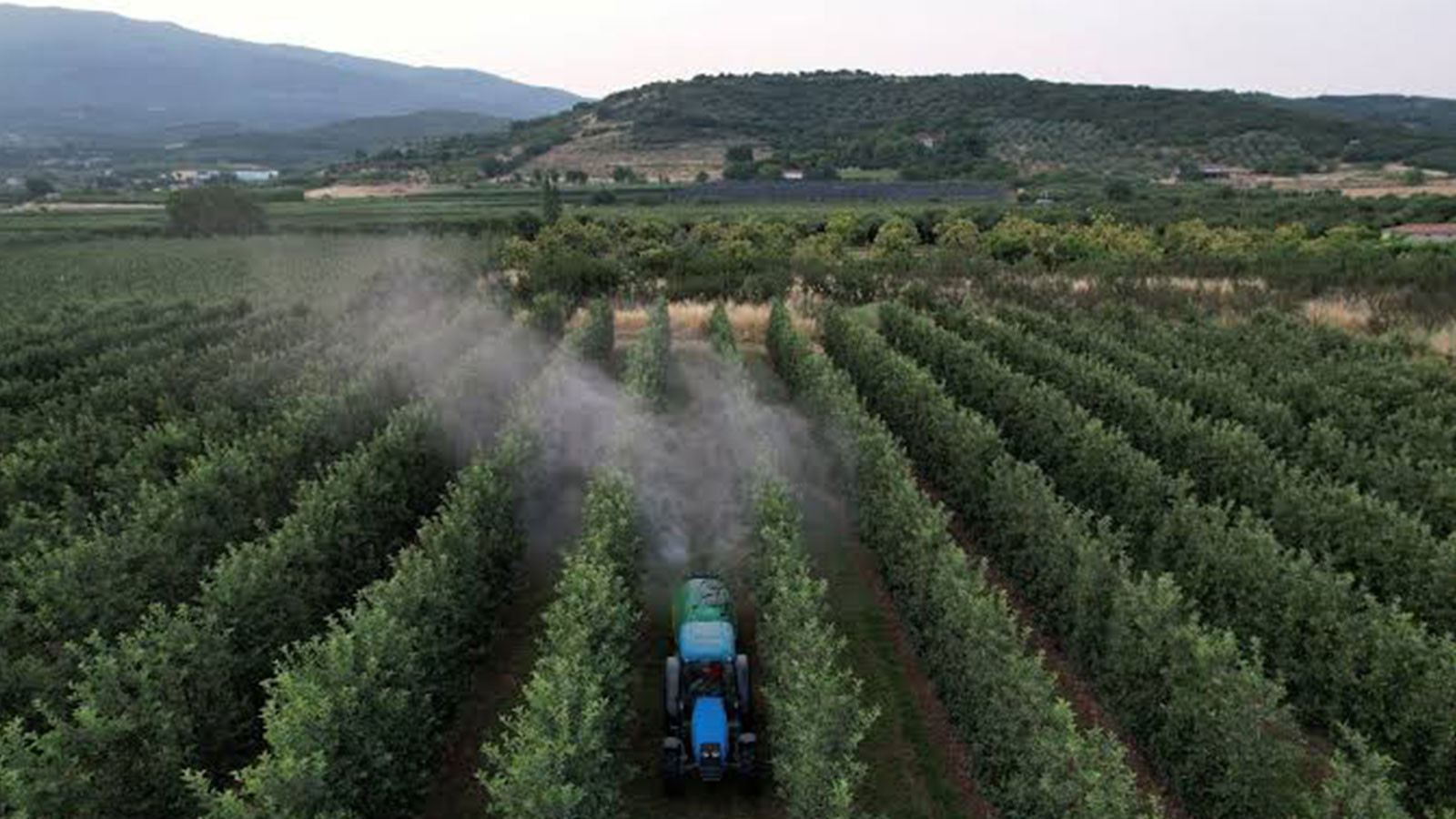
Border rejection notifications reach 257
European border controls are rejecting a substantial number of Turkish food consignments over pesticide residues and mold toxins, increasing compliance pressure on exporters of fresh and dried produce. Haber Global, citing data compiled from the European Union's Rapid Alert System for Food and Feed, reported 257 border rejection notifications involving products of Turkish origin in the first nine months of 2026.
As of 30 September, 229 of the notifications concerned fruit and vegetables, while 7 involved nuts, nut products and seeds and 5 related to food-contact materials. Spices and herbs also appeared in the records. A separate quarterly breakdown cited by the publication counted 80 fruit and vegetable rejections in the first quarter, 90 in the second and 62 in the third, producing a nine-month total of 232. The source does not explain the difference between that figure and the category total of 229.
Figs and peppers dominate September alerts
The concentration of alerts became particularly visible in September. Between 1 and 29 September, the system registered 37 notifications for Turkish products, of which 29 resulted in rejection at the European border. Dried figs and fig paste accounted for 16 notifications, and 15 of those consignments were rejected. Tests on the fig products primarily identified ochratoxin A and aflatoxin, toxins associated with mold contamination.
Fresh peppers ranked second, with 8 notifications during September. All 8 consignments were rejected at the Bulgarian border. Formetanate and acetamiprid were among the pesticide residues highlighted in the peppers. The problem was not confined to one month: during the first 24 days of June, Turkish pepper shipments generated 10 notifications. In August, one pepper consignment contained three different pesticides, with the amount of tebufenpyrad reported at approximately 50 times the legal limit.
Compliance becomes a condition of market access
Other products flagged during European controls included dried apricots, hazelnuts, peanuts, vine leaves, tomatoes, cherry tomatoes and various spices. The range of affected goods shows that exporters face two distinct control risks. Fresh vegetables are particularly exposed to pesticide-residue limits, while dried fruit and nuts can also be stopped because of aflatoxin or ochratoxin contamination. Both problems require controls before shipment, including farm-level pesticide management, residue testing, drying practices and storage conditions.
Food expert and researcher Gürkan Akgüneş told Haber Global that the rejected consignments show price and market competition are no longer the only decisive factors for Turkey's strong fresh produce and dried-fruit export sectors. Food-safety standards and pesticide residues have become a more critical threshold for exports. He also cautioned that the 257 notifications should not be interpreted as 257 consignments returned to Turkey: some products are destroyed, some are redirected to other countries and, in other cases, the final action is not specified. The figure therefore measures shipments found non-compliant at European borders rather than the volume physically sent back. For growers, packers and traders, repeated alerts can mean additional testing, delays and closer scrutiny, while sustained access to the EU market increasingly depends on documented control throughout the supply chain.