Biofuel expansion puts the global corn market under pressure as IGC and USDA cut 2026/27 forecasts
A Chatham House and Forest Stewardship Council study expects global biofuel production to grow by almost 70% by 2030 versus 2025, lifting demand for corn, sugarcane and vegetable oils. The IGC cut its 2026/27 world corn forecast to 1.301 billion tonnes and the USDA to 1.29 billion tonnes. Brazil heads for a record 148 million tonne crop, but domestic ethanol use absorbs a growing share of it.
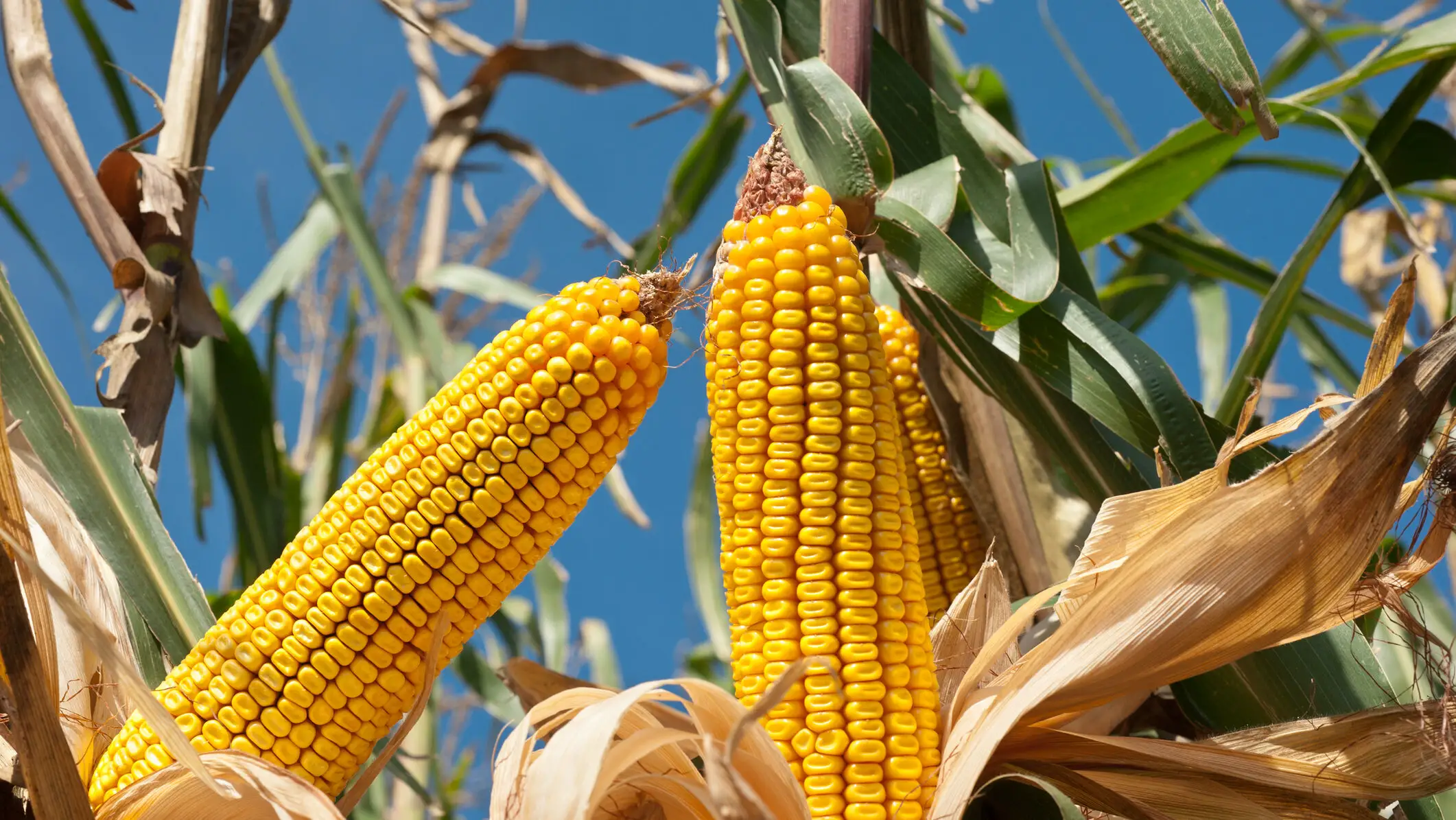
The world corn market is entering a period of pressure as biofuel production expands across major economies, Capital.ro reports. Demand for corn is set to rise in 2026 and 2027, making Brazil, the United States and the European Union decisive for the balance of the global market.
The shift is not only about supply. A study by Chatham House and the Forest Stewardship Council estimates that global biofuel production could grow by almost 70% by 2030 compared with 2025. That expansion would sharply increase demand for corn, sugarcane, vegetable oils and other agricultural feedstocks, exactly when the USDA estimates the largest gap between world corn production and consumption in 33 years.
Mandates create a second demand curve
The driver is a wave of blending mandates introduced or proposed in the United States, Brazil, China, India, Indonesia and the European Union. Higher fossil fuel prices reinforce the trend by improving the competitiveness of ethanol and biodiesel. If every proposed mandate were implemented in full, the land needed to grow biofuel feedstocks could more than double by 2030 against 2023, requiring roughly 36 million hectares of additional farmland.
Demand growth is concentrated in traditional feedstocks: corn, sugarcane and other food and feed crops. That sharpens the rivalry between energy use and food and feed use of the same harvest and supports prices in both markets. Amid the energy crisis, crude oil prices have risen by almost 40% since the end of February, while corn prices have gained about 20%.
September forecasts cut on both sides of the Atlantic
Supply expectations have deteriorated at the same time. The International Grains Council cut its 2026/27 world corn production estimate in September by 4 million tonnes, to 1.301 billion tonnes, citing weaker prospects in the United States, the European Union and India.
- United States: the IGC sees 401.3 million tonnes, against 406.7 million tonnes in its previous forecast and 432.2 million tonnes in 2025/26.
- European Union: the IGC estimate was lowered from 48.5 million tonnes to 46.4 million tonnes.
- Ukraine: the USDA puts production at 31.8 million tonnes and exports at 22 million tonnes.
The USDA is more cautious still. Its September WASDE report puts world corn production at 1.29 billion tonnes in 2026/27, 8 million tonnes below the August forecast, with ending stocks at 272.1 million tonnes, down from 274.66 million tonnes. For the European Union the USDA estimates production of 50.6 million tonnes and imports of 23.5 million tonnes, a higher output figure than the 46.4 million tonnes carried by the IGC.
Brazil: record crop, smaller exportable surplus
CONAB expects Brazilian corn area in 2026/27 to reach 23.7 million hectares, up 4.9%, with total output rising 2.8% to 148 million tonnes despite a slightly lower average yield of 6.24 tonnes per hectare.
For international buyers, a record crop does not automatically mean more corn available for export. Brazilian domestic consumption is forecast at 104.8 million tonnes, up 6.7%, mainly on the expansion of corn ethanol. The corn-based ethanol industry is relatively young but has grown quickly alongside the established sugarcane ethanol sector, absorbing a rising share of the crop before it reaches export terminals. Combined with tightening global biofuel mandates, this could structurally limit the volumes available for Brazilian exports in the coming years, including in seasons with very good harvests.
What to watch into 2027
Competition for farmland may intensify in 2027. If better wheat prices push United States farmers to expand wheat area, holding corn acreage at very high levels becomes harder.
The market is not yet in a situation comparable to the severe 2012 deficit: the United States retains a relatively comfortable buffer, Brazil can still deliver very large crops, and wheat is harvested at different times in the northern and southern hemispheres. Still, world stocks are lower than a year ago, and the 2026/27 balance leaves far less room for additional production losses. The key variable is no longer the size of the global harvest but how much of it stays at home, which depends on a handful of key regions, on South American weather and on the pace at which biofuel plants absorb grain that would otherwise reach international markets.