US table-grape import season squeezed by Peru shortfall and weak demand
Peru’s table-grape crop is forecast to fall about 25%, but early shipments from Ica and lingering California supply have limited the impact on the US market. Importers face higher production, freight, tariff and labor costs while elevated retail prices curb consumer purchases.
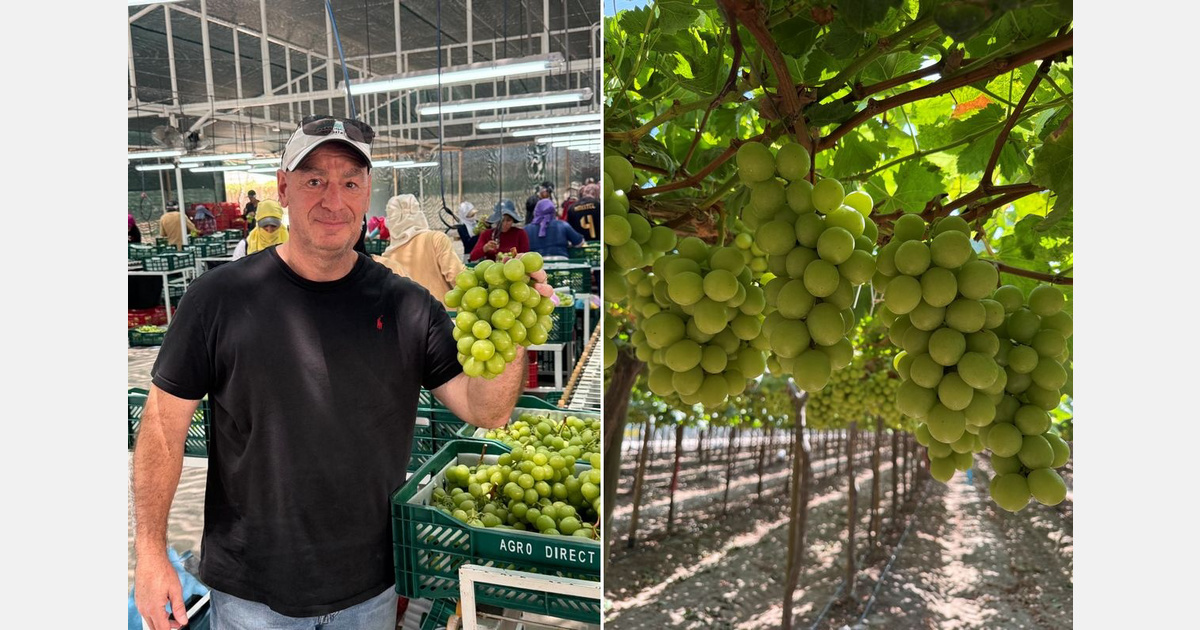
Early Ica harvest offsets northern Peru losses
The US table-grape import season is entering a difficult transition as lower production in northern Peru, an unusually early harvest in Ica and prolonged availability of California fruit reshape supply. FreshPlaza reported, citing the latest PROVID data, that Peru’s total table-grape crop is expected to be about 25% smaller than a year earlier. Most of the decline is concentrated in Piura, although signs of tighter availability are also emerging in Ica as harvesting progresses.
The immediate effect on US availability has nevertheless been limited. Early shipments from southern Peru are compensating for part of Piura’s shortfall. Ira Greenstein of Direct Source Marketing told FreshPlaza that Peruvian exports exceeded 1.5 million boxes in week 45, substantially more than in the corresponding week a year earlier. The early start in Ica therefore makes the headline production decline a less reliable guide to near-term market supply.
A similar pattern occurred during the transition from Mexican to California grapes. Mexico normally ships about 21 million boxes to the United States, but imports reached only 16 million this season, a decline of almost 25%. California’s unusually early harvest filled part of that gap and prevented prices from reaching levels normally associated with such a large reduction in Mexican volume.
California fruit prolongs the supply overlap
California remained active longer than expected because of favorable growing conditions. Around 3 million boxes were shipped from the state in the week ended November 6, despite a slowdown in weekly movement. Growers continued selling remaining inventories, while retailers were expected to complete their transition to imported grapes after Thanksgiving.
Pricing for red seedless grapes varied widely. Peru exported about 800,000 boxes during weeks 44 and 45, while California suppliers offered discounts to clear residual fruit. Imported Allison grapes were quoted at $24-$26 FOB for smaller sizes and $28-$32 for extra-large fruit. Limited volumes of premium red grapes in transit could strengthen the market in December, with the first good-quality red seedless shipments from Ica expected shortly after Thanksgiving.
White seedless grapes were also moving into a transitional period. An estimated 3 million boxes of California white grapes remained in cold storage, while Peru exported more than 1 million boxes in week 45, providing ample supply on the US East Coast. Uneven quality from Piura and deterioration in stored California fruit were supporting premiums for higher-quality imports.
Higher prices meet weaker consumer purchasing
Sweet Globe grapes were quoted at $36-$40 per box and good-quality Autumncrisp at $42-$44. Premium Autumncrisp from Ica reached $48-$52 FOB, although Greenstein questioned whether those prices were sustainable. Direct Source Marketing was working with fixed prices of about $42 per box FOB New Jersey through February. According to Greenstein, that equates to roughly $2.83 per pound before retail margins and at least $3.99 per pound for consumers, or about $8 for a bag of grapes.
Demand is limiting the market’s response to reduced production. Greenstein said retailers were reporting unchanged sales value in dollars but substantially fewer units sold, indicating that consumers are reducing purchases as fruit prices rise. This leaves importers and exporters unable to assume that a smaller crop will automatically produce stronger returns.
Costs are tightening margins across the chain. Production and transport expenses have increased, import tariffs are adding pressure, and Peru’s early grape harvest intensified competition for workers with the blueberry sector, pushing wages higher. Some Ica growers could finish harvesting by December 15, while the timing of Chile’s coming season remained uncertain. That combination may create further swings in availability, but the central risk for traders is demand: if incoming volumes exceed what consumers will buy at current prices, the market can weaken despite Peru’s production decline.