Peru’s non-traditional exports to Spain reach record $459.5 million
Peru’s non-traditional exports to Spain rose 1.5% year on year to $459.548 million in January-May 2026. Agriculture, agro-industry, fisheries and aquaculture accounted for 93% of the flow, while Peru recorded a $591 million bilateral trade surplus.
Value-added exports set a January-May record
Peru’s non-traditional exports to Spain reached $459.548 million between January and May 2026, up 1.5% from the same period of 2025, according to the Peruvian Exporters Association, ADEX. PortalPortuario rounded the total to $460 million and reported that the comparable figure a year earlier was $453 million. The result marked a record for the period and was primarily supported by Peru’s value-added food supply.
The increase in non-traditional shipments contrasted with the performance of Peru’s overall exports to Spain. Gabriel Arrieta Padilla, head of Economic Studies and Commercial Intelligence at the CIEN-ADEX research center, said traditional and non-traditional exports combined declined 8.1% year on year during the first five months of 2026. Nevertheless, shipments to Spain expanded at an average annual rate of 20% over the previous five years, and Arrieta said he expected a recovery during the remaining months of 2026.
Agriculture contracts as seafood shipments expand
Agriculture and agro-industry generated $311 million, while fisheries and aquaculture contributed $116 million. Together, these sectors represented 93% of Peru’s non-traditional exports to Spain. Their trajectories diverged: agricultural and agro-industrial shipments fell 5.3%, whereas fisheries and aquaculture grew 26.4%. Squid and scallops were among the products driving the stronger seafood performance.
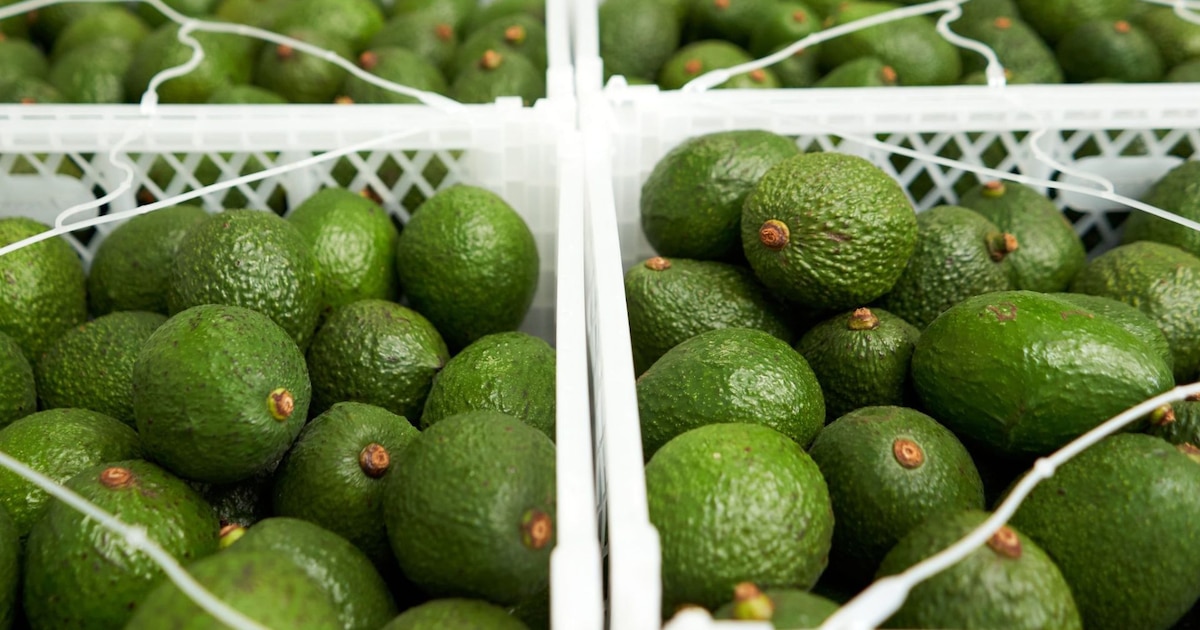
The agricultural portfolio included avocado, grape, piquillo pepper, mango, onion, artichoke, asparagus and cocoa paste. Infobae reported that Spanish consumers increasingly consider quality, health, sustainability and convenience while remaining sensitive to price, citing PwC’s Voice of the Consumer 2025 report. Interest in traceable origins, differentiated attributes and health-related benefits may create opportunities for Peruvian suppliers, particularly where products can address concerns about pesticides and ultra-processed food.
Other non-traditional sectors remained much smaller than food. Chemical exports totaled $16.883 million, followed by non-metallic mining products at $8.828 million. PortalPortuario also listed miscellaneous products at $2 million, iron and steel products at $1.586 million, textiles at $1.156 million, apparel at $1.124 million, metalworking products at $834,000 and wood products at $129,000. The concentration in food means that changes in Spanish demand, harvest availability and seafood supply will remain decisive for the aggregate result.
Peru maintains a substantial bilateral surplus
Peru’s total exports to Spain, including traditional goods, amounted to $975.868 million in January-May 2026, while imports from Spain reached $385 million. This produced a bilateral trade surplus of $591 million for Peru. Major Spanish products entering the Peruvian market included particleboard, machinery for cleaning or grading fruit, beauty products and copper electrical conductors.
Spain, with a population of about 49 million, is one of the European Union’s principal consumer markets and the bloc’s second-largest destination for Peruvian shipments, according to Infobae. The latest figures show that diversification is progressing despite the decline in total exports. For Peruvian producers and processors, the immediate commercial challenge is to sustain the rapid expansion in seafood while restoring growth in the larger agricultural segment.