El Niño Hits Peruvian Export Crops as Garlic Prices Fall to $2.30–2.50
Peruvian exporter Prive says El Niño was the decisive factor of the season, forcing greener mandarins to market and closing that campaign about 15 days late. Garlic prices have fallen to $2.30–2.50 from $3.50–3.60 a year earlier on oversupply in Chile and Argentina and a larger planted area in Mexico. Avocado, mango and grape campaigns start between late October and November.
Peru is moving into the busiest part of its export calendar with garlic prices roughly a third below last season and a mandarin campaign that closed about 15 days late, according to an interview with Emerson Primo, general manager of the Peruvian exporter Prive, published by FreshPlaza. El Niño, Primo said, “has largely affected our production”.
The country remains one of the most active suppliers in the southern hemisphere, combining dry products such as garlic with fresh lines including mandarins, mango, avocado, grapes and pomegranate. Prive operates across both categories, a structure that spreads its exposure across several campaigns and several destination markets.
Garlic prices down on regional oversupply
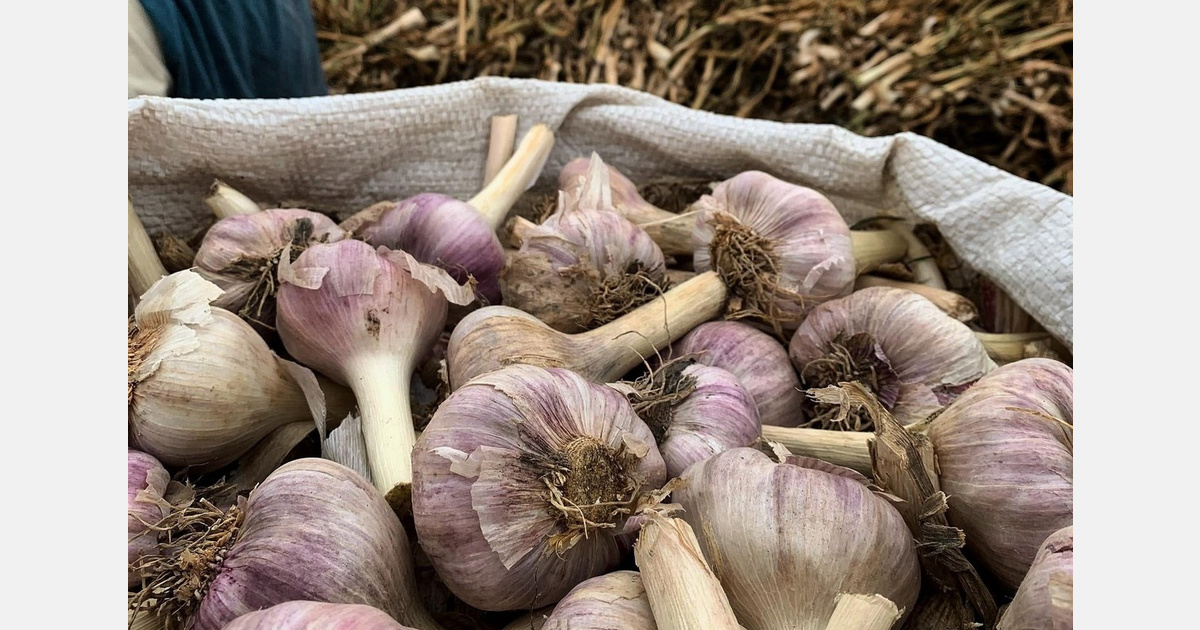
The garlic campaign began in August and will run through February. Primo described the crop as one of the pillars of the business: “we can say we are in the top 4 nationally in Peru”.
Mexico is the reference market. Chinese white garlic of Peruvian origin is the most demanded variety there, followed by napuri garlic. The company also supplies the United States, France and, more recently, Poland.
Pricing has moved sharply against sellers. Last year values ranged between $3.50 and $3.60, while current levels are $2.30, $2.40 and up to $2.50. Primo attributes the fall to overproduction in Chile and Argentina, together with a larger planted area in Mexico, although Mexican fruit is of lower quality following adverse weather events.
Heat waves and the mandarin colour problem
Weather was the most decisive factor of the season. Heat waves held back colour development in mandarins, obliging the company to ship fruit greener than usual to Mexico, where unmet demand allowed it to be placed without difficulty. Unlike oranges, mandarins cannot be treated with ethylene, Primo noted, which removes the standard degreening option. The campaign closed roughly 15 days behind schedule, with around 50 containers shipped in total. Mexico and Colombia were the main destinations, alongside Miami.
Avocado, mango and grapes next in line
The Fuerte avocado campaign starts at the end of October, aimed mainly at Chile, a market Primo describes as particularly demanding: “It is much more complicated to sell to Chileans than to sell to Americans.” Mango also begins at the end of October, while Sable Seedless grapes grown in Arequipa start in November, from new plantations still in the process of adapting.
The calendar leaves little slack. Garlic runs from August to February, ginger begins in September–October, avocado and mango open at the end of October and grapes in November, concentrating several campaigns in the fourth quarter. Mexico appears on both the garlic and the mandarin side, while Chile is simultaneously a source of competing garlic supply and the target market for Fuerte avocado.
Dry lines follow the garlic customer base
Prive also sources ginger in the Pichanaki area, a crop that starts in September–October. According to Primo, ginger usually travels together with other dry lines such as paprika, Andean grains and pulses, which are requested by the same customers that buy garlic. “On the basis of the garlic we handle, customers ask us for ginger, they ask us for paprika,” he said, explaining why the company keeps dry and fresh lines within a single offer.
Despite the weather difficulties, Primo highlighted the institutional support received: PromPerú “helps us with promotion so that we can reach different markets”, assistance the company considers important in an increasingly competitive commercial environment.