MHP’s Nitsiakos Acquisition Expands Ukrainian Poultry Group Across Southern Europe
Ukraine’s MHP has acquired Greek poultry producer Nitsiakos, adding a major domestic brand and vertically integrated production base to its expanding European network. The deal follows acquisitions in Slovenia and Spain as MHP diversifies beyond war-exposed Ukrainian operations and faces scrutiny over competition in the EU poultry market.
MHP adds a leading Greek poultry business
Ukrainian food group MHP has acquired Nitsiakos, one of Greece’s leading vertically integrated food producers and the country’s largest poultry producer, extending its production network across the Balkans and Southern Europe. Greek business publication OT reported that the transaction took place in May, although the purchase price was not disclosed in the source material.
Nitsiakos, founded in the 1970s, has an established production base and a significant position in Greece’s domestic market, particularly in Epirus. The company recorded consolidated turnover of approximately €540 million in the financial year ended December 31, 2025, according to OT. Its integration gives MHP a recognized Greek brand, local operating expertise and an additional platform for producing, processing and distributing poultry.
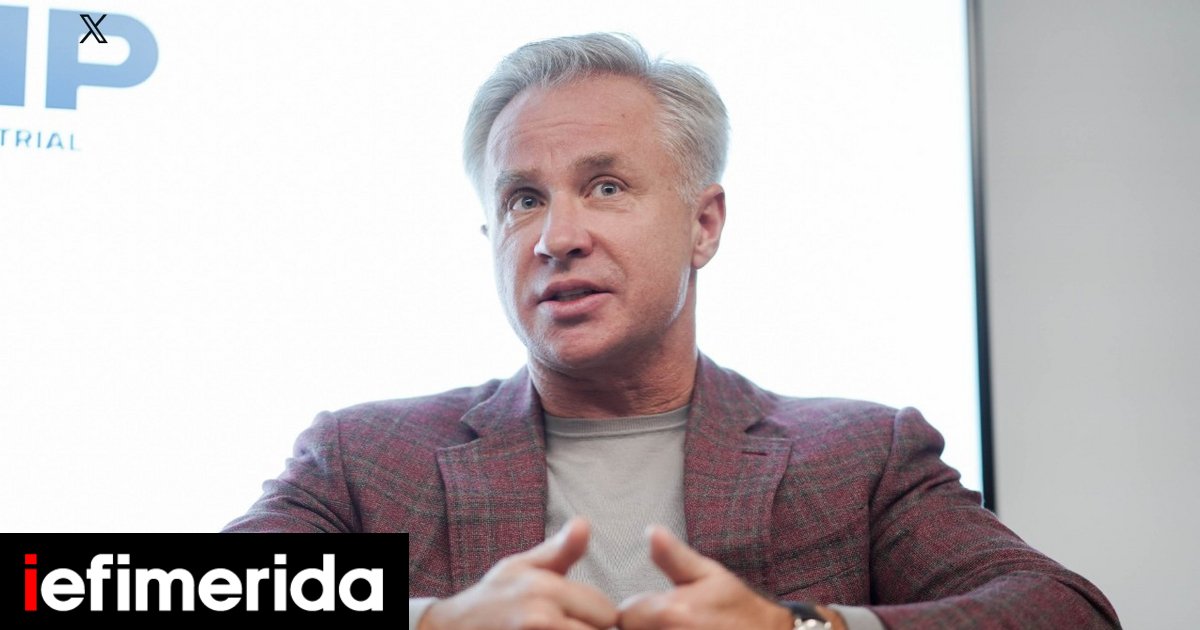
MHP founder Yuriy Kosiuk described Nitsiakos as the type of partner the group was seeking, citing its reputation, Greek roots and workforce. The acquisition places an important regional producer inside a much larger European food network rather than simply adding another destination for Ukrainian chicken exports.
A wider European acquisition strategy
MHP produces more than 500 million birds annually and operates a vertically integrated model covering breeding, feed production, farming, slaughter, processing, packaging and distribution. According to iefimerida.gr, industry publication WattPoultry ranks it as Europe’s leading poultry producer. The group exports poultry, processed meat products, grain, vegetable oils and biomethane to more than 80 countries and employs over 39,000 people internationally.
The Nitsiakos transaction follows MHP’s 2019 acquisition of Slovenia-based Perutnina Ptuj, which already had operations across the Balkans and Central Europe. Kosiuk has said Perutnina’s earnings before interest, tax, depreciation and amortization increased 3.5 times after MHP introduced its operating expertise, according to iefimerida.gr.
MHP also acquired Spanish poultry group UVESA for €271 million in 2025, OT reported. Together, the Slovenian, Spanish and Greek businesses give MHP production assets inside several European markets and reduce its reliance on facilities in Ukraine. Group revenue reached $3.8 billion in 2025 and is projected to rise to about €5.5 billion once recent acquisitions are fully incorporated, according to the Greek reports.
War risk drives geographic diversification
MHP’s expansion has accelerated while its Ukrainian operations face Black Sea blockades, labor shortages caused by military mobilization and continuing missile and drone threats. Domestic production declined by 5% in 2025, according to OT. One production site was also struck by a Shahed drone in March, iefimerida.gr reported.
Access to capital has nevertheless improved. Fitch upgraded MHP in February after the company refinanced $550 million of debt through Ukraine’s first corporate bond issuance since the start of Russia’s full-scale invasion. Executive chairman John Rich told the Financial Times, as cited by OT, that MHP had acquired three companies within 18 months despite operating during the war.
Kosiuk has stated that international expansion remains the priority and that, within a decade, the Ukrainian part of the business should represent no more than half of the group. He is also considering the Arab world as a major future market while continuing to expand in Europe.
EU competition debate remains unresolved
MHP’s growth has intensified opposition from European poultry organizations. Producers argue that Ukrainian companies operate under different cost and regulatory conditions and benefited when the EU suspended tariffs and quotas on Ukrainian food for three years following Russia’s invasion. Industry groups have also criticized €300 million in loans provided to MHP by the European Bank for Reconstruction and Development.
Polish poultry and egg federation head Paweł Podstawka has called MHP’s expansion the principal threat to Polish producers, according to iefimerida.gr. Similar concerns have been raised in Hungary. MHP rejects allegations of unfair competition, saying its advantage comes from management efficiency, investment and productivity. It also says its production meets core EU poultry-welfare requirements and is supervised by Ukrainian and EU authorities.
The Nitsiakos acquisition changes that debate by making MHP more deeply embedded in EU production itself. Its competitive position will increasingly depend not only on Ukrainian supply but also on how successfully it integrates established European processors, brands and distribution systems.