Meshgin Shahr Forecasts 30,000-Tonne Grape Harvest as Growers Face Cost Pressure
Meshgin Shahr expects to harvest about 30,000 tonnes of grapes, supported by favorable growing conditions and experienced producers. Growers say rising input and labor costs, uncertain farmgate prices and limited cold storage and processing capacity threaten margins.
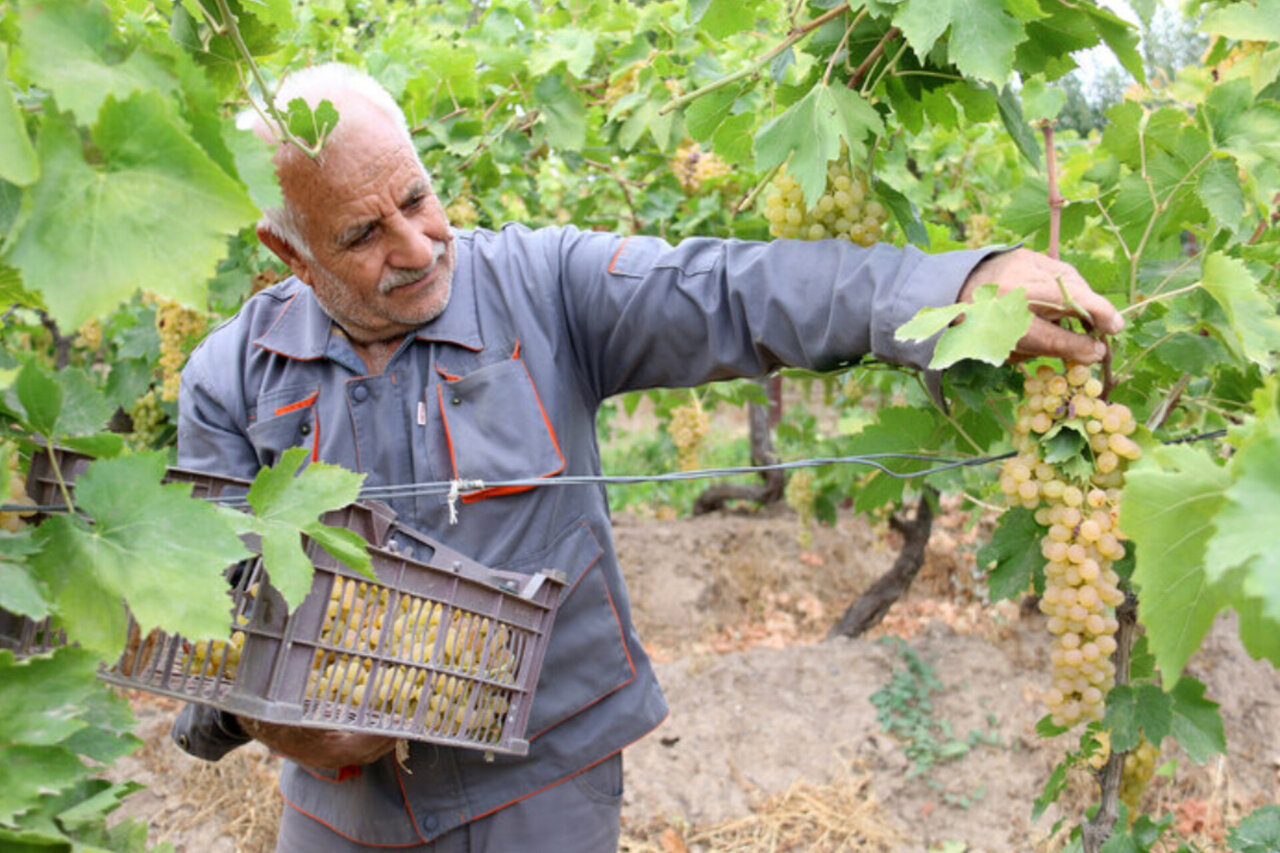
District expects about 30,000 tonnes
Meshgin Shahr, an important horticultural district in Iran, is forecast to harvest about 30,000 tonnes of grapes as its picking season begins. Bijan Mahmoudi, head of the district’s Agricultural Jihad department, told Mehr News that vineyard acreage, favorable climatic conditions and growers’ experience support the region’s production capacity and the quality and market competitiveness of its grapes.
Mahmoudi said better vineyard management, compliance with technical recommendations and modern cultivation, maintenance and harvesting methods could raise yields and improve quality. Training growers, transferring technical knowledge and increasing productivity could also strengthen production and farm incomes. The district’s grapes serve the domestic market, while better packaging, processing, storage and transportation could help producers reach additional domestic and foreign buyers.
Higher costs collide with uncertain prices
The harvest forecast contrasts with growers’ concerns about profitability. Farmers interviewed by Mehr News reported significant increases in the cost of fertilizer, crop-protection products, labor and other vineyard inputs. They must fund production for months without knowing the price buyers will offer at harvest, making it difficult to plan investment and operations for the following season.
Labor availability is a particular concern during the harvest peak because grapes require workers to pick the crop. Growers said higher wages are adding to fertilizer, pesticide, irrigation and vineyard-maintenance expenses, although they cannot reduce product quality to offset those costs. Some also said intermediaries control a substantial part of the buying and selling process. Direct sales channels or organized purchasing centers could therefore give producers more options and potentially improve farmgate economics.
Limited processing weakens bargaining power
Grapes are perishable and cannot remain on farms for long after picking. According to growers cited by Mehr News, insufficient cold-storage and processing capacity often forces them to sell quickly, reducing their bargaining power and contributing to lower farmgate prices. They are seeking more local processing and packaging facilities that could turn part of the crop into raisins, juice and other products, extend shelf life and retain more value in the district.
Mahmoudi said development of the production chain and complementary industries could reduce sales of unprocessed grapes and increase value added for local producers. Economic experts cited in the report also see potential for Meshgin Shahr to become a regional grape-processing center, given its varied climate and long horticultural tradition. Realizing that potential would require investment in modern cold stores and processing plants, stronger marketing routes and coordination among public institutions, private investors and growers. The outcome of the current harvest will depend not only on the expected volume but also on whether the market absorbs the crop at prices that cover rising production costs.