Logistics constraints limit Iran’s ability to turn fruit output into exports
Iran produces an estimated 20-22 million tonnes of fruit annually, but weaknesses in cold-chain logistics, transport, packaging and market access constrain export growth. The country’s fruit, dried-fruit and nut exports were valued at about $4.6 billion in 2024-2025.
Production strength has not secured trade leadership
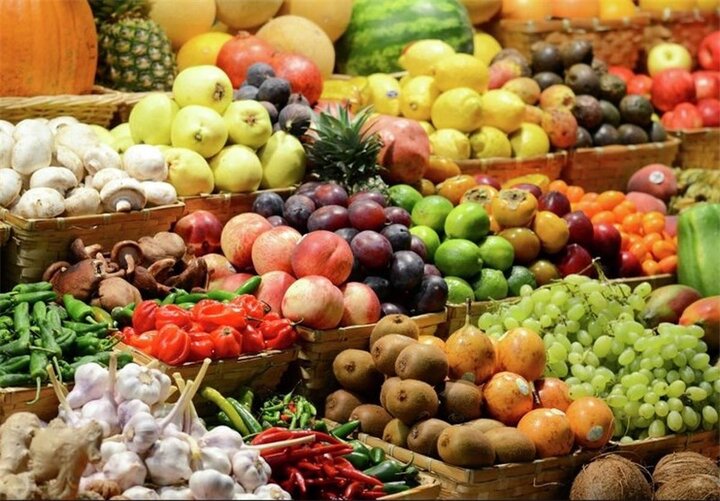
Iran’s substantial fruit output has yet to translate into a comparable position in international markets, as transport limitations and weaknesses across the export chain restrict access to buyers. Bazar reported that Iran produces an estimated 20-22 million tonnes of fruit annually, equivalent to about 2-3% of global output.
The value of Iranian exports in the combined fruit, dried-fruit and nut category reached about $4.6 billion in 2024-2025, representing close to 2.2% of the category’s global export value, according to the report. The production and trade percentages cover somewhat different product baskets, so they are not directly comparable. They nevertheless indicate that Iran has a large horticultural base but remains behind major trading countries in converting production into international sales.
The wider market offers room for expansion. Bazar put the value of the global fresh and processed fruit market at more than $700 billion and estimated average annual growth at about 4-6%. International trade accounts for around 15% of global fruit production, with most output consumed within producing countries.
Cold-chain and financial barriers raise export risk
Iran’s constraints extend from the orchard to the destination market. The report identified weak cold-chain and transport infrastructure, inadequate standardisation and packaging, limited branding and restricted access to financial markets under sanctions among the principal obstacles. Drought and water scarcity also cause fluctuations in production, while exports contain a relatively low share of higher-value processed products.
These problems are especially significant for fresh fruit, where temperature control, delivery speed and predictable handling determine shelf life and saleable quality. An exporter may have a competitive product at the farm gate but still lose value through inadequate storage, inconsistent packaging or delays before arrival. Improving logistics therefore affects not only shipment volumes but also the prices Iranian suppliers can obtain and the claims or losses faced by buyers.
Iran has significant capacity in pistachios, dates, kiwifruit, apples, grapes, citrus fruit and pomegranates. However, it competes in a demanding market where Spain, the United States, the Netherlands, Mexico, Chile, Peru and China hold larger shares of international trade. Global demand is also shifting toward tropical, organic and premium-quality fruit, increasing the importance of certification, traceability and reliable delivery.
Water pressure complicates investment decisions
Production itself faces a longer-term constraint. Mojtaba Shadlou, chairman of the board of the Iranian Horticultural Union, told Bazar that the economic and environmental viability of Iran’s current fruit-production model must be assessed in light of drought and limited water resources. He also argued that established orchards represent years of investment and, in some cases, have taken decades to reach their strongest economic phase.
Shadlou said policy should consider the entire chain from production to consumption because distribution, intermediaries, wholesale and retail markets all influence the final price. For growers, continued investment depends on the ability to manage production costs and on having a sales mechanism that is clear and predictable.
Potential investment areas identified in the report include processing, smart packaging, cold-chain development, organic fruit and agricultural e-commerce. Processing and better packaging could raise export value and reduce reliance on raw-product sales, while stronger refrigerated storage and transport could cut losses. For Iran’s producers and exporters, additional output alone is unlikely to close the commercial gap: market access, standards and dependable logistics will determine how much of the existing crop can reach foreign customers profitably.