Kashmir launches ₹1.26 billion cherry program after weather cuts crop by up to 40%
Jammu and Kashmir has launched a ₹1.26 billion program to raise cherry production, expand cold storage and improve processing. The initiative follows a weather-related crop decline of 35–40% in some areas and seeks to strengthen access to domestic and Gulf markets.
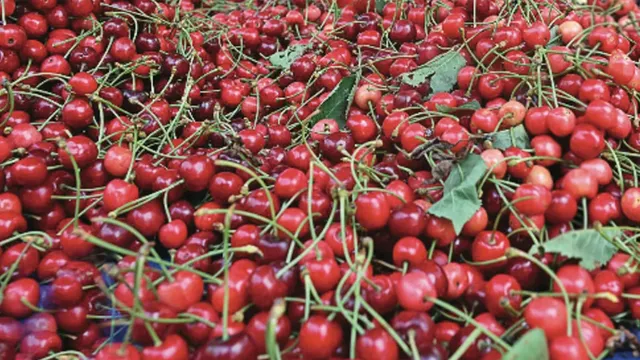
Weather cuts output in major growing areas
Jammu and Kashmir has launched a ₹1.2593 billion cherry development project after unseasonal rain, hail and fluctuating temperatures reduced production across parts of Kashmir. Jagran reported that output fell by about 35–40% in some areas, with Ganderbal, Shopian and Srinagar among the major producing districts most affected.
Lower supply caused losses for growers, although reduced arrivals also supported prices above last year’s levels in several markets. Shopian fruit producer Aftab Ahmad Waza told Jagran that around 500–600 tonnes of cherries reached the wholesale market during the season. Growers in the upland areas of Tangmarg, Ganderbal, Pulwama and Baramulla also produce significant volumes.
Kashmir normally produces about 12,000–14,000 tonnes of cherries and accounts for more than 90% of India’s output. The crop reaches the market before apples and therefore provides growers with early-season cash for fertilizer, crop protection products and labor. The cherry season runs through March, April and May, while the introduction of new varieties has extended the commercial window.
Program targets orchards, storage and processing
The ₹1.2593 billion project forms part of the Holistic Agriculture Development Program. It is designed to cover about 1,440 hectares of cherry orchards and benefit approximately 4,000 growers. Planned measures include improved planting material, modern orchard-management methods and technical training for farmers.
Government estimates cited by Jagran set a target of around 4,000 tonnes of additional cherry production. The project’s official projections indicate that productivity could rise by 20–30%, while farmers’ income could increase by 35–40%. These figures are targets rather than recorded gains and will depend on implementation and market conditions.
Post-harvest infrastructure is a central part of the plan because cherries have a short shelf life and growers can be forced to sell quickly. The project envisages controlled-temperature storage facilities with capacity of about 5,000 tonnes, alongside sorting, packing and processing units. Production of juice, jam, jelly, dried cherries and other products is intended to create an outlet for fruit that cannot be sold fresh.
Saudi Arabia and UAE shipments open export route
Kashmiri cherries were shipped to Saudi Arabia and the United Arab Emirates in 2025, according to Jagran. These deliveries established a route to Gulf markets, where reliable temperature control and rapid handling will be essential if exporters are to expand sales of the highly perishable fruit.
Domestic logistics also changed in 2025 when the first cargo train carrying Kashmiri cherries was sent to Mumbai. Rail offers an alternative to costly air freight and could improve access to distant Indian markets, provided transit times and cold-chain conditions protect fruit quality.
The program combines higher orchard output with capacity to manage that additional volume after harvest. Its commercial impact will depend on whether storage, grading, packing and processing facilities become operational in step with production growth. Weather remains the immediate risk: rain and abrupt temperature changes during flowering and fruit formation can directly reduce yields, as the latest season demonstrated.
Full market analysis