India’s retail inflation may reach 4.5% as edible oil, rice and pulses become costlier
Bank of Baroda expects India’s retail inflation to be around 4.5% in July 2026 as prices of edible oil, rice, pulses and onions rise. Better vegetable arrivals are providing some relief, while higher input costs remain a risk to the wider inflation outlook.
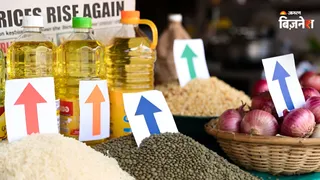
Food staples lift the inflation outlook
India’s retail inflation is expected to be around 4.5% in July 2026 as several widely consumed food products become more expensive, according to a Bank of Baroda report cited by Jagran. The assessment points to rising prices for edible oil, rice, pulses and onions, increasing pressure on household food budgets and the businesses supplying these essential products.
The forecast follows an increase in inflation during the opening months of the year. Jagran reported that Middle East tensions beginning in the final weeks of February affected foreign trade and supply chains, contributing to higher prices. Weather conditions have also influenced the inflation picture. Together, these factors are raising uncertainty for food processors, wholesalers and retailers that must manage both commodity costs and consumer resistance to higher prices.
Vegetable supplies offer partial relief
The pressure is not uniform across the food basket. Rainfall and improved market arrivals of major vegetables have helped contain prices for tomatoes and other seasonal produce. The supply of tomatoes, onions and potatoes—the group commonly known as TOP—has shown no significant disruption, according to the report. Onion prices have nevertheless fluctuated, and this volatility may continue in the coming days.
This distinction matters for the market. Stable physical availability of major vegetables can prevent a broader food-price surge, even when individual products become temporarily more expensive. For growers and traders, however, continued onion volatility complicates procurement and inventory decisions. For consumers, lower tomato and seasonal vegetable prices may offset only part of the additional spending required for edible oil, grains and pulses.
Core inflation and input costs remain in focus
Bank of Baroda expects core inflation, which excludes food and fuel, to be approximately 4% to 4.1% in July. Falling international gold prices are expected to reduce some pressure from personal-care products and the core inflation measure. The report also warns that an eventual rise in input costs could push inflation higher again, leaving manufacturers and processors exposed even if current vegetable supplies remain adequate.
Sugar provides another sign of pressure in India’s food market. Reports cited by Jagran indicate that sugar prices rose by as much as 17% over one month. Average prices across the country increased from ₹3,960 per quintal to ₹4,620 per quintal. The change raises costs for households as well as confectionery, beverage and other food manufacturers that use sugar as an input.
For agricultural markets, the July forecast therefore presents a mixed picture rather than a single supply shock. Vegetable arrivals are supporting tomato and seasonal produce availability, while edible oil, rice, pulses, onions and sugar are creating stronger cost pressure. The effect on processors and traders will depend on their product mix, purchasing schedules and ability to pass higher costs through to customers without weakening demand.