European Commission weighs farm-market and subsidy curbs for Ukraine after EU accession
The European Commission is considering special restrictions on Ukraine’s access to the EU agricultural market and farm subsidies after any future accession. The internal proposal seeks to address concerns in Poland, France and Italy while supporting Ukraine’s return to traditional export markets.
Special terms proposed for Ukrainian agriculture
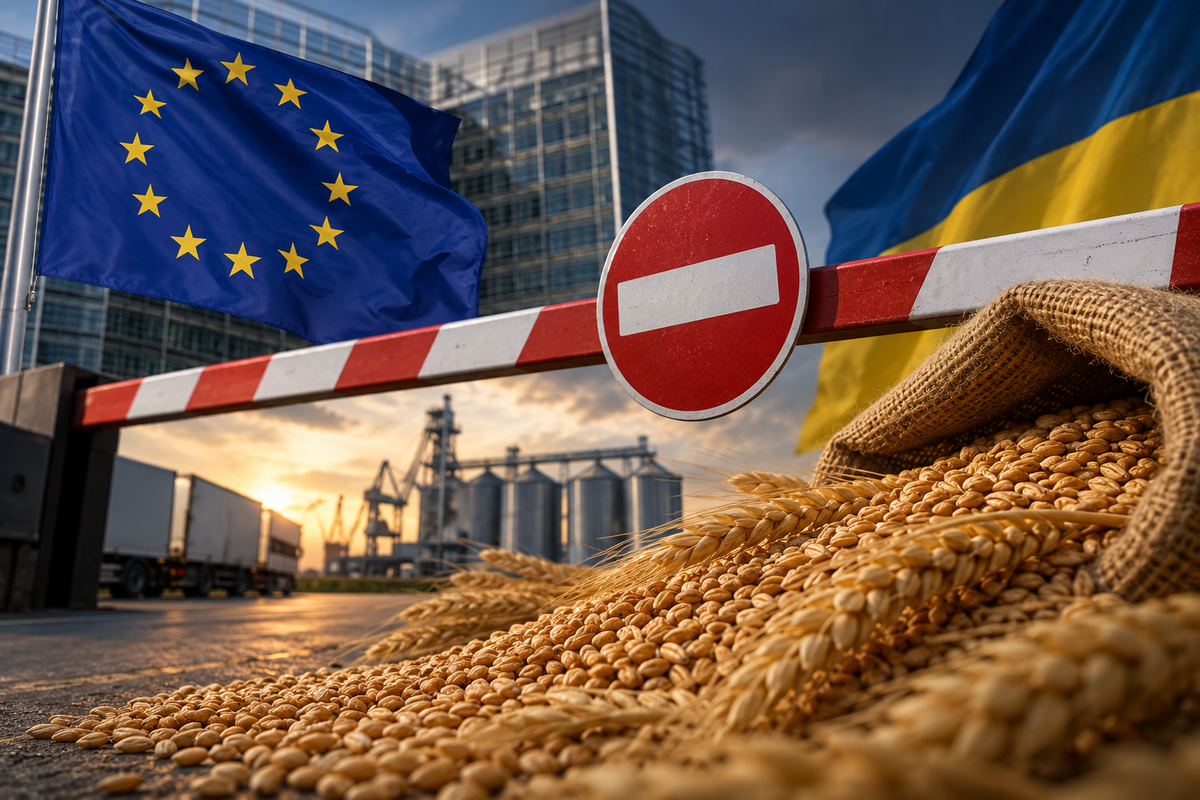
The European Commission is considering substantially limiting Ukraine’s access to the European Union’s agricultural market and financial support after any future accession, according to an internal document seen by the Financial Times. The proposal reflects concern that Ukraine’s large and productive farm sector could sharply increase supplies of grain and oilseeds within the bloc.
The document says the scale, structure and high productivity of Ukrainian agriculture require a separate approach. It proposes targeted arrangements that could restrict both the volume of Ukrainian farm products entering the EU market and Ukraine’s eligibility for agricultural subsidies even after the country becomes a member.
No final conditions have been agreed. The provisions remain part of an internal Commission document under discussion by senior officials, and the eventual form of any restrictions may change. Ukraine’s government and foreign ministry did not respond to the Financial Times’ requests for comment.
Competition and the €55 billion subsidy system
The potential limits cover products including wheat and other grain. EU governments are particularly concerned about a rapid rise in Ukrainian grain and oilseed supplies, which could place pressure on prices and competition for producers already operating inside the single market. The Financial Times identified Poland, France and Italy among the countries worried about the effect of Ukrainian membership on their agricultural sectors.
Subsidies are another central issue. The EU’s agricultural support system distributes about €55 billion annually. Giving a major agricultural producer full access to that funding could materially alter the allocation of support among member states, making the treatment of Ukraine one of the most sensitive financial questions in future accession negotiations.
Brussels is simultaneously considering support for Ukraine in restoring access to traditional export markets disrupted by Russia’s war. This points to a two-track policy: limiting potential pressure on the EU market while helping Ukrainian producers rebuild sales outside the bloc. For farmers and traders, the details will determine whether future integration redirects more Ukrainian production into the EU or preserves a stronger orientation toward established overseas markets.
Trade safeguards within a wider enlargement reform
The debate follows the end of the EU’s temporary trade-liberalisation measures for Ukraine. USI reported that tariff-rate quotas were restored from June 6, 2025, reducing the volumes that Ukraine could supply duty-free. The changes covered poultry meat, egg products, beef, pork, sugar, oats, maize, groats and honey.
The agricultural proposal forms part of a broader planned reform of EU enlargement. The Commission wants financial benefits of membership to depend on continued legal and financial reforms, backed by legislative and financial sanctions when commitments made during accession negotiations are not maintained. It also proposes stronger post-accession controls concerning the rule of law and possible loss of access to EU budget funds.
Ukraine, Moldova, Montenegro and Albania are identified in the document as the candidates currently most advanced in the accession process. Individual road maps are proposed for all four, but without specific membership dates. For Ukraine’s agricultural sector, the central unresolved issue is whether accession would eventually deliver full participation in the single market and subsidy system or create a lasting category of restricted membership for farm products.