Elazığ Sugar Factory Opens 71st Campaign With 240,000-Tonne Beet Target
The Elazığ Sugar Factory has launched its 71st sugar beet purchasing and processing campaign for the 2026-2027 season. The plant is due to take in 240,000 tonnes of beet and produce 25,000 tonnes of crystal sugar. The intake represents contracted offtake for growers inside the factory's delivery radius.
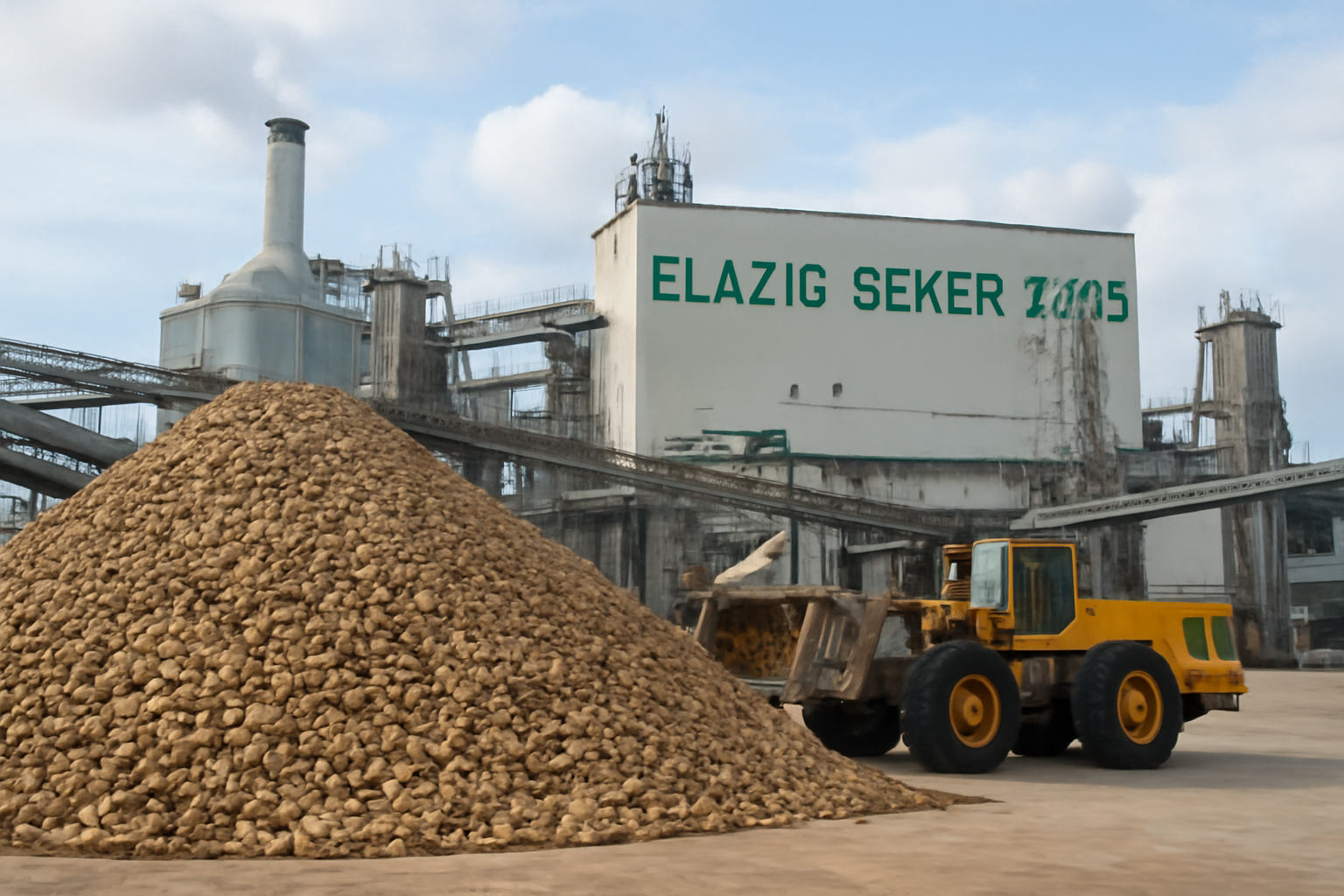
The Elazığ Sugar Factory in eastern Turkey has opened its 71st sugar beet purchasing and processing campaign, launching the 2026-2027 season with a ceremony at the plant. The factory is due to process 240,000 tonnes of sugar beet over the campaign and to produce 25,000 tonnes of crystal sugar from that intake.
Campaign targets
The figures announced at the opening set the scale of the season's work at the site:
- 240,000 tonnes of sugar beet to be purchased and processed;
- 25,000 tonnes of crystal sugar as the main expected output;
- 7,000 tonnes of a further output stream referred to in the announcement, the category of which is not specified in the available text.
The relationship between beet intake and sugar output implies a recovery of about 10.4 per cent of beet weight, which sits within the normal operating range for beet processing. The campaign numbering is a data point in itself: this is the 71st consecutive purchasing and processing season, placing the plant's operating history across seven decades of Turkish sugar production.
What the intake means for regional beet growers
Sugar beet is a contract crop. Growers commit area before sowing against an agreed purchase, and the harvested root cannot be held for long: sucrose content falls once beet is lifted, and prolonged storage in field clamps erodes both weight and sugar concentration. That biology fixes the commercial geography of the crop. Beet has no realistic second buyer beyond the catchment of a processing plant, because haulage costs quickly exceed the value of a bulky, high-moisture root.
A 240,000-tonne intake therefore represents guaranteed offtake for the growers inside the factory's delivery radius, along with seasonal demand for harvesting equipment, haulage capacity and campaign labour at the plant. Campaign length is the variable that matters most to both sides. Beet factories run continuously once slicing begins, and the number of days the plant operates depends on how quickly contracted beet arrives and on the sugar content of the roots delivered.
Output and the wider supply picture
The 25,000 tonnes of crystal sugar covers both retail-grade product and industrial supply to food and beverage manufacturers, which buy sugar in bulk for confectionery, soft drinks, bakery and dairy use. Beet processing also generates co-products, principally pulp and molasses, that feed into the livestock and fermentation sectors. Those streams move in regional rather than international markets because their weight and moisture content limit how far they can economically travel.
Sugar from beet reaches the market in a single seasonal block rather than across the year, so the output of an individual campaign has to be stored and released over the following months. For processors and traders, campaign announcements are among the few forward signals on domestic availability before the sugar itself is weighed off. Turkey's beet sector operates through a network of regional factories, of which Elazığ is one, and the aggregate of these individual campaign targets determines how much national demand is covered by domestic beet rather than by other sources of supply.