China Dominates Global Tomato Output and Tomato Paste Supply
China harvests tens of millions of tons of tomatoes each year, far ahead of India, Turkey and the United States, according to Media Indonesia citing Food Republic. Much of that crop becomes paste and puree, and China exports millions of tons of tomato paste annually to Africa, the Middle East and Europe.
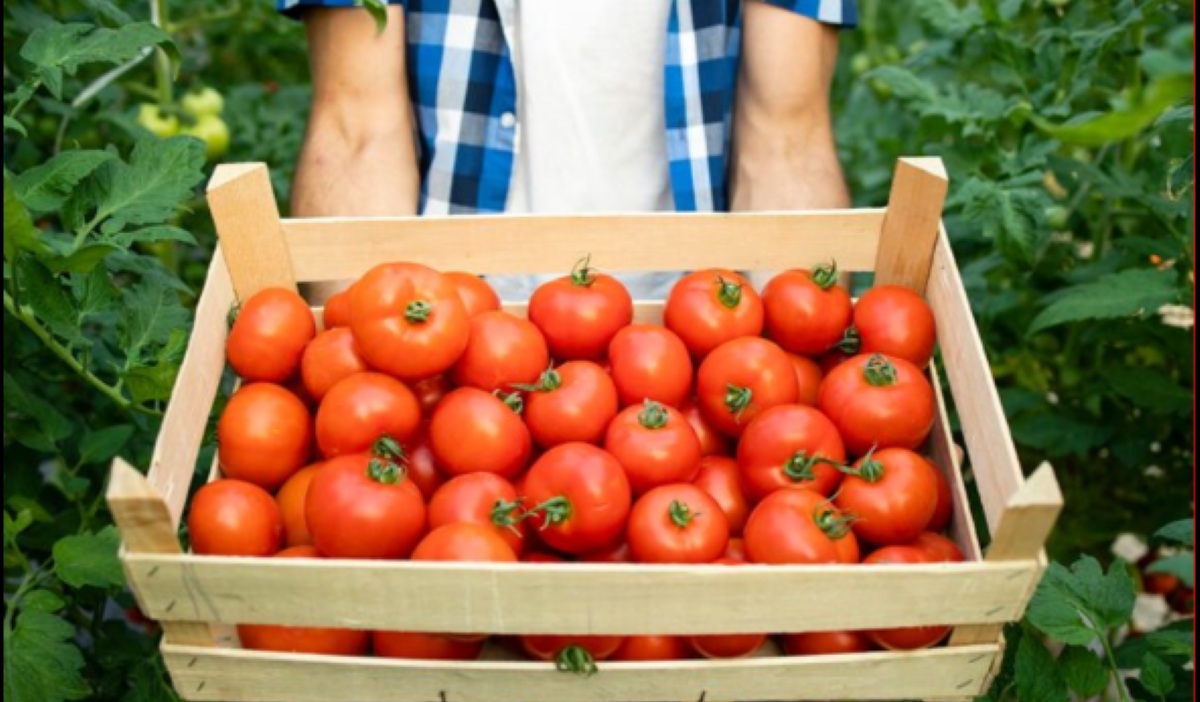
China Leads Global Tomato Output
When people picture tomatoes, they tend to think of Italian pasta sauce, American ketchup or Mexican salsa. Yet the country that grows the most tomatoes is China. According to Media Indonesia, citing Food Republic, China harvests tens of millions of tons of tomatoes every year, leaving other leading producers such as India, Turkey and the United States far behind.
The scale is easy to overlook because China is rarely the first country associated with the crop. Tomatoes are nonetheless a staple of Chinese cooking, used in dishes ranging from stir-fries to soups. But domestic consumption is only part of the picture.
From Field to Paste
Much of the harvest is processed commercially into puree and sauce rather than sold fresh. China exports millions of tons of tomato paste each year, supplying markets across Africa, the Middle East and Europe. For importers and food manufacturers, this is the part of the chain that matters most: the raw material behind a large share of the world's canned sauces and pastes originates in Chinese fields.
Media Indonesia reports that many fast-food chains, ketchup brands and frozen-food producers depend heavily on this supply chain, even when the final product is labeled and packaged elsewhere. Open a can of tomato paste to make chili, or spoon a basic tomato sauce over pasta, and there is a strong chance the tomatoes began their life on a farm in China.
Xinjiang and the Cost Advantage
One reason China holds such a firm grip on the sector is efficiency. Vast farming regions, especially in Xinjiang, are dedicated almost exclusively to tomatoes. Many farms have adopted mechanical harvesting to keep pace with high demand. That scale allows Chinese producers to hold costs down while serving both domestic and international markets.
Climate and sustained agricultural investment also work in China's favor. Not every country can grow tomatoes in comparable volumes year-round, which puts China in a strong position to out-produce its competitors.
What It Means for the Market
None of this implies that tomato products from other countries are of lower quality. But it illustrates how a single country's farming system can quietly shape food supply worldwide. For importers and exporters, the concentration of paste production in one origin is a structural feature of the market: a large share of global processing capacity, and the price signals that come with it, is anchored in China.