Chile forecasts 16% rise in cherry production as new orchards mature
USDA forecasts Chilean cherry production at 727,000 tonnes and exports at 667,000 tonnes in 2026/27. Maturing orchards and higher yields are expanding supply, while heavy dependence on China remains the industry's main commercial risk.
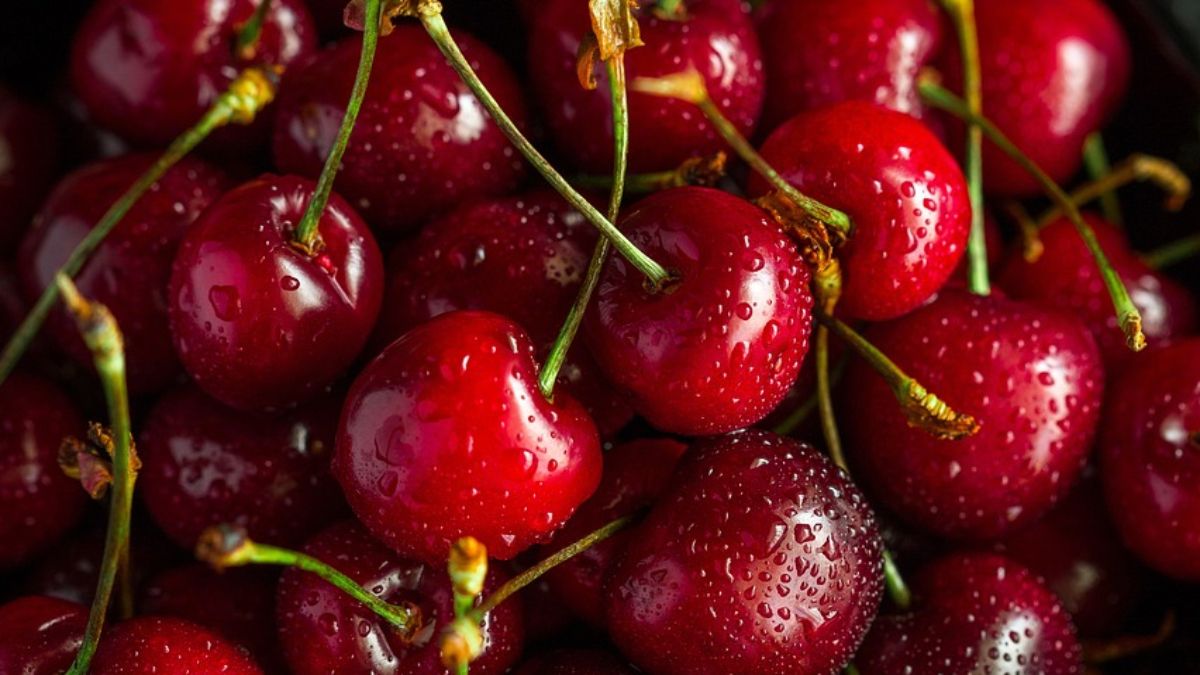
Maturing orchards lift production outlook
Chile's cherry production is forecast to increase by about 16% to 727,000 metric tonnes in the 2026/27 marketing season, according to projections from the US Department of Agriculture's Foreign Agricultural Service reported by LM Neuquén. Exports are expected to rise by about 17% to 667,000 tonnes as orchards planted in recent years move into higher-yielding stages.
Planted area is projected to reach 80,000 hectares, up from 77,766 hectares in 2025/26, while harvested area is estimated at 76,000 hectares. Cherry trees generally begin producing four to five years after planting, meaning much of the additional harvest will come from orchards established between 2021 and 2023 rather than from a fresh surge in acreage.
New planting has slowed sharply after several years of expansion. The industry is shifting attention toward yields from existing orchards, fruit quality and varietal renewal. Santina, Lapins and Regina remain the principal cultivars, while Sweet Aryana, Nimba, Pacific Red, Areko, Sweet Lorenz and Sweet Gabriel are gaining ground. Growers are seeking earlier harvest windows, firmer fruit, higher productivity and better performance during long-distance sea transport.
China remains dominant destination
The export forecast represents a recovery from approximately 569,492 tonnes in 2025/26, when shipments declined about 9% from the previous season. USDA views that reduction mainly as a normalization following the exceptional 2024/25 crop, when exports reached a record 625,208 tonnes, an increase of 51.1% year on year.
That record exposed the commercial risks associated with rapid supply growth. Concentrated arrivals put pressure on prices in China and highlighted the importance of consistent size, firmness and post-harvest condition. USDA warns that export growth could remain moderate relative to Chile's production potential because of market absorption limits, peak-season logistics and China's increasingly demanding quality standards.
China received approximately 494,332 tonnes of Chilean cherries in 2025/26, accounting for about 87% of total exports. Demand is supported by established distribution networks and strong consumption of premium fruit around Lunar New Year. Chile is seeking growth beyond the largest Chinese consumption centres while also developing sales in the United States, South Korea, Taiwan, Vietnam and India.
Quality and logistics shape returns
In the United States, suppliers are testing sales through a network of approximately 2,000 Walmart stores alongside ProChile promotional activity. New logistics channels, including airfreight, are being developed in Vietnam. The industry is also studying faster vessels to shorten transit times to the United States, the European Union and ASEAN markets.
Production remains concentrated in central Chile. The 2025 ODEPA-CIREN fruit survey, published in 2026, recorded 32,801 planted hectares in Maule, or 42.2% of the national total, and 29,935 hectares in O'Higgins, representing 38.5%. Together, the two regions account for more than 80% of Chile's cherry area.
Growers are investing in plastic covers to protect orchards from rain during flowering and harvest, when damage can reduce export quality. Automated packing, post-harvest technology and cold-chain improvements are becoming more important as volumes rise. For producers and exporters, the 2026/27 result will depend not only on harvesting 727,000 tonnes, but on moving larger volumes without repeating the price pressure and logistical congestion seen after the record 2024/25 crop.