Bulgaria to tax third-country fruit and vegetable imports at average recorded prices
Bulgaria has begun assessing customs duties on fruit and vegetables imported from third countries at average recorded market prices instead of declared invoice values, targeting systematic under-invoicing on shipments from Turkey and the Western Balkans. The Consumer Protection Commission has simultaneously launched inspections into the purchase prices retail chains pay Bulgarian growers.
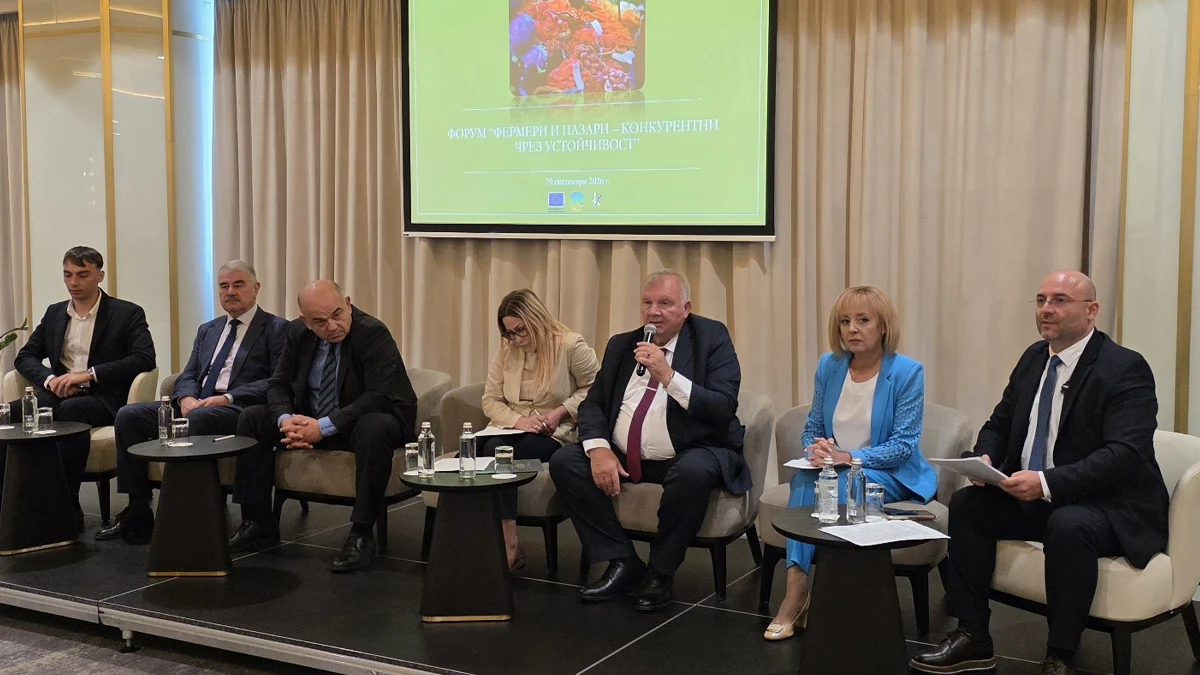
Bulgaria has started assessing customs duties on fruit and vegetables imported from third countries on the basis of average recorded market prices rather than the values written on invoices. The change is intended to stop fictitious price dumping at the border and responds to what officials described as systematic abuse of heavily understated invoices, according to a report by Dunav Most from the forum “Farmers and Markets – Competitive through Sustainability”, organised by the Bulgarian Farmers’ Union in Sofia.
Border valuation shifts away from invoice prices
Deputy Minister of Agriculture and Food Prof. Dr. Ivan Paligorov told the forum that joint meetings had been held with the Customs Agency and the National Revenue Agency on imports of produce from Turkey and the Western Balkans. The institutions established that trucks were crossing the border with documents showing unrealistically low amounts, after which the goods were resold on the domestic market at many times that value.
“Now we have adopted and introduced taxation of the goods at the moment they enter, but not at the price written on the invoice — at the average price that we have on record,” Paligorov said.
The agriculture ministry is also setting up a new directorate to collect market information on volumes and prices for both the domestic and export markets. The state is in talks with retail chains on making supply flows more transparent; according to the ministry, the aim is not price regulation but transparency.
Inspections target purchase prices paid to growers
Maya Manolova, chair of the Consumer Protection Commission, announced the start of urgent inspections to establish the real purchase prices paid for Bulgarian produce. She said that over the past summer purchase prices in retail chains fell sharply: watermelons were bought at 9 euro cents and peppers at 30–60 euro cents, while in stores they were offered at promotional prices of 1.50 euros. At the same time, the chains relied on cheap imports from Albania, Turkey and Egypt.
“With the checks we will carry out — and they will literally start today — the truth will become clear about what the real prices are, at what prices Bulgarian production is bought, so that this becomes publicly known,” Manolova said. She was categorical that attempts to resolve the problem through voluntary agreements had failed, adding that her commitment is to bring prices carrying mark-ups of 80 or 100 percent back towards fair value.
Surplus capacity alongside import dependence
Although Bulgaria has the capacity to produce more food than it consumes, the country continues to rely on imports. Georgi Stoyanov, chair of the Bulgarian Farmers’ Union, said producers need to take an active part in storage, processing and direct sales in order to retain added value on their farms.
Eurostat data cited at the forum point to a significant imbalance in Bulgarian retail pricing relative to the European Union average:
- oils and fats exceed the European average by 142 percent;
- dairy products and eggs by 126 percent;
- sugar confectionery by 116 percent;
- while household purchasing power stands at just 68 percent of the European average.
Market infrastructure and enforcement
Vladimir Ivanov, chair of the State Commission on Commodity Exchanges and Wholesale Markets, said the main structural defect of Bulgarian agriculture remains poor market infrastructure, sustained by the large share of the grey economy. He criticised the outdated Law on Administrative Violations and Penalties, which in his view reflects realities from 50 years ago and turns enforcement into a cumbersome burden that in practice protects offenders.
In a video address to the forum, Elli Tsiforou, secretary general of the European farm organisation Copa-Cogeca, also highlighted the weak negotiating position of producers. “The costs of the transition to sustainability must not be shifted entirely onto farmers,” she said, calling for a more substantial European budget in the next financial framework.