Brazil’s containerized fruit exports rise 20.4% in first half of 2026
Brazil exported 36,552 TEUs of fruit in the first half of 2026, up 20.4% year on year, according to Datamar. Melons and watermelons led shipments, while the Netherlands, Spain and the United Kingdom absorbed about 85% of the containerized volume.
Container shipments reach 36,552 TEUs
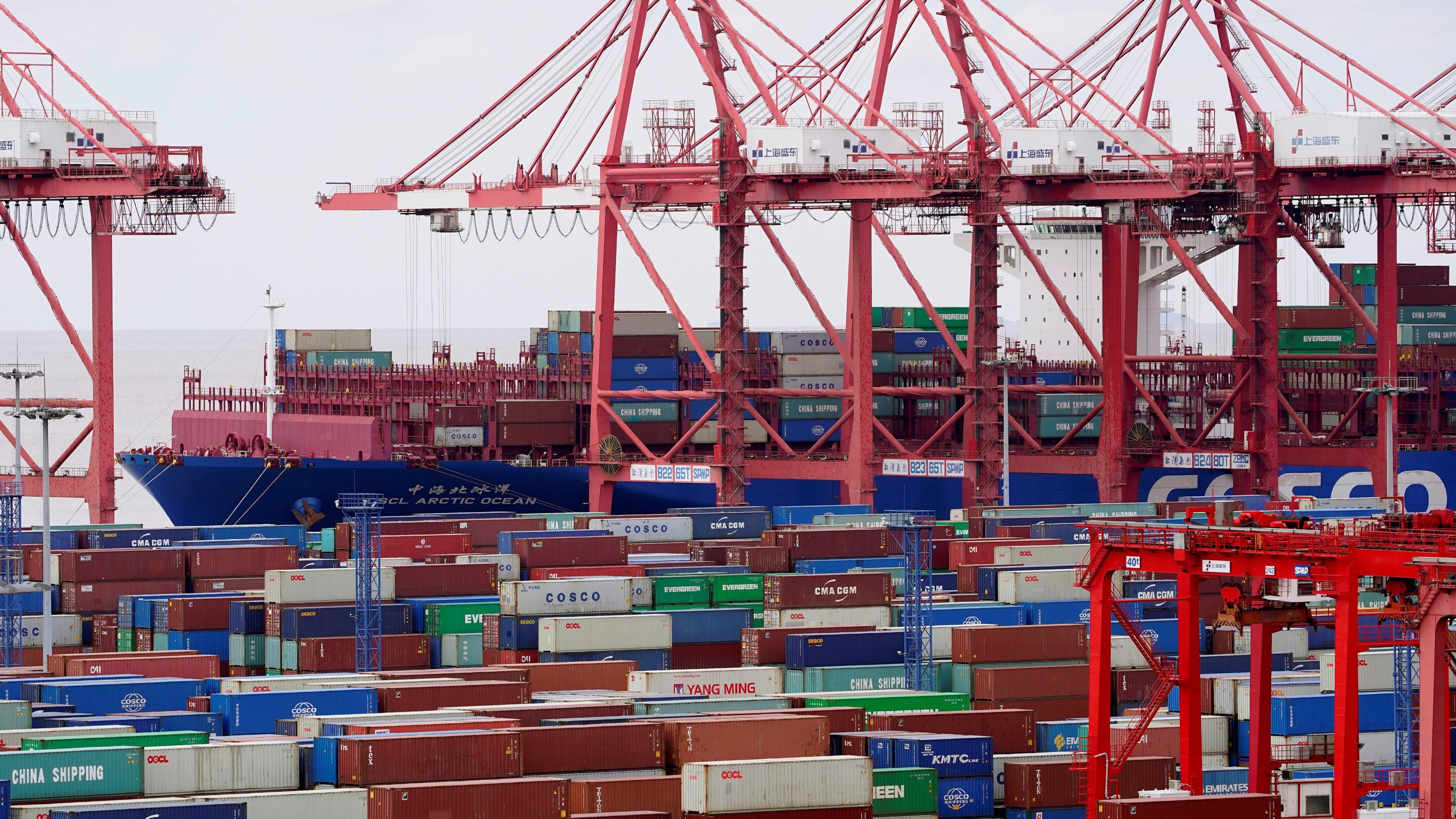
Brazilian fruit exports transported in containers increased 20.4% year on year in the first half of 2026, reaching 36,552 twenty-foot equivalent units, according to Datamar data reported by Notícias Agrícolas and CNN Brasil. The result covers shipments made between January and June and compares with 80,179 TEUs exported during the whole of 2025.
The increase was even stronger when measured by weight across both principal maritime transport modes. Brazil shipped 498,915 tonnes of fruit in containers and conventional refrigerated vessels during the first six months of 2026, a 29.2% increase from the same period of 2025. Of this total, 48,846 tonnes were carried aboard conventional reefer ships.
Datamar chief executive Andrew Lorimer said the company’s provisional figures were consistent with official Comex Stat data and indicated that 2026 was heading toward another record year for Brazilian fruit exports. He noted that the first-half result was particularly relevant because a large part of the overseas shipments of several major Brazilian fruits normally takes place during the second half.
Melons, mangoes and citrus lead the cargo mix
Melons and watermelons were the largest containerized category from January through June, accounting for 9,825 TEUs. Mangoes followed closely with 9,399 TEUs, while lemons and limes reached 8,849 TEUs. Together, the three groups represented most of Brazil’s containerized fruit shipments during the period.
The product mix reflects Brazil’s ability to supply overseas buyers when production is seasonally lower in destination markets. Lorimer highlighted the complementary timing of Brazilian and European harvests for products including melon, mango and grape. Brazilian melons, for example, gain space in Europe during the European winter, when Spanish production is much smaller.
Europe accounts for about 85% of shipments
Destination data show a high level of market concentration. The Netherlands received 20,321 TEUs, equivalent to 55.6% of the Brazilian fruit volume captured by Datamar’s DataLiner system. Spain ranked second with 5,499 TEUs and a 15.1% share, followed by the United Kingdom with 5,218 TEUs, or 14.3%.
Combined, those three European markets accounted for approximately 85% of Brazil’s containerized fruit exports in the first half. Europe has long been an important commercial partner for the Brazilian fruit industry, supported by counter-seasonal supply. The concentration also means that demand, port operations and logistics conditions in a small number of European markets have an outsized influence on Brazilian exporters.
Conventional refrigerated ships remain another significant part of the logistics mix. Datamar estimated that reefers handled about 10% of Brazil’s seaborne fruit exports in the first half. Lorimer said the mode had gained importance in recent years, suggesting that the sector’s expansion extends beyond container traffic alone. Datamar expects the first-half pace, combined with seasonally heavier shipments of some fruits later in the year, to support another annual export record in 2026.