Vietnam's wood imports reach $2.15 billion in first seven months of 2026, up 18.2%
Vietnam imported $2.15 billion of wood and wood products in January-July 2026, 18.2% more than in the same period of 2025, according to Customs Department statistics reported by vinanet.vn. The figure averages about $307 million a month and implies a year-earlier base of roughly $1.82 billion. For an industry that processes imported raw material into exported furniture, the import line is an early signal on order books.
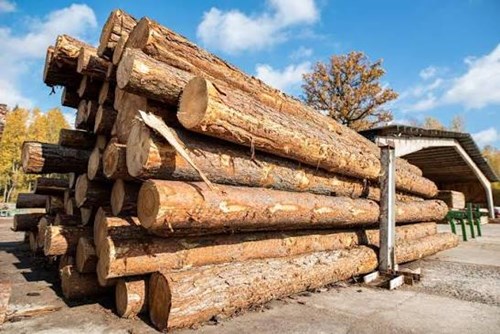
Vietnam imported $2.15 billion of wood and wood products in the first seven months of 2026, up 18.2% from the same period of 2025, according to statistics from the Customs Department reported by vinanet.vn.
The seven-month total works out to an average of about $307 million a month and implies a base of roughly $1.82 billion for January to July 2025. A rise of that size in a raw-material line matters for a processing industry that buys most of its inputs abroad and sells most of its output abroad. It also lands in a year when wood buyers across Asia are managing both freight costs and tighter documentation demands from end markets.
What the customs data cover
The category reported by the Customs Department groups wood and wood products together, a heading that spans logs, sawnwood, veneer, plywood and other panels alongside finished wooden goods. The figures published by vinanet.vn give the seven-month aggregate and the year-on-year change. The available material does not break the total down by supplier country, by species or by individual month, so the composition of the increase cannot be read directly from the release.
That limits how precisely the growth can be decomposed. An 18.2% gain in value can come from larger physical volumes, from higher unit prices, or from a shift in the mix toward more expensive grades and species. Exchange-rate movement against the dollar also changes what the same cargo costs in local currency terms. Without the matching volume series, the split between price and quantity stays open.
Why the import bill tracks the export cycle
Vietnam's wood sector is built on processing. Mills and furniture plants convert imported logs, sawn timber and panels into furniture, flooring and wood components sold to foreign buyers, while domestic plantation material covers part of the fibre supply. Purchases of raw material therefore tend to lead shipments of finished goods by a matter of months, which makes the import line one of the earlier readable indicators of the sector's order book. A double-digit increase sustained across seven months is difficult to explain by inventory policy alone.
- Restocking: plants generally buy ahead of confirmed contracts, so a step-up in imports usually reflects work already booked rather than speculation on future demand.
- Prices: log, sawnwood and panel costs feed straight into import value even when the physical volume is flat.
- Mix: a move toward documented or certified material, or toward higher-grade hardwood, raises the average price per cubic metre without adding a single extra cubic metre.
Compliance and the rest of 2026
Sourcing rules are now embedded in the cost of imported timber. Processors supplying the European Union face deforestation-free due diligence requirements, and shipments to the United States must satisfy legality rules under the Lacey Act. Vietnamese manufacturers have built traceability and documentation systems around those demands, and the associated paperwork influences where mills buy, which suppliers they can use and what they pay for verified material.
The question for the remaining months of 2026 is whether the pace holds. Import growth that keeps running ahead of export growth would compress margins at the processing stage, because higher input costs cannot always be passed to furniture buyers in the same quarter. Growth matched by rising shipments of finished products would instead confirm that demand, not cost inflation, is doing the work. Subsequent monthly customs releases, and the volume data behind them, will settle which of the two is happening.