Vietnam’s timber industry calls for transparent rules in domestic wood market
Vietnam’s wood industry is seeking uniform domestic rules on timber legality, product quality, chemical safety and traceability. Industry representatives say clearer standards, legal-wood distribution centers, public procurement and digital disclosure could strengthen demand for plantation timber and reward compliant processors.
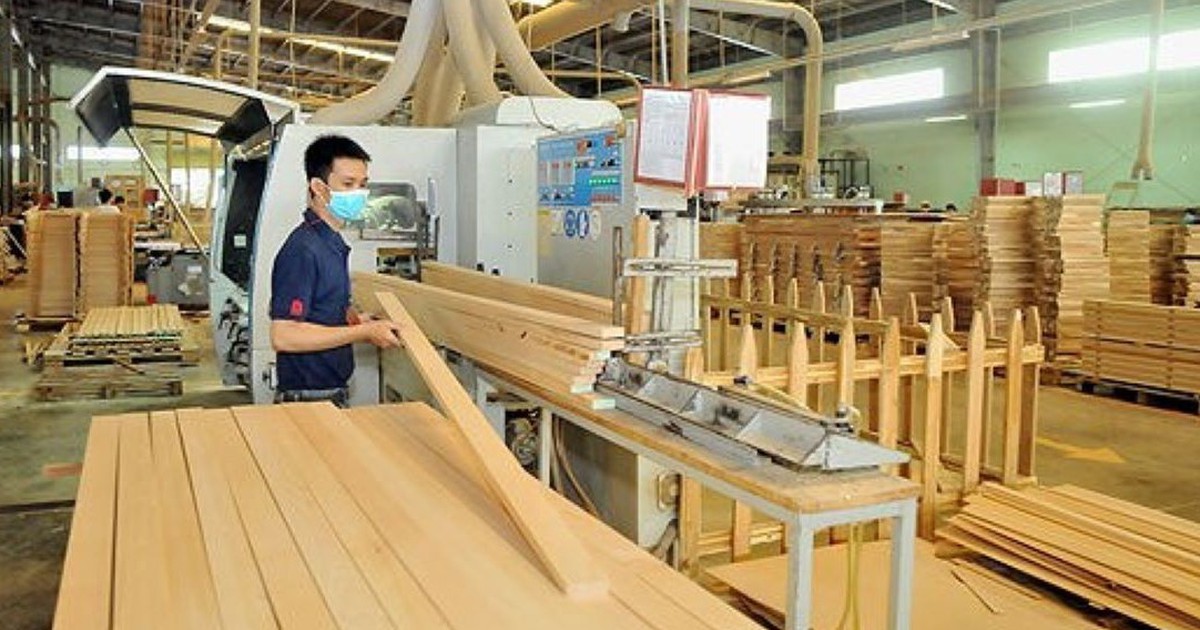
Domestic standards lag behind export requirements
Vietnam’s timber industry is calling for a clearer regulatory framework for its domestic market, where requirements covering raw-material origin, product standards, chemical safety and consumer information have not been standardized consistently. The Government Electronic Newspaper reported that exporters already face relatively strict rules in major overseas markets, including requirements to prove timber legality, traceability and compliance with increasingly demanding quality and environmental standards.
The difference leaves some products sold domestically subject to less consistent controls than exported goods. Ngô Sỹ Hoài, secretary-general of the Vietnam Timber and Forest Product Association, said products of unclear origin or uncontrolled quality can harm consumers and put companies investing in legal materials and product quality at a disadvantage. Nguyễn Hoài Bảo, vice chairman and secretary-general of the Handicraft and Wood Industry Association of Ho Chi Minh City, called for policymakers to define clear objectives and intended results for domestic-market development.
Industry seeks traceability across the supply chain
Industry representatives argue that oversight cannot stop at the origin of raw timber. Transparency must extend through production, processing and distribution to the final consumer. Common criteria are needed for material legality, product quality and user safety, according to the proposals described by the Government Electronic Newspaper.
Tô Xuân Phúc, executive director of Forest Trends Vietnam, said transparent institutions and standards should provide the foundation for subsequent measures. Clear rules would give companies a basis for investment, consumers a way to compare products and regulators tools for inspection and supervision. Some Vietnamese processors already control materials, manufacturing and quality under high standards, creating models that could be expanded across the domestic market.
Legal-wood hubs and public purchasing
At the raw-material stage, Võ Quang Hà, chairman of the Ho Chi Minh City Construction Wood Association, proposed developing distribution centers for legal timber. Such centers could provide processors with stable supplies of verified, higher-quality material. Better connections among growers, distributors and manufacturers would also give consumers more products with identifiable origins while improving the competitive position of compliant businesses.
Public procurement is another proposed source of demand. Wood companies have advanced an initiative to supply school desks and chairs manufactured from legally sourced timber grown in domestic plantations. The segment offers relatively stable demand. Adding requirements for timber origin, material safety, quality and durability to procurement specifications could encourage processors to change production practices, provided preferences comply with Vietnam’s tendering and public-purchasing rules.
A market of more than 100 million consumers
Vũ Hải Bằng, vice chairman of the Vietnam Timber and Forest Product Association, said domestic companies can manufacture school furniture from legal plantation timber while meeting quality and safety requirements. Industry participants argue that standards-based public purchasing could create additional outlets for forest growers, support processing investment and encourage greater use of domestic raw materials.
E-commerce could reinforce these measures by displaying information on origin, materials, technical specifications and quality standards directly to buyers. Nguyễn Minh Đức, deputy secretary-general of the Vietnam E-Commerce Association, said digital platforms can reduce intermediary layers and improve transparency. With more than 100 million consumers, Vietnam’s domestic wood market could become an important growth engine. That potential, however, depends on consistent regulation, responsible sourcing, reliable product information and enforcement across the market—not simply on expanding purchasing power.