USDA forecasts 4.5% decline in India’s 2026-27 rice production on weak monsoon
The USDA expects India’s rice production to fall by about 4.5% in 2026-27 as weak monsoon rainfall threatens crop development. Corn output is also forecast to decline, raising questions about domestic availability and exportable supply.
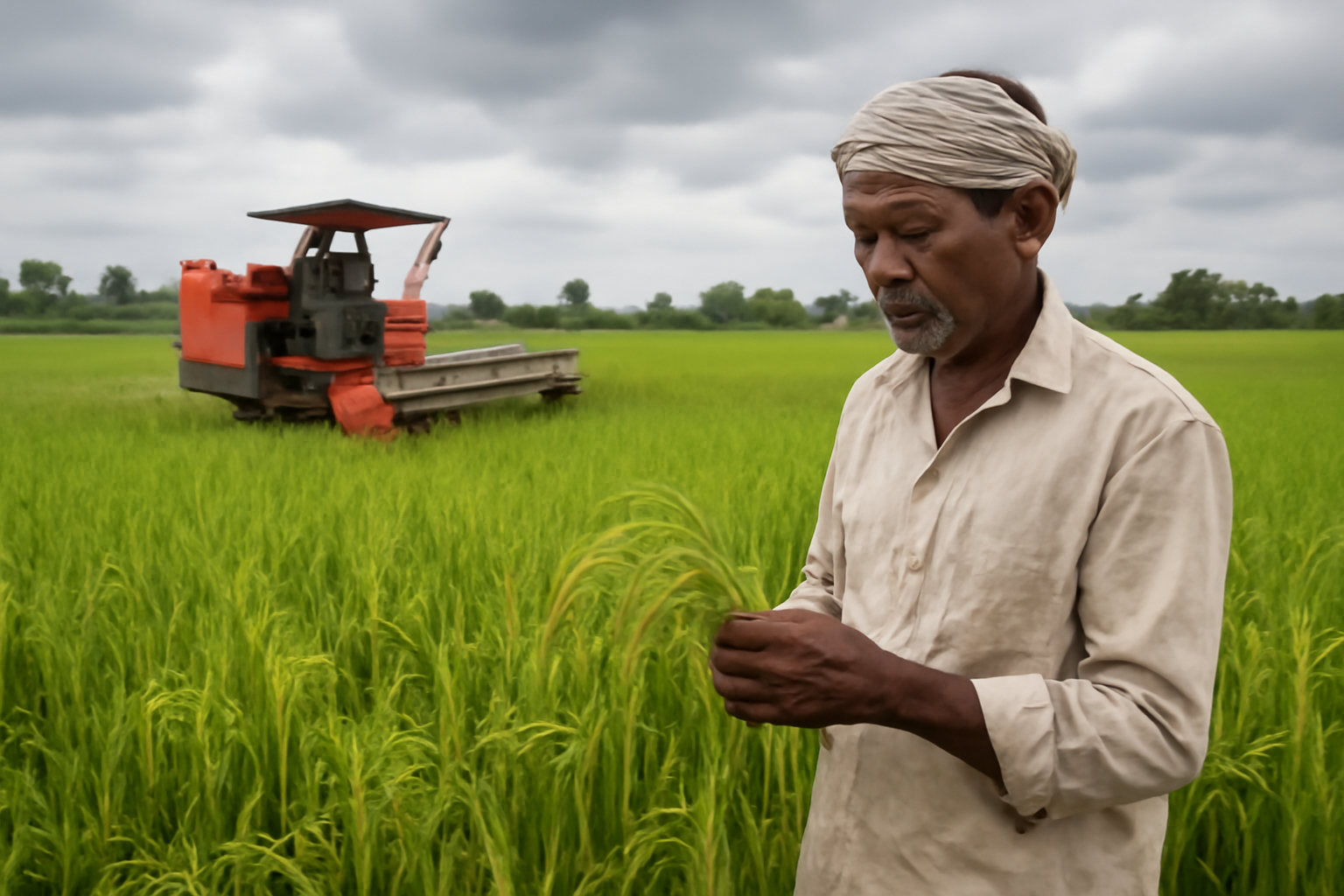
Weak rainfall weighs on the crop outlook
The US Department of Agriculture forecasts that India’s rice production will decline by about 4.5% in the 2026-27 season as weak monsoon rainfall threatens one of the country’s principal crops. Corn production is also expected to fall, although the available report does not provide a percentage estimate for that decline. The forecast puts weather conditions at the center of the outlook for two crops that are important to India’s food supply, livestock-feed sector and agricultural markets.
The projected reduction remains a forecast rather than a final production result. The eventual harvest will depend on rainfall during the remainder of the crop cycle and on how growing conditions affect yields. The available information does not specify expected production volumes, planted area, regional losses or the size of India’s stocks. Those missing figures will be important for determining whether lower output can be absorbed domestically or will require adjustments by consumers, processors and traders.
Domestic availability comes first
A 4.5% fall in rice production would reduce the volume available for distribution compared with the previous season, all else being equal. The market effect, however, will depend on inventories and domestic demand as well as the final harvest. If stocks are sufficient, they could cushion the decline. If the crop deteriorates further, competition for available rice could intensify among households, processors, public procurement programs and exporters. The source material provides no forecast for prices or government policy, so neither a specific price response nor a regulatory decision can yet be assumed.
Corn faces a similar weather risk but with less numerical clarity. Lower production could affect users that depend on the grain as feed or an industrial raw material. Without a quantified forecast, the scale of that pressure cannot yet be measured. Crop assessments that clarify acreage, yields and regional rainfall will therefore be central to judging whether the corn decline is limited or broad enough to alter purchasing decisions.
Exportable supply could tighten
India’s exportable rice supply is the portion remaining after domestic requirements and stock management are covered. A smaller harvest does not automatically translate into an equal reduction in exports, but it narrows the buffer available to the market. Exporters will need to monitor crop development, domestic procurement and inventory use before committing volumes for the 2026-27 season. Importers exposed to Indian supply may also place greater weight on delivery terms and alternative origins if the production outlook weakens further.
For market participants, the key confirmed number is the USDA’s projected 4.5% contraction in rice output. The expected decline in corn adds a second source of pressure, but its magnitude remains unspecified. Until fuller balance-sheet estimates are available, the practical focus will be on monsoon performance, harvest revisions and the relationship between domestic needs and the surplus available for overseas buyers.