US Senate advances bill allowing 100% tariffs on buyers of Russian energy
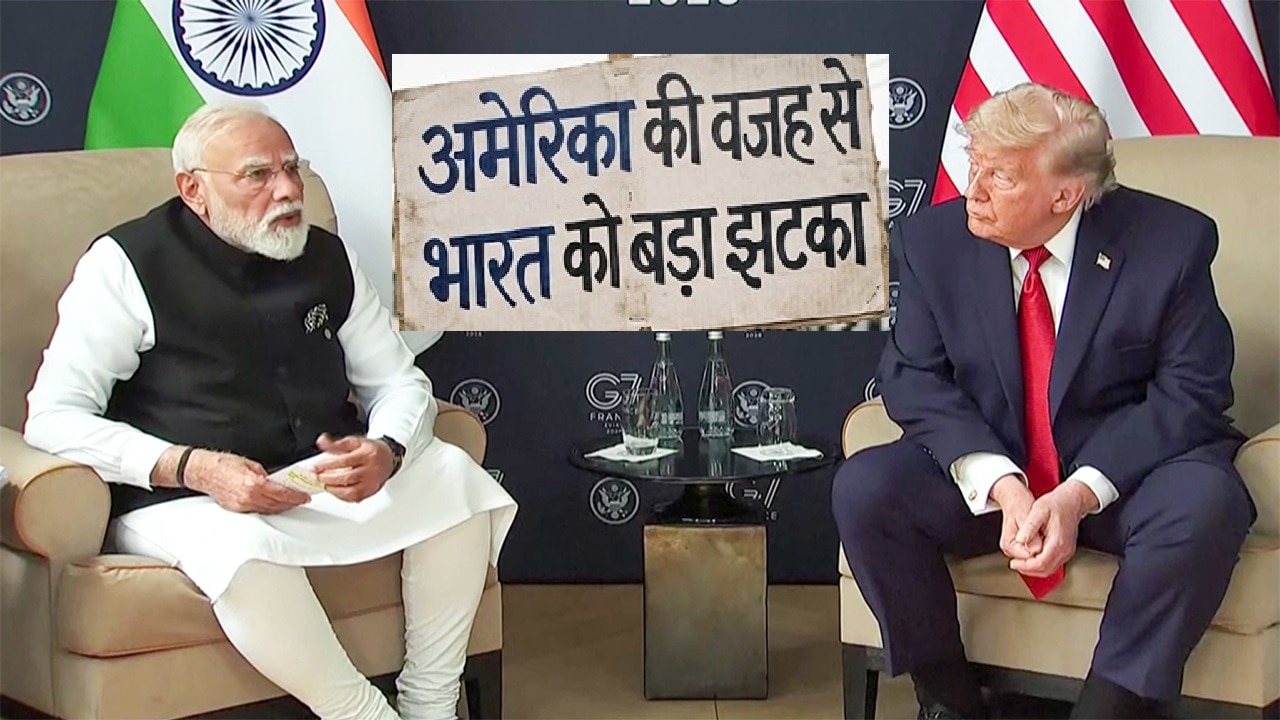
The US Senate has advanced legislation that could impose tariffs of up to 100% on goods from major buyers of Russian energy. India, the second-largest buyer of Russian crude after China, faces potential exposure across pharmaceuticals, textiles, jewelry, machinery and chemicals.
Senate advances secondary sanctions proposal
The US Senate has advanced legislation that would allow tariffs of up to 100% on goods from countries that continue buying Russian oil, gas or uranium. The measure is intended to reduce the energy revenue available to Russia during the war in Ukraine by applying secondary sanctions to its largest customers.
According to Reuters, cited by India.com, the Senate voted 86-12 on July 28, 2026, to approve a cloture motion and move the legislation forward. The proposal has not become law. It would still need to pass the House of Representatives and receive President Donald Trump's signature before taking effect.
The legislation is identified as the Lindsey O. Graham Sanctioning Russia and Iran Act, an updated version of the Sanctioning Russia Act, S.1241. Earlier proposals referred to tariffs of as much as 500%, but the rate in the current measure has been reduced to as much as 100%, India.com reported.
India faces exposure in energy and export markets
India is the world's second-largest buyer of Russian crude oil after China. Its refiners have used discounted Russian supplies to support domestic energy security and meet market requirements. That purchasing position could place India among the five largest Russian energy customers targeted by the proposed US mechanism.
If the bill becomes law and the president applies its provisions, Indian goods entering the United States could face tariffs of up to 100%. India.com identified pharmaceuticals, gems and jewelry, textiles, engineering goods, machinery and chemicals among the sectors most exposed to higher US import costs.
Such a tariff would sharply raise the landed price of affected Indian products. US buyers could reduce orders or shift sourcing, putting pressure on Indian manufacturers, processors and exporters as well as employment linked to those industries. The measure could therefore extend the commercial impact of Russian oil purchases far beyond India's refining sector.
Waivers and negotiations remain decisive
The proposal gives the US president authority to grant waivers. Its practical effect would consequently depend not only on congressional approval but also on presidential decisions about which countries, products and transactions should be covered. The availability of exemptions leaves room for negotiations before tariffs are imposed.
India's Ministry of External Affairs is monitoring the legislation and remains in talks with the United States, according to India.com. The Indian position is that its energy imports reflect national interests, market conditions and energy-security requirements. New Delhi could seek a waiver while defending continued access to competitively priced crude.
The bill introduces uncertainty into US-India trade, but no additional tariff has yet taken effect. The two countries also maintain cooperation in defense, technology and Indo-Pacific security. For companies, the immediate issue is therefore risk planning: Indian exporters and US importers must assess potential exposure while awaiting action by the House and the final decision of the president.