US ready-to-drink alcohol grows as beer and wine consumption declines
US ready-to-drink alcohol volumes grew by an average of 14% a year from 2015 to 2025, while total alcohol consumption fell by 1% annually. Japanese producers Suntory, Asahi and Kirin are expanding in the increasingly competitive $22 billion market.
RTD gains share in a contracting alcohol market
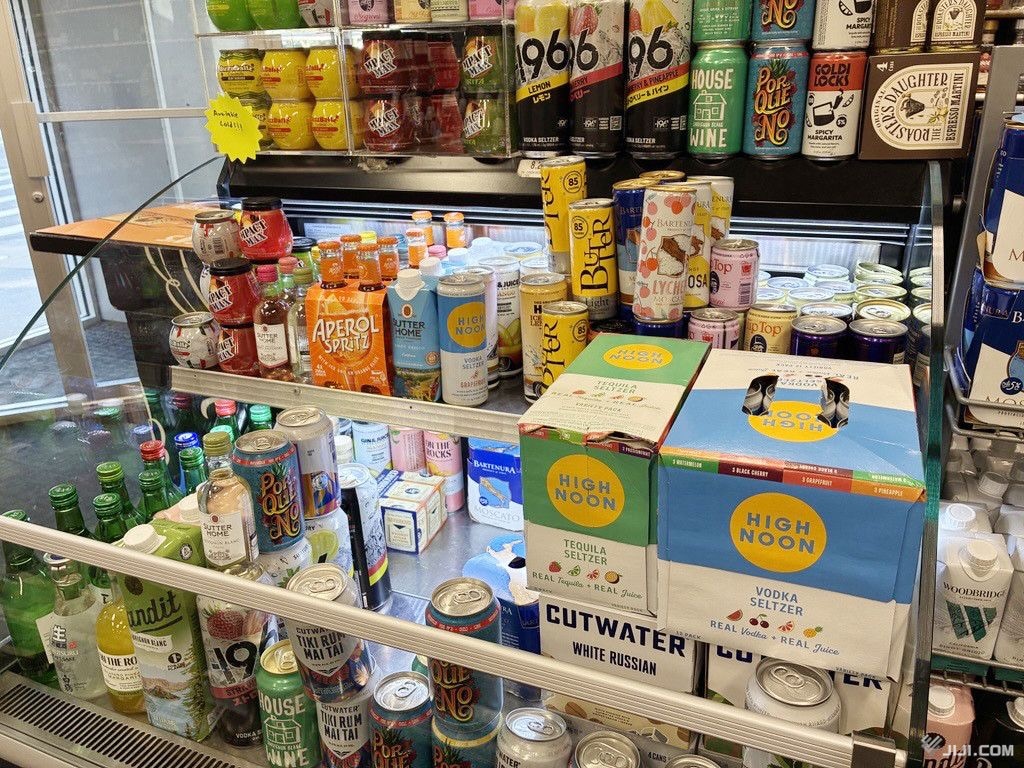
Ready-to-drink alcohol is taking a larger place in the US beverage market as inflation and growing health awareness weigh on overall drinking. According to Japanese news agency Jiji Press, citing British drinks-market researcher IWSR, total US alcohol consumption declined by an average of 1% a year between 2015 and 2025. Beer and wine recorded particularly steep recent declines. RTD volumes, by contrast, grew at an average annual rate of 14% over the same period.
RTD refers to alcoholic beverages sold in cans or other packages that can be consumed immediately after opening. The category generally excludes ordinary canned beer and includes products such as canned cocktails and chuhai-style drinks. Its share of US consumption by number of servings rose from 2% in 2015 to 8% in 2025. The market was worth $22 billion in 2025, equivalent to about ¥3.5 trillion, according to Jiji Press.
Hard seltzer changed consumer expectations
The emergence of hard seltzer provided the main catalyst for US category growth. IWSR President Marten Lodewijks said its less-sweet flavor compared with established RTD products attracted consumers seeking an alternative to beer. The format also gives buyers a pre-mixed, portable product with a clearly defined serving size, fitting demand for convenience and a broader range of flavors.
The growth figures show that RTD is gaining share rather than benefiting from an expanding alcohol market. For beverage companies, that distinction matters. Producers can capture consumers moving away from beer or wine, but a successful RTD portfolio may also take sales from their own established brands. Companies therefore face decisions over production capacity, retail placement and marketing budgets across competing categories.
Japanese groups bring domestic brands to the US
Japanese beverage manufacturers see the US as a source of overseas growth while alcohol consumption continues to shrink in Japan. Suntory Holdings began selling a US version of -196 in selected states in 2023 and expanded distribution across the country in 2025. Asahi Group Holdings introduced a US-adapted version of Zeitaku Shibori in selected areas in December 2025. Kirin Holdings followed with Hyoketsu in selected markets in March 2026.
The three groups are using products already familiar to Japanese consumers, but their US market shares remain small. Establishing distribution will require them to compete for shelf space in liquor stores and other retail channels against a large number of domestic and international labels. Product formulation also has to reflect US preferences rather than simply reproduce Japanese offerings, as Asahi's market-specific version indicates.
Brand proliferation raises the risk that rapid category growth will not translate into success for every entrant. Lodewijks said the United States has an enormous number of RTD brands but few have succeeded. He argued that an association with Japanese food alone would limit Japanese manufacturers and that brands would need links with wider elements of Japanese culture, including film and music. The commercial opportunity is substantial, but access to a $22 billion category will depend on differentiation, sustained distribution and the ability to win consumers already presented with extensive choice.