US lemon market flips from shortage to oversupply as southern hemisphere arrivals surge
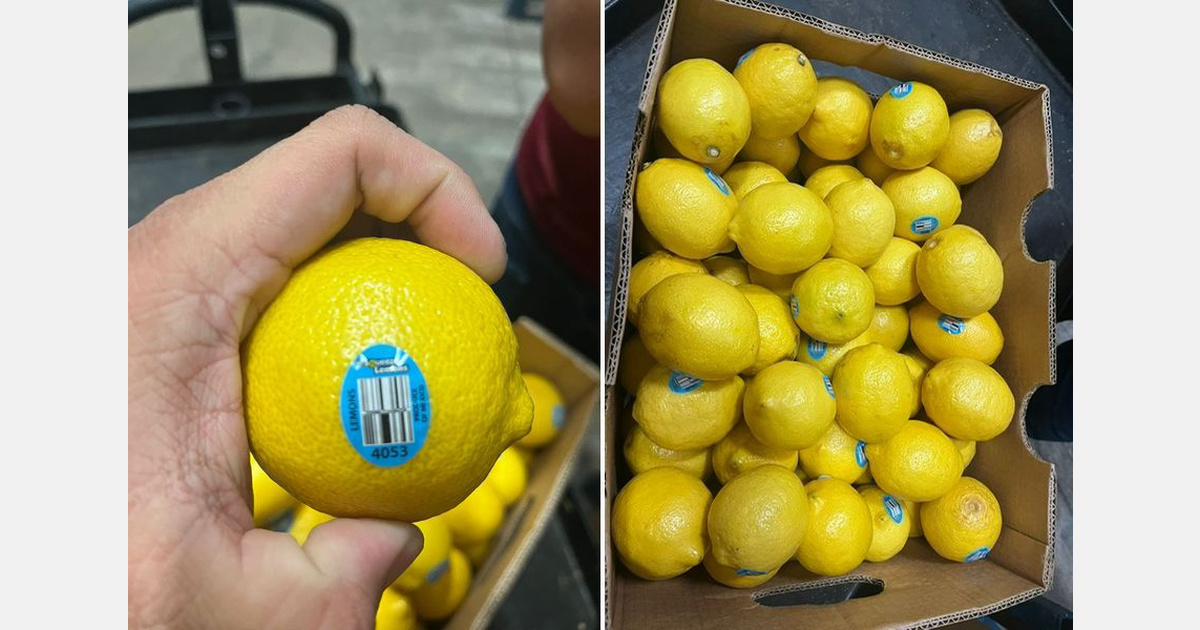
The US lemon market has moved from tight supply and high prices to excess availability within weeks. Larger-than-expected shipments from Argentina and Chile, combined with Mexican supply and weak August demand, have driven inventories higher and pressured spot prices.
Shortage gives way to excess supply
The US lemon market has reversed sharply in the space of several weeks, moving from limited availability and high prices to oversupply and weak producer returns. FreshPlaza reported that supplies were still tight around five to six weeks ago after frost caused a drastic decline in production in Turkey, one of the world’s largest producing countries. Spanish availability was also limited, while the season ended early for California growers.
Ronnie Cohen of Vision Global Group said these conditions had left the global market short of fruit and supported elevated prices. US importers responded by establishing programs with growers in Argentina and Chile to supplement domestic availability. The United States also imports lemons from Mexico at this time of year, and the combined supply from the three countries initially allowed importers to meet demand.
Argentina and Chile lift inventories
The balance changed when additional shipments arrived from Argentina and Chile. According to Cohen, almost twice the volume initially expected entered the market over a short period. He said shippers may have assumed that spot prices would remain high and consequently dispatched substantial extra quantities. The resulting influx moved the market from shortage to oversupply within weeks.
Fresh fruit continues to arrive as inventories accumulate. The timing has intensified the pressure: August is a vacation period for many US households before children return to school, leaving demand below its usual level. The combination of weaker consumption and elevated arrivals has hit the spot market particularly hard. Producer prices are now very low, although Cohen said some retailers continue to maintain high consumer prices, depending partly on the length and structure of their distribution chains.
Recovery may take until autumn
Cohen expects the market to need time to absorb the accumulated fruit. Operators have begun slowing shipments, while delays anticipated for domestic production could eventually help restore balance. He indicated that conditions may not change until the end of September or even the beginning of October. That leaves importers, distributors and growers exposed to continued inventory and price pressure in the intervening period.
Mexico faces a particularly difficult start. After five consecutive challenging seasons, fruit set has improved and growers have a strong crop developing on the trees. The opportunity to recover therefore coincides with an oversupplied US market created mainly by higher Argentine and Chilean volumes. However, Mexico’s season can historically continue through the end of the year, giving its growers a chance to benefit if market conditions strengthen later in the campaign. For the wider supply chain, the immediate issue is whether retail prices adjust enough to stimulate demand while preserving sustainable returns for growers.