Ukraine’s dairy imports rise 71% as illegal EU cheese pressures local plants
Ukraine imported 8.79 thousand tonnes of dairy products in July 2026, up 71% year on year, with cheese accounting for 59% of inbound volume. Industry estimates cited by OBOZ.UA and BIN.ua put illegal supplies at about 30% of the cheese market, intensifying pressure on domestic processors.
Cheese drives a sharp increase in imports
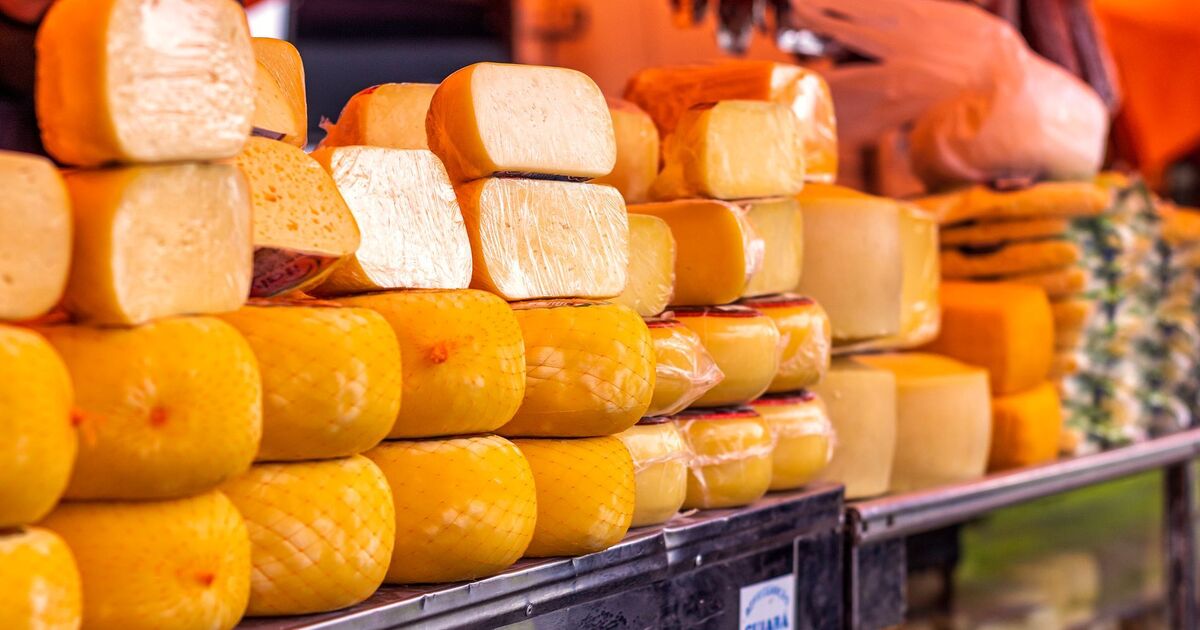
Ukraine imported 8.79 thousand tonnes of dairy products in July 2026, an increase of 71% from July 2025 and 1% from June 2026, according to figures from the Association of Milk Producers reported by OBOZ.UA and BIN.ua. Cheese represented 59% of total dairy imports, with Polish products forming a major part of the category.
During January-July 2026, dairy imports reached 47.96 thousand tonnes worth $219.27 million. Physical volume was 36% higher than in the corresponding period of 2025. The figures show that the July surge was part of a broader expansion in inbound supply rather than an isolated monthly fluctuation.
Illegal supply undercuts domestic processors
OBOZ.UA reported that roughly one-third of imported cheese was brought into Ukraine illegally, while both publications cited an estimate that illegal imports now account for about 30% of the domestic cheese market. The products are said to enter under simplified procedures, including consignments declared as humanitarian aid, allowing suppliers to avoid normal customs requirements.
Around 80% of Ukraine’s food imports arrive by land, making the logistics less exposed to disruption than some other supply routes. Avoiding customs procedures enables illegal products to reach consumers at prices below those of Ukrainian cheese. The same shipments do not undergo the laboratory quality controls applied to formally imported goods, according to OBOZ.UA.
The price difference adds to the difficulties facing Ukrainian cheese plants. OBOZ.UA reported that some processors are operating at only 35% of capacity and risk closure. Domestic dairy prices could rise by approximately 10% in the autumn because of higher costs for raw milk, energy, logistics and other production inputs, further weakening their position against cheaper imported and undeclared products.
Exports rise monthly but remain below 2025
Ukraine exported 12.27 thousand tonnes of dairy products worth $37.40 million in July. Compared with June 2026, volume increased by 6% and revenue by 7%. Against July 2025, however, export volume fell by 2% and earnings declined by 11%, indicating weaker unit returns alongside the year-on-year contraction.
For January-July, exports totaled 76.05 thousand tonnes, down 9% year on year, while revenue fell 18% to $218.27 million. July shipments included 2.88 thousand tonnes of ice cream, 1.38 thousand tonnes of non-concentrated milk and cream, 1.36 thousand tonnes of whey, 1.13 thousand tonnes of cheese, 1.07 thousand tonnes of butter, 719 tonnes of fermented dairy products and 477 tonnes of casein.
Butter recorded the strongest monthly volume increase among the listed categories, rising 66% from June to 1.07 thousand tonnes. Its export revenue increased 55% to $5.36 million. Nevertheless, butter shipments were 20% lower than in July 2025 and related revenue was down 45%. Cheese exports also remained under pressure: volume declined 3% year on year to 1.13 thousand tonnes, while revenue fell 6% to $4.97 million.
Trade figures expose a widening competitive gap
The seven-month import bill of $219.27 million slightly exceeded dairy export revenue of $218.27 million, although export tonnage remained higher. For producers and processors, the central issue is not simply the volume of formal imports but the combination of growing Polish cheese supply, undeclared trade and rising Ukrainian production costs. Enforcing normal customs and laboratory controls would directly affect pricing conditions, while failure to curb illegal flows could leave plants operating at low utilization with limited ability to pass higher costs to consumers.