Ukraine buckwheat prices surge over 40% since March as poor harvest raises import prospect
Buckwheat groats in Ukraine rose from an average of 53 UAH per kilogram in March to 75 UAH in June, an increase of more than 40%, according to molbuk.ua. The publication attributes the surge to a poor harvest and cites experts who expect further gains. With domestic output falling short, Ukraine may need to import buckwheat to cover demand.
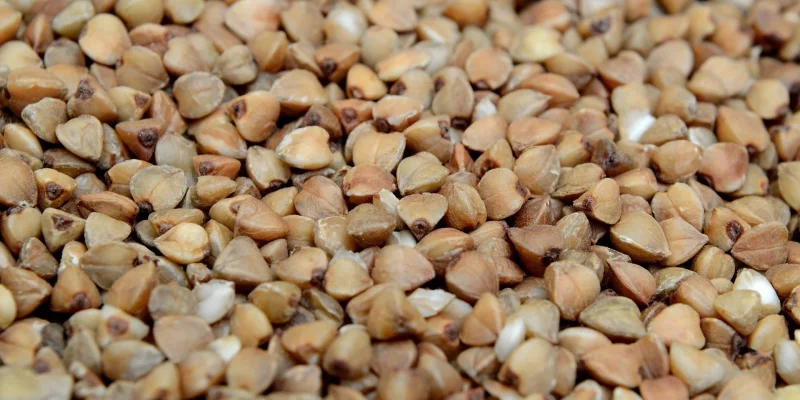
Buckwheat prices surge in Ukraine on weak harvest
The price of buckwheat groats in Ukraine has risen sharply since the start of the year and continues to climb, according to the regional outlet molbuk.ua. In March, a kilogram of the cereal cost an average of 53 UAH. By June, the average had reached 75 UAH — an increase of 22 UAH, or more than 40%, in about three months.
molbuk.ua reports that the upward trend has not run its course. Experts cited by the publication do not rule out that prices will keep rising in the coming months, keeping one of Ukraine's traditional dietary staples on an expensive footing.
A poor harvest at the root
The central reason behind the rally, according to molbuk.ua, is a failed buckwheat harvest. Reduced domestic output has tightened the supply of groats reaching the market, and with demand for the staple steady, thinner availability has pushed retail prices higher. The publication frames the shortfall as severe enough to reshape the balance between what Ukraine grows and what it consumes.
A move of more than 40% in a single quarter is unusually large for a food grain, and it lands on a product that features heavily in everyday Ukrainian diets, making the increase highly visible to consumers.
Imports move into view
The most consequential implication flagged by molbuk.ua is that Ukraine may have to import buckwheat to cover domestic demand. A country that normally supplies its own market would, under that scenario, shift to buying groats from abroad — a change that exposes local prices to international buckwheat quotations, freight costs and the exchange rate of the hryvnia.
Buckwheat is a comparatively thinly traded grain on world markets, and its production is concentrated in a handful of countries. That makes any surge in import demand more likely to move prices, since additional buying is not easily absorbed as it would be on a deep, liquid market.
For the trade, the signal is clear. If the harvest gap is confirmed through the new season, import demand from Ukraine would rise, opening opportunities for foreign suppliers of buckwheat and groats. Domestic processors, by contrast, would face both higher raw-material costs and competition from imported product on their own shelves.
What to watch
The near-term question is whether the 75 UAH per kilogram level marks a plateau or a way station toward higher prices. With molbuk.ua's experts still pointing upward and the harvest weak, the balance of risk sits on the side of further increases rather than relief. For importers, exporters and processors alike, the pace of any move into import territory over the coming months will determine how far Ukrainian buckwheat prices ultimately travel.