Turkey Seeks New Export Markets for Cherries, Figs, Grapes, Pomegranates and Apples
Turkey is targeting additional overseas markets for five major fruit crops: cherries, figs, grapes, pomegranates and apples. Minister İbrahim Yumaklı linked the initiative to a broader policy that treats agriculture and food as matters of national security and long-term national resilience.
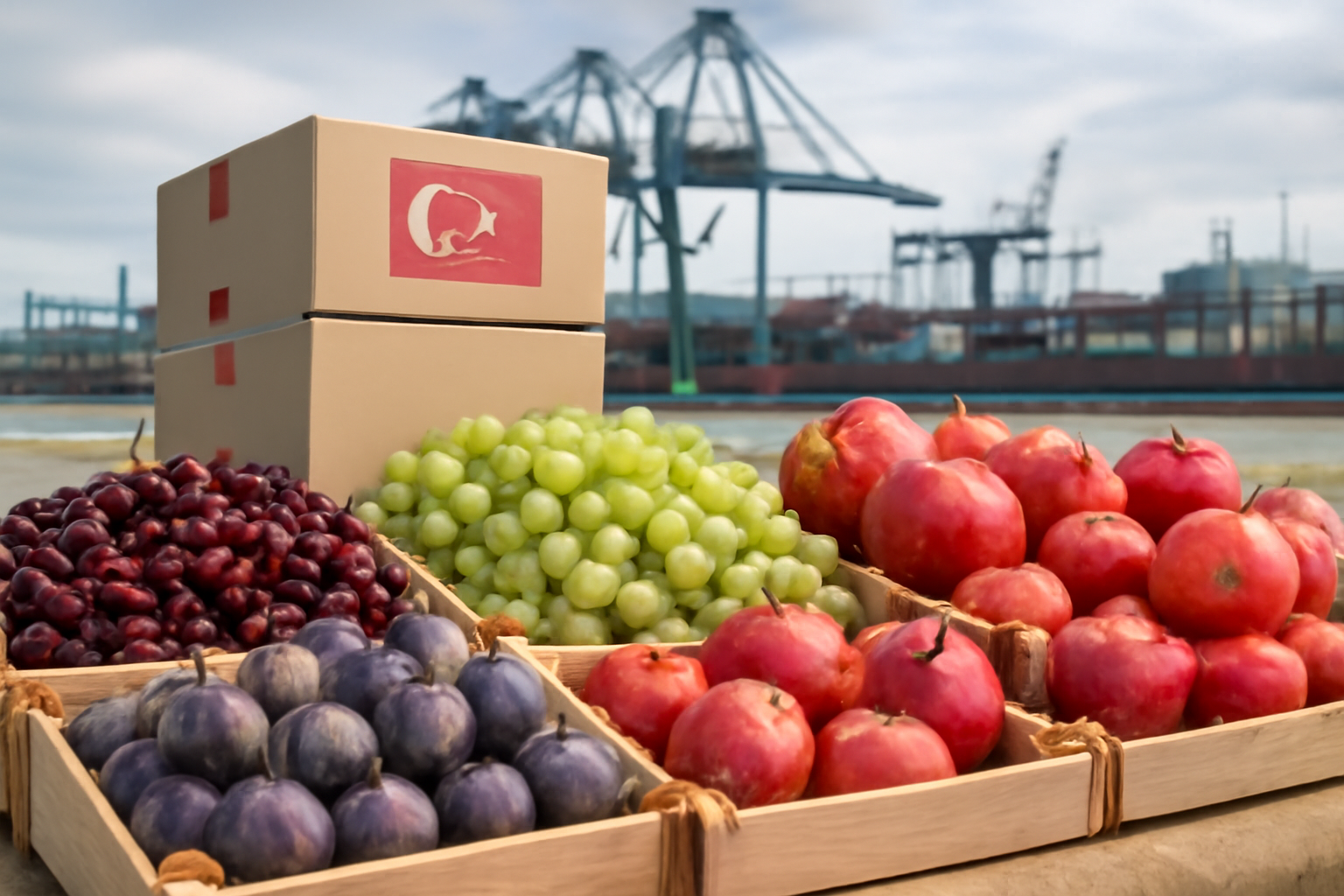
Five fruit categories at the center of the initiative
Turkey is seeking new export markets for cherries, figs, grapes, pomegranates and apples as the government connects agricultural trade with food security and national resilience. Minister İbrahim Yumaklı said agriculture and food should be regarded as matters of national security and the country’s continued viability, according to Manşet Haber.
The initiative covers five commercially important fruit categories rather than a single crop. Its stated direction is market opening: creating additional destinations where Turkish suppliers can sell fresh or processed agricultural output. The available report does not identify the target countries, a timetable for market access, expected export volumes or the government measures that will be used to support exporters.
Market access will determine commercial impact
For growers and exporters, the practical value of the policy will depend on whether it produces access to destinations with sustainable demand. Fruit trade is shaped by crop calendars, shelf life, quality requirements and the ability to move products quickly. New market access can widen the buyer base, but commercial shipments still require suppliers to satisfy the importing country’s plant-health, food-safety, packaging and documentation rules.
The five products also present different marketing conditions. Cherries and grapes are highly perishable and require disciplined handling after harvest. Apples can generally be stored for longer, allowing sellers more flexibility over the timing of sales. Figs and pomegranates have their own quality, maturity and transport requirements. A market-opening strategy therefore cannot be applied identically across all five crops.
Food security policy extends beyond domestic supply
Yumaklı’s statement places export development inside a wider national-security framework. That position suggests the government views agriculture not only as a source of domestic food, but also as an economic sector whose durability depends on production, market access and viable returns for participants. Additional outlets can help producers and packers reduce dependence on a limited group of buyers, particularly when harvest volumes need to be marketed within a short period.
However, the announcement alone does not establish how production will be divided between domestic consumption and overseas sales. It also provides no figures on current output, export revenue, prices or capacity for the named crops. Those details will be necessary to assess the scale of the program and its potential effect on growers, processors, logistics companies and traders.
Implementation details remain the next test
Industry participants will now look for specific country negotiations and product-level protocols. In agricultural trade, a political objective becomes commercially relevant when authorities agree on entry conditions and exporters can meet them at a competitive cost. Information on inspection procedures, approved facilities and logistical routes will therefore matter as much as the announcement of new-market ambitions.
The inclusion of cherries, figs, grapes, pomegranates and apples gives Turkish fruit businesses a clear list of priority products. The commercial outcome, however, will depend on which markets open, when access begins and whether buyers offer prices that cover production, compliance, packing and transport costs. Until those details are published, the initiative defines a strategic direction rather than a measurable export forecast.