Turkey Maintains Global Hazelnut Lead with 65-70% of Production
Turkey supplies about 65-70% of the world’s hazelnuts and exports hazelnuts and related products to around 150 countries. Production spans 706,000 hectares and supports approximately 500,000 farmers, while the EU accounts for an average 75% of exports.
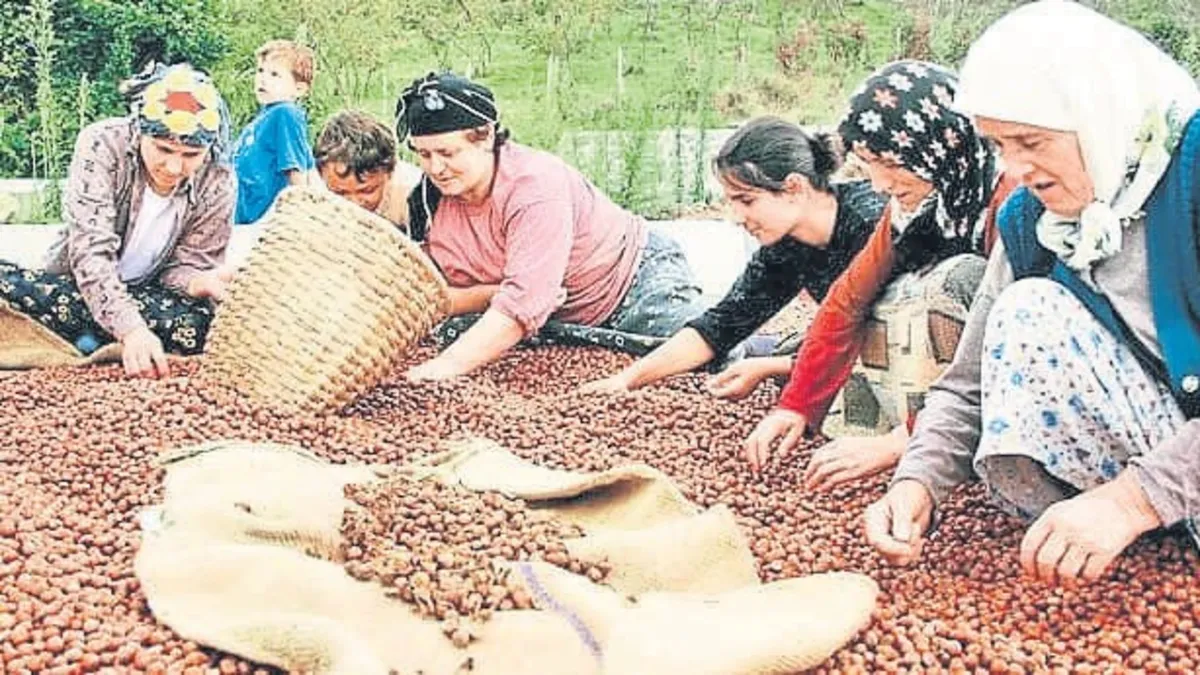
Turkey anchors the global hazelnut market
Turkey remains the world’s largest hazelnut producer and exporter, supplying approximately 65-70% of global production depending on the year, according to Yeni Asır. The scale of the industry gives Turkish growers, processors and exporters a central role in the supply chains of international chocolate, confectionery and snack manufacturers.
About 500,000 farmers cultivate hazelnuts on 706,000 hectares in Turkey’s Black Sea region. Commercial production extends across the coast from Artvin in the east to Kocaeli in the west, including major producing provinces such as Giresun, Ordu, Samsun, Trabzon, Düzce and Sakarya. The region’s climate provides the ecological conditions on which the country’s output and quality reputation depend.
Production policy limits expansion into competing farmland
Hazelnut cultivation is regulated geographically. Production is not permitted on first- and second-class agricultural land, or on third-class land with slopes below 6%, in designated areas. The policy is intended to keep orchards within their appropriate ecology and prevent hazelnuts from replacing crops capable of generating greater value on higher-quality farmland.
Turkey’s leadership nevertheless faces longer-term competitive pressure. Yeni Asır reported that hazelnut acreage increased by 674% in Chile, 356% in Georgia, 287% in Kyrgyzstan and 80% in China between 2002 and 2016. Continued expansion in those origins could reduce Turkey’s global share even if the country retains first place, increasing the importance of productivity, quality and research rather than acreage alone.
Quality segments and varieties shape commercial supply
Turkish hazelnuts are divided commercially into Giresun and Levant quality. Giresun hazelnuts, grown in Giresun and several districts of Trabzon, are distinguished by their taste and high oil content. Levant hazelnuts contain less oil but generally retain higher oil levels and stronger flavor characteristics than hazelnuts produced in other countries, according to the report.
Turkey has 18 registered hazelnut varieties, including three registered during the past 6 years. Okay 28 and Giresun Melezi combine large fruit with late leaf development, while Allahverdi also develops leaves late. Tombul is particularly sought after in export markets and snack consumption for its shape, aroma and quality, although its early leaf development and sensitivity to some diseases are disadvantages. Palaz, Çakıldak, Mincane and Foşa are also widely cultivated.
State support targets income and sustainability
Under the New Hazelnut Strategy introduced in 2009, Turkey has provided area-based income support to growers operating in licensed zones. Farmers who removed orchards from unlicensed areas and switched to alternative crops received compensatory payments. The measures were designed to sustain production, protect profitability and allow prices to form under market supply and demand conditions.
For the 2025 production year, the Agriculture and Forestry Ministry’s new crop-support model provides hazelnut growers with payments of 366 Turkish lira per decare depending on category, or a calculation based on 244 Turkish lira in basic support plus additional components. Previous fuel, fertilizer and area-based programs have been reorganized within the model.
Exports reach around 150 countries
Turkey exports hazelnuts and processed hazelnut products to around 150 countries. An average 75% of shipments goes to EU member states, leaving the sector significantly exposed to demand in one regional market. The industry is consequently seeking to expand sales to alternative destinations and reduce concentration risk.
Modern integrated processing plants allow suppliers to deliver products in specifications requested by industrial buyers, including major international chocolate and confectionery companies. Turkey’s research agenda is also focused on maintaining leadership through higher yield and quality. For market participants, the combination of concentrated production, extensive processing capacity and EU-centered demand means developments in Black Sea orchards will continue to influence availability across the global hazelnut industry.