Tighter supply and weaker harvest outlooks lift European feed ingredient prices
European prices for grains, soybean meal and rapeseed meal rose as Black Sea export disruption, tighter availability and weaker harvest expectations increased supply risks. A stronger euro limited part of the increase in soybean meal, while higher freight costs added pressure to some fiber-rich ingredients.
Black Sea disruption adds a grain risk premium
European feed ingredient prices increased during the week, led by grains, soybean meal and rapeseed meal. Varkensbedrijf reported that sunflower meal, maize DDGS and several fiber-rich ingredients were also under pressure. According to ForFarmers, geopolitical tensions, disappointing harvest expectations and restricted availability are driving the market, although the stronger euro is limiting the increase in European soybean meal prices.
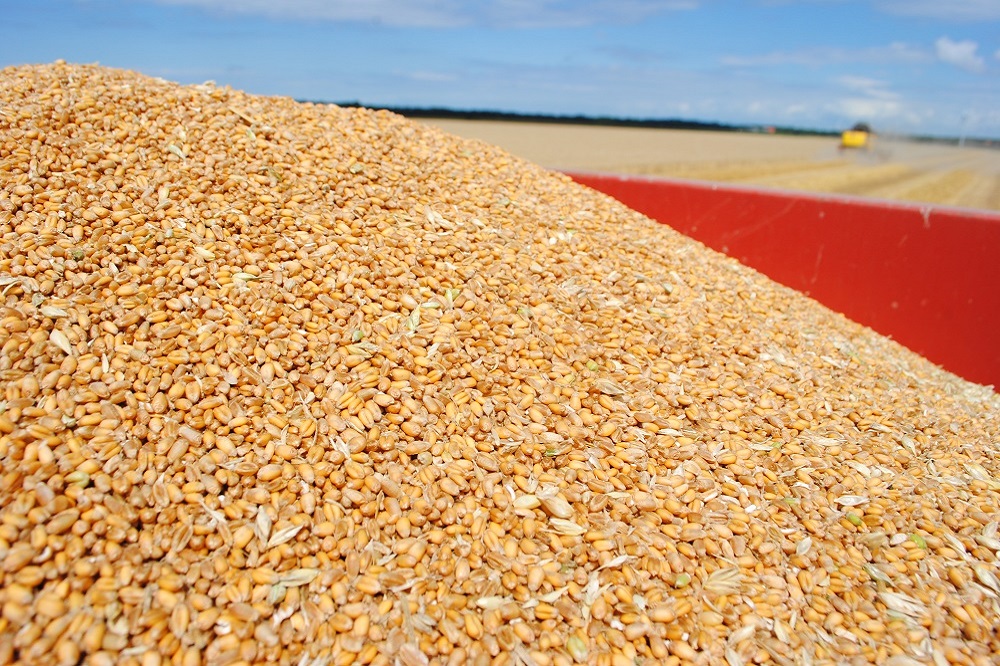
Grain prices extended their advance as attacks on Russian and Ukrainian port facilities disrupted export flows. ForFarmers said Russian wheat exports in August were at their lowest level since 2010, while Ukrainian grain exports risk falling to their lowest level since April 2022. Uncertainty over Black Sea availability is encouraging importers and traders to examine alternative origins, including France, Romania and the Baltic states.
ForFarmers expects a risk premium to remain embedded in grain prices until Black Sea exports normalize. The outlook for the US maize harvest is providing additional support. Results from the Pro Farmer Crop Tour were again below the USDA’s current yield expectation, leaving the grain market sensitive to further price increases.
Soybean and rapeseed meals become more expensive
Nearby soybean meal prices rose by about €15-20 per tonne, while later delivery periods gained around €10 per tonne, according to ForFarmers. Early findings from crop inspections across seven US states pointed to lower soybean yields than previously expected by the USDA, with fewer beans per plant and deteriorating crop conditions.
The US soybean crop is still expected to be large, but a smaller-than-anticipated harvest would reduce the scope to process substantial volumes for biodiesel while also selling additional soybeans to China. Premiums for South American soybeans have risen because of tighter supply. Currency movements provided some relief for European buyers, as the euro-dollar exchange rate increased from 1.1530 to 1.1694.
Rapeseed meal prices also continued to rise because of constrained availability. Water levels improved in recent days but, according to ForFarmers, remained too low to restore normal rapeseed deliveries to crushers. Getting sufficient seed to processing plants is therefore expected to remain difficult over the coming weeks, transmitting the shortage into meal prices.
Weather and freight affect secondary ingredients
Dry and warm weather brought an earlier-than-usual sunflower harvest in France, but expected yields were revised downward. The war is also preventing high-quality Ukrainian sunflower seed from reaching the European market. Maize DDGS prices followed the broader increase in grain and protein ingredient markets.
Wheat middlings became slightly more expensive in line with wheat, although availability remained good. Palm kernel meal prices increased at origin and freight costs rose further, but weak demand from Europe and China prevented the full increase from reaching the European market. Soy hull availability remained tight in the near term, with new supply expected next month.
Beet pulp prices also advanced after hot, dry weather reduced yields and made producers reluctant to sell. The direction of feed ingredient prices in the coming weeks will depend on new harvest data, international trade flows and weather in major producing regions. For livestock producers and compound-feed manufacturers, the combination of grain risk premiums, higher protein costs and logistical constraints raises procurement exposure across several ration components at once.