Tight Arrivals and Crusher Demand Lift Indian Soybean and Mustard Markets
Indian soybean oil and oilseed prices strengthened as market arrivals declined and crushing plants increased demand. Firm overseas markets also supported mustard oil and oilseeds, according to Bhasha.
Reduced arrivals tighten the soybean market
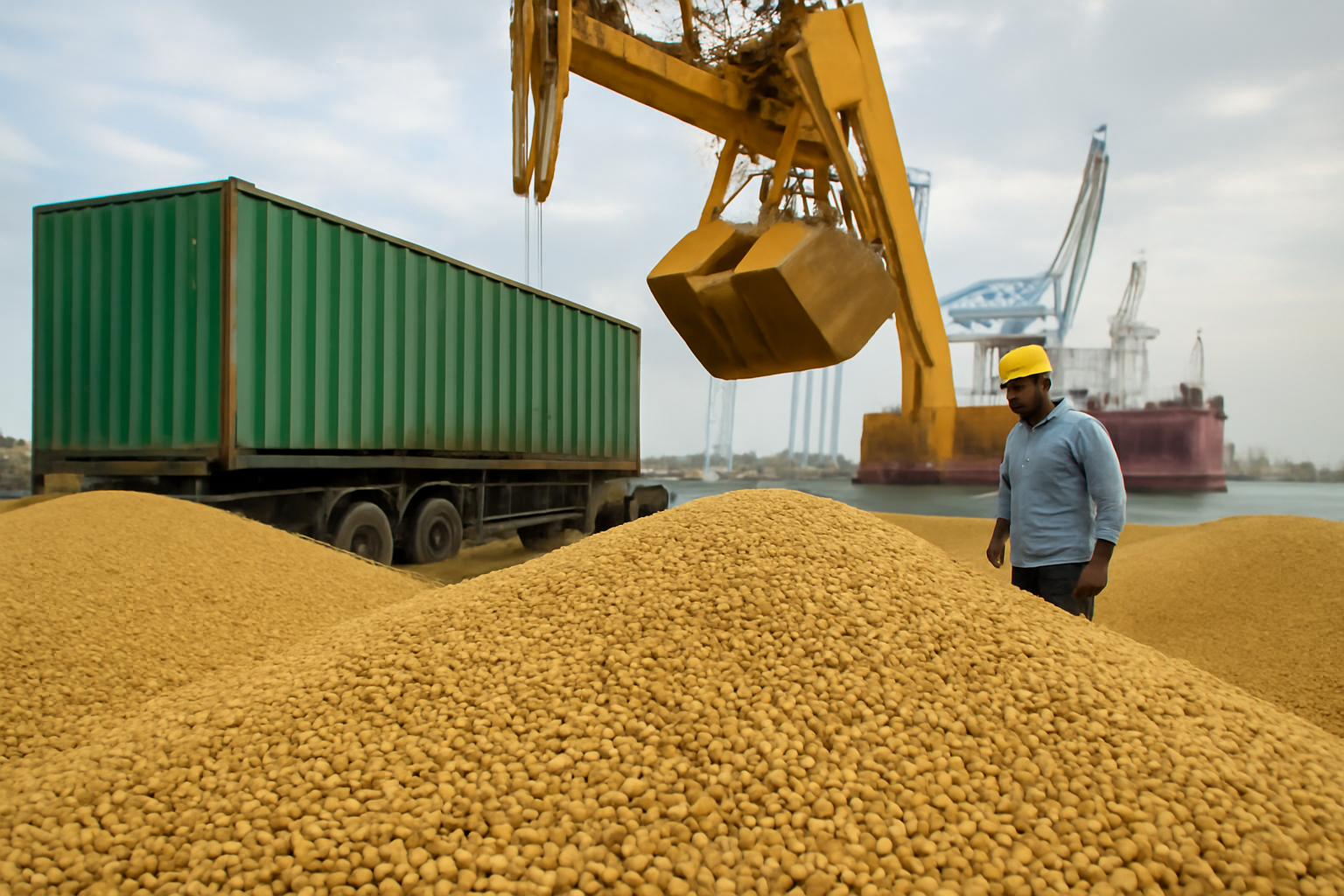
Indian soybean oil and oilseed prices strengthened on Tuesday as lower arrivals at agricultural markets coincided with increased demand from processing plants. Bhasha reported the move from New Delhi on 18 August, identifying the combination of tighter physical availability and stronger plant buying as the principal support for the soybean complex.
The development places mandi arrivals at the centre of near-term price formation. When fewer soybeans reach local markets, crushers have a smaller pool of supplies from which to cover their operating requirements. Stronger purchasing by plants can therefore have a greater effect on prices, particularly when sellers are not bringing enough material to market to match immediate industrial demand.
For processors, the rise signals stronger competition for available soybeans. Plants must balance the need to secure feedstock against the effect of higher seed costs on crushing economics. Producers and other holders of oilseeds, meanwhile, gain greater bargaining power when arrivals remain limited and several buyers are seeking supplies.
Mustard follows support from overseas markets
Mustard oil and oilseeds also strengthened, with Bhasha linking the improvement to firmness in overseas markets. The movement shows that the domestic market was responding to both local supply conditions and the wider direction of edible-oil prices. Although the immediate shortage described in the report concerned soybean arrivals, stronger international prices provided additional support across other parts of the oilseed market.
This connection matters to crushers, refiners and traders because imported edible oils compete with domestically produced oils in India. A firmer overseas market can strengthen the pricing position of local oil and oilseed suppliers, while also changing the relative attractiveness of imported and domestic products. The source material did not provide price levels, shipment volumes or the size of the day’s gains, so the extent of the change cannot be quantified.
Processors watch the durability of plant demand
The next question for market participants is whether reduced arrivals and active processor demand persist. Continued plant buying alongside limited mandi supply would keep competition for soybeans elevated. A recovery in arrivals, by contrast, could give crushers more options and reduce the immediate pressure created by tight availability.
The report offers a clear short-term signal but does not establish whether the move represents a longer trend. It gives no crop estimates, crushing volumes, inventory figures or import data. Producers, processors and traders will therefore need to watch physical arrivals, purchasing activity and overseas edible-oil markets to determine whether the current support broadens or fades.