Tatneft Starts Building Russia’s First 100,000-Tonne DL-Methionine Plant
Tatneft has begun construction of Russia’s first DL-methionine plant in Tatarstan, using technology from China’s Eppen. The 83 billion-ruble facility will have annual capacity of 100,000 tonnes, exceeding Russia’s estimated current market demand.
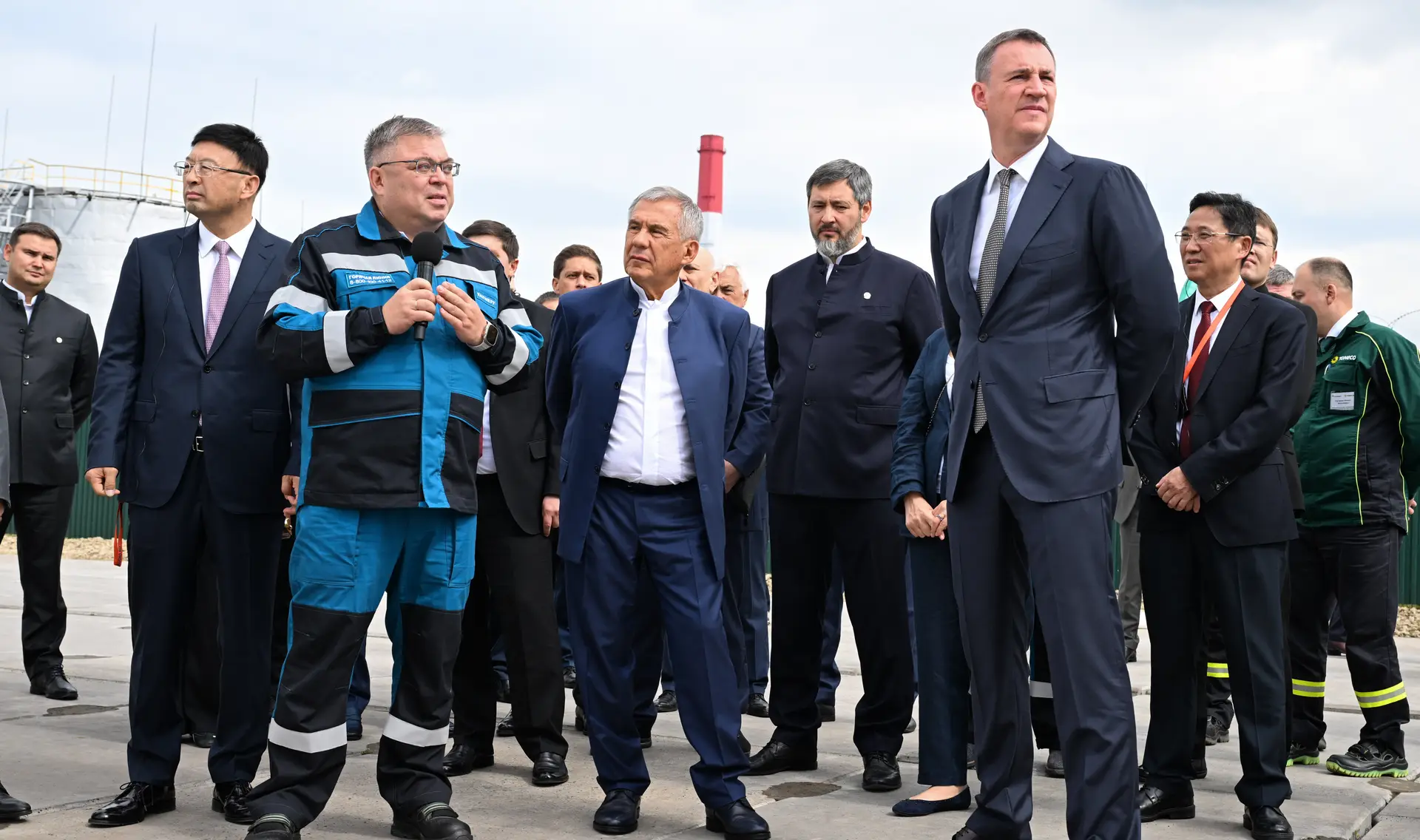
Tatneft launches 83 billion-ruble feed additive project
Tatneft has started construction of what KazanFirst describes as Russia’s first plant dedicated to the production of the feed amino acid DL-methionine. The facility will be located in the Nizhnekamsk district of Tatarstan, within the Green Valley special economic zone, and will use technology supplied by China’s Eppen. Tatarstan leader Rustam Minnikhanov and Russian Deputy Prime Minister Dmitry Patrushev attended the cornerstone ceremony.
The plant is designed to produce 100,000 tonnes of DL-methionine annually, with planned investment of 83 billion rubles. The amino acid is added to feed for poultry, pigs and ruminants. Tatarstan’s agriculture ministry told KazanFirst that it supports growth, weight gain, stress resistance and productivity while improving feed conversion. More efficient use of feed could reduce the grain component of animal diets and ultimately lower meat production costs.
Capacity exceeds estimated domestic demand
AgroInsight chief executive Lyubov Savkina estimated Russia’s methionine market at about 66,000 tonnes. She said the country imported roughly 43,000 tonnes in 2025 and produced another 25,000 tonnes domestically, putting import dependence at 60-65%. According to her assessment, 99% of imported methionine came from China. The planned plant’s nameplate capacity would therefore exceed current estimated Russian consumption, potentially leaving output available for market growth or sales elsewhere in the Commonwealth of Independent States.
Savkina also said Russian methionine prices rose 36% between March and April, from 330 to 450 rubles per kilogram, after disruptions constrained supplies of raw materials to China and created shortages of methionine and other amino acids. A large domestic facility could reduce exposure to interruptions in imported finished product, although its use of Chinese technology means the project will still depend on successful cross-border industrial cooperation.
Chinese technology anchors the project
Eppen founder Yen Xiaoping said the partners intend to combine Chinese technology with Russian resources. Ningxia Eppen Investment Group is the largest shareholder in the Star Lake Biotechnology financial and industrial group. According to data cited by KazanFirst from the China Chemical Fiber Industry Association, Eppen Biotech operates eight subsidiaries worldwide, while the group’s 2024 revenue exceeded 170 billion yuan.
The DL-methionine facility is the first resident of Green Valley’s new Nizhnekamsk site. Russia created the industrial special economic zone in 2025, and its territory was expanded in mid-July 2026 after space at the original Zainsk site was quickly occupied. Residents receive a zero regional profit-tax rate for their first five years, followed by 5% for the next five years and 13.5% thereafter, as well as an exemption from transport tax. The incentives add a favorable cost framework to a project intended to replace imports and develop Russia’s industrial biotechnology base.