Ukrainian sunflower oil passes 100 hryvnias a bottle as retailers cap purchases
The average litre of sunflower oil in Ukraine reached about 107 hryvnias in September, with 850 ml bottles crossing 100 hryvnias in several chains, according to OBOZ.UA. Some supermarkets now limit customers to six bottles of oil or six kilograms of groats. The Ministry of Agrarian Policy says crushing capacity above 20 million tonnes leaves no basis for a physical shortage after the 10 September strike on Bunge's Dnipro plant.
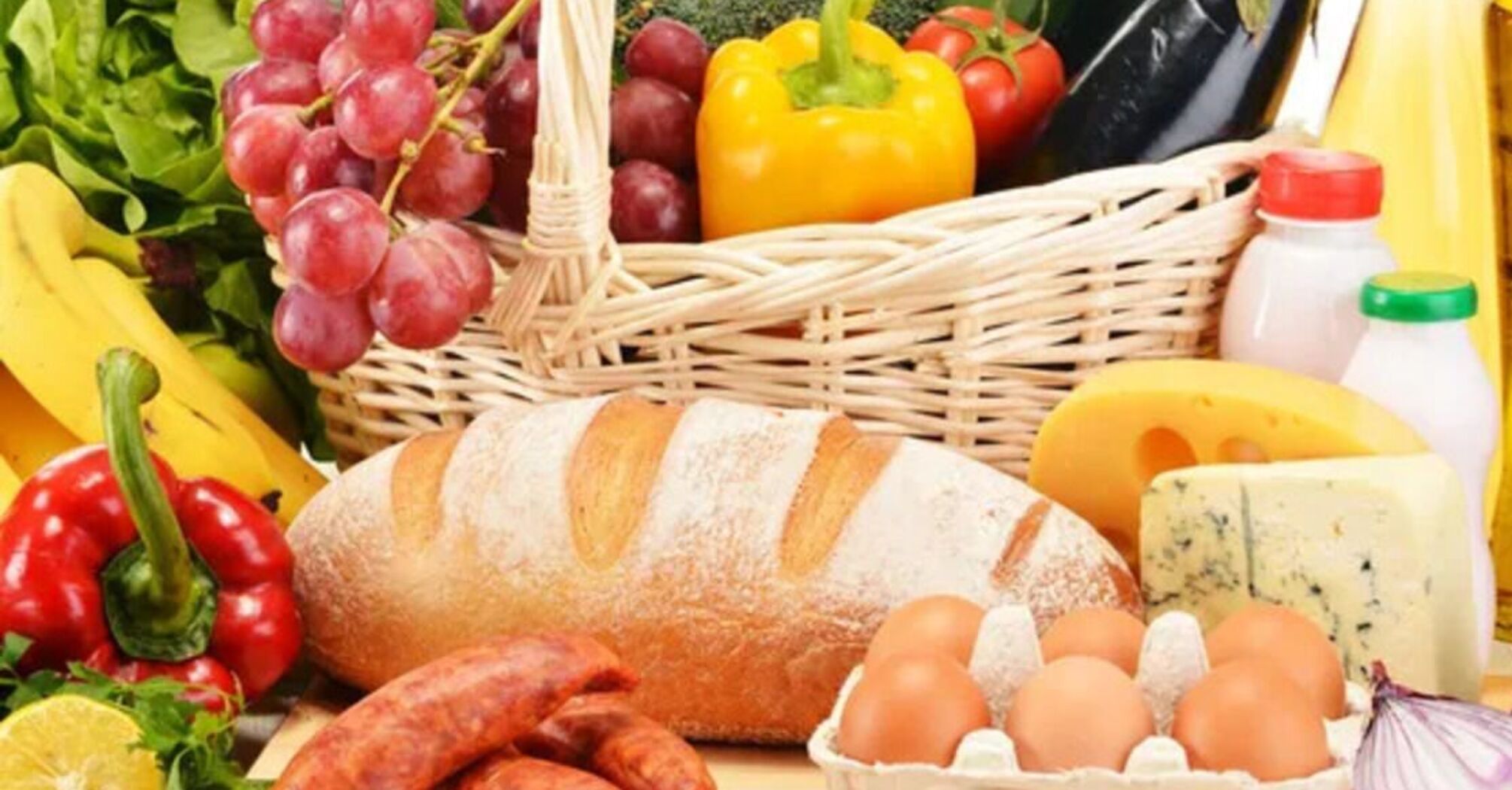
The average retail price of a litre of sunflower oil in Ukraine stood at roughly 107 hryvnias in September, and the standard 850 ml bottle has moved above 100 hryvnias in a number of supermarket chains, according to OBOZ.UA. Several retailers have started limiting how much oil and groats a single shopper may buy, while the Ministry of Agrarian Policy and Food says the country's processing base is far larger than domestic demand requires.
Strike on the Bunge plant in Dnipro
On 10 September Russian forces hit the Bunge facility in Dnipro, the plant behind the “Oleyna” brand, OBOZ.UA reported. Work at the site was temporarily halted. The outlet notes this is not the first Russian strike aimed at the oilseed processing sector, and that agricultural infrastructure has been a recurring target since the start of the full-scale war. The plant forms part of an industry that matters both for the domestic shelf and for Ukraine's agricultural export earnings.
Minister of Agrarian Policy and Food Taras Vysotskyi said damage to a single enterprise should not in itself produce a shortage in stores. The government is not forecasting a deficit of sunflower oil.
Crushing capacity runs ahead of the crop
Ministry figures cited by OBOZ.UA put this year's oilseed harvest at about 20 million tonnes, of which roughly 16 million tonnes are earmarked for processing. Total installed crushing capacity at Ukrainian plants exceeds 20 million tonnes, leaving headroom even against the full planned crush. “As of today, capacity is sufficient,” Vysotskyi said.
The ministry also estimates that Ukrainian sunflower oil output is around ten times domestic consumption, which is why officials see no grounds for the product physically disappearing from shelves for want of raw material. Vysotskyi went further, saying current market conditions could under certain circumstances lead to sunflower oil becoming cheaper for consumers rather than dearer.
Prices and purchase limits
Market data cited by OBOZ.UA put the consumer price index for sunflower oil at 101.86% in September 2026, meaning the product rose 1.86% over the month. The publication's own price check on 15 September 2026 found refined 850 ml “Oleyna” selling for about 90 hryvnias in some stores and above 110 hryvnias in others, with the spread driven by the chain and by promotional offers.
According to news.uaportal.com, supermarkets have introduced caps of no more than six bottles of oil or six kilograms of groats per customer. The Ministry of Agrarian Policy regards such measures as premature where they are presented as a response to scarcity, and warns they can produce the opposite effect: shoppers who see a limit may conclude the product is about to run out and buy the maximum allowed, converting a logistics problem into panic buying.
Logistics, not supply, is the binding constraint
The ministry attributes shelf gaps and price increases to distribution rather than production. Russian attacks have disrupted the established model in which goods moved first to large central warehouses and were then allocated to stores. Retailers and processors are shifting to decentralised logistics — delivery straight from producer to outlet, or through networks of smaller depots. That reduces the risk of losing large stocks in one place but requires more vehicles, drivers, routes and time, and those costs feed into final prices.
On the underlying balances, news.uaportal.com reports the ministry expects more than 24 million tonnes of wheat this year against domestic needs of about 6 million tonnes, of which roughly 3–3.5 million tonnes go to food use. Ukraine produces wheat, barley, oat, buckwheat and corn groats in volumes exceeding domestic consumption, with rice the exception as a mainly imported crop. Poultry output runs at about 1.4 million tonnes a year against domestic consumption of roughly 908 thousand tonnes, with some 550 thousand tonnes exported. The country is self-sufficient in pork and eggs, and dairy is close to balance, importing part of its cheese while exporting dry and condensed milk and butter.
Import dependence is concentrated in bananas, citrus, coffee and cocoa beans, in marine and ocean fish after industrial catch in the Black and Azov seas effectively ceased, and in salt, following the occupation of the territory of the Artemsil enterprise. The ministry identifies fresh fruit and vegetables and chilled meat and fish as the categories most exposed to short-term local gaps, since they cannot be stockpiled for months and occupy significant volume in transport.