Südzucker expects European sugar prices to rebound as beet supply tightens
Südzucker expects European sugar prices to rise after the EU average fell to €499 per tonne in July. Drought, low rainfall, a smaller beet harvest and competition from bioethanol production are tightening supply.
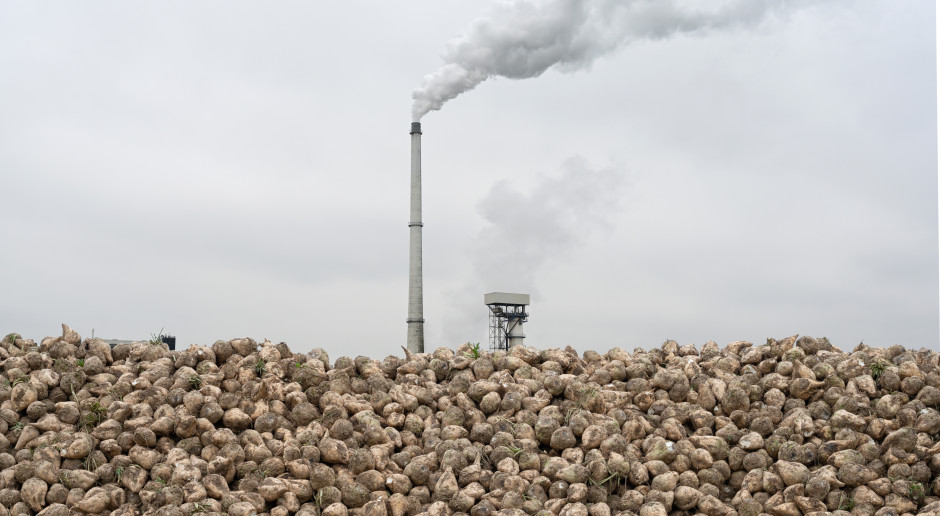
European sugar supply faces pressure
Südzucker, Europe’s largest sugar producer, expects sugar prices to recover after a prolonged decline, as unfavorable weather reduces beet availability and bioethanol production absorbs part of the crop. Chief Executive Niels Pörksen told Reuters that drought and limited rainfall were affecting sugar beet fields, reducing the volume of raw material available to mills.
The company estimates that the current European sugar beet harvest will be approximately 1 million tonnes smaller. Eurostat data show that the European Union harvested 121.6 million tonnes of sugar beet in 2024, providing a reference point for the scale of the expected contraction.
Lower beet output does not translate mechanically into an identical reduction in sugar production, because yields and sugar content also affect factory output. Nevertheless, fewer available beets increase competition for feedstock and can raise pressure on processors, growers and industrial sugar buyers.
Bioethanol competes for agricultural feedstock
Supply is also being affected by the diversion of part of agricultural production toward bioethanol rather than crystal sugar. Pörksen said the global market was not flooded with sugar and described the European market as being in deficit. On that basis, he said he saw no scenario other than further price increases.
The forecast follows a sharp weakening in European sugar prices. European Commission data put the average EU white sugar price at €499 per tonne in July, the lowest level since August 2022. That decline has reduced sugar revenue for producers, but it may also make further production cuts less attractive if growers and processors can obtain better returns from alternative uses.
For industrial buyers, the key issue is whether the smaller beet harvest and biofuel demand tighten physical availability enough to reverse the recent price trend. Food manufacturers and traders may face higher replacement costs if the deficit identified by Südzucker persists. Producers, meanwhile, could benefit from stronger sugar prices, although lower crop volumes would limit the amount available for sale.
Biofuels support Südzucker’s earnings
Südzucker reported first-half revenue of €4.19 billion, broadly unchanged from the previous year. The company said strong demand for biofuels partly offset lower revenue from sugar and starch products, illustrating how its diversified operations can cushion weakness in the sugar segment.
The group had already raised its full-year earnings outlook in September, citing growing biofuel sales. In the first quarter, group revenue was €2 billion, compared with €2.1 billion a year earlier.
The outlook now links two sides of Südzucker’s portfolio. Strong biofuel demand supports group performance, but using more agricultural feedstock for ethanol can restrict sugar supply. For European market participants, weather conditions, beet volumes and the allocation of raw material between food and fuel will therefore determine whether the July price level marks the bottom of the cycle.