Sicilian Primofiore Lemon Volumes Rise as Price Pressure Builds
Sicilian cooperative CAI expects higher Primofiore lemon volumes to intensify competition and put pressure on prices during the season running from mid-October to May or June. The cooperative is expanding efficiency and pursuing earlier harvests, while exports account for around 40% of sales.
Higher supply changes the market outlook
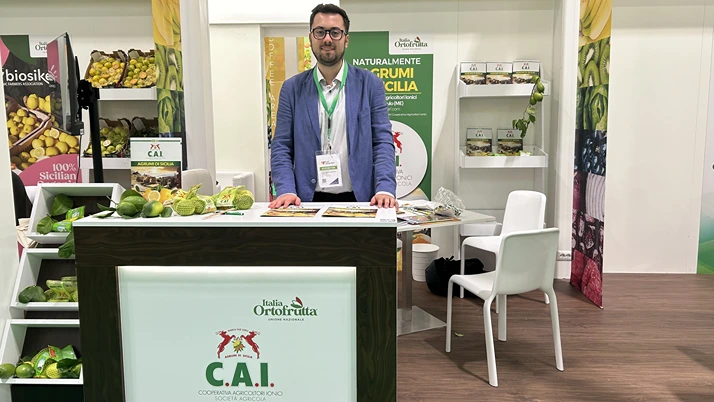
CAI, the Cooperativa Agricoltori Ionici based in Furci Siculo in Messina province, is entering its main Primofiore lemon campaign with higher expected volumes and a more competitive pricing environment. The season runs approximately from mid-October until May or June and represents the cooperative’s most important period in terms of both volume and market demand.
Antonio Lo Conte, CAI’s management control manager, told myfruit.it that greater availability would bring more competition and, in his view, a struggle over prices. That marks a change from the previous Primofiore campaign, when constrained supplies supported the market.
According to myfruit.it, the last campaign benefited from qualitative and quantitative difficulties affecting competing supplies from Spain and Turkey. CAI also had less fruit available, but the broader shortage helped sustain prices. The stronger market did not remove pressure on margins, however, because production, transport and packaging costs also increased.
The cooperative is now completing its Verdello lemon campaign. Verdello volumes declined, although the reduction was less severe than two years earlier, when about 50% of the summer fruit fell from trees, Lo Conte said. Attention is consequently shifting to Primofiore, which carries greater commercial weight for CAI and will enter a market with more fruit available.
Capacity expansion supports efficiency strategy
CAI has about 150 members, with lemon production concentrated mainly in the province of Syracuse. The cooperative also handles blond oranges, particularly Navel varieties, and includes some growers in Messina province, where its warehouse is located.
The organization has been transforming both its processing capacity and its production base. In 2023, CAI doubled its warehouse area from 6,000 to 12,000 square metres. It also increased the number of packaging machines from 12 to 24 and installed a new line dedicated to handling individual fruit.
At farm level, the number of businesses supplying the cooperative is declining, but their average size is increasing, according to Lo Conte. He also described the remaining producers as adopting a more entrepreneurial approach. Older orchards are being replaced with denser and more efficient planting systems, while growers are changing rootstocks and working to bring harvesting forward.
The aim is to respond to changing market requirements and strengthen CAI’s position against increasingly aggressive competition. Spain is the cooperative’s principal competitor in both foreign markets and Italy, making production timing, packing efficiency and product positioning important as larger volumes put pressure on prices.
Exports account for about 40% of sales
Exports currently represent around 40% of CAI’s commercial activity. Germany is its largest foreign market, particularly for organic produce. France follows and is especially important for the cooperative’s orange sales, while Switzerland and the Netherlands are also established destinations.
CAI began some sales to Slovenia, Croatia and the Czech Republic during the previous year. Demand in those newer markets is weighted toward conventionally grown produce rather than organic fruit. The mix gives the cooperative access to several European markets, but it also exposes the business directly to competition from Spanish citrus suppliers.
CAI attended Fruit Attraction in Madrid within the Italian Trade Agency exhibition area as it prepared for the Primofiore season. Lo Conte described the event as heavily attended and rich in business meetings. Although Spain competes directly with the cooperative in lemons and oranges, CAI views the Madrid fair as increasingly important because of its growing international reach.
The new campaign will test whether CAI’s larger warehouse, expanded packing capacity and earlier harvesting strategy can offset the effects of greater supply. With costs remaining an important consideration and price competition expected to intensify, operational efficiency will be central to protecting returns for the cooperative and its growers.