Disputed import permits leave Senegal sugar producer with 35,000 tonnes unsold
Senegal’s CSS is holding 35,000 tonnes of unsold sugar as authorized imports weigh on the domestic market. The resulting cash constraint threatens a planned production expansion to 220,000 tonnes by 2030.
Imported sugar meets unexhausted local stocks
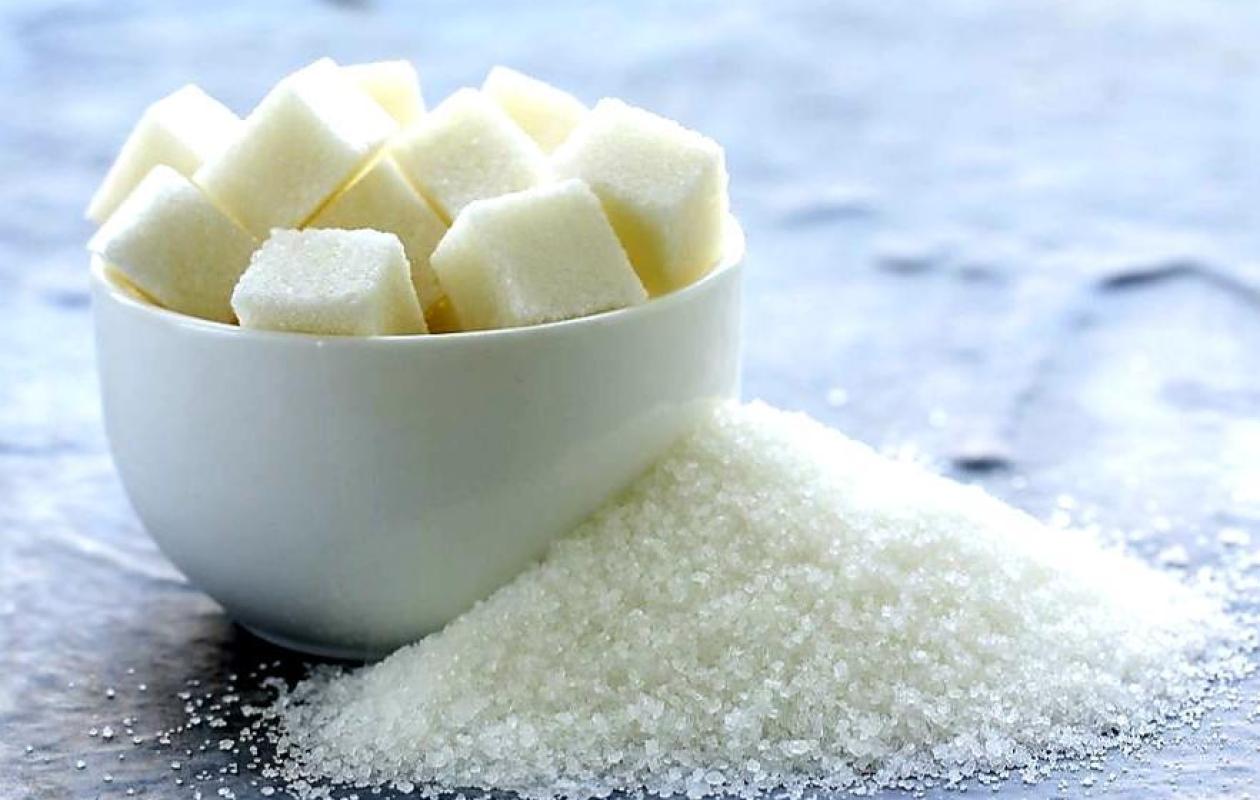
Senegal’s sugar import policy is facing renewed scrutiny after authorized foreign supplies entered the market while the Compagnie sucrière sénégalaise (CSS) was still holding 35,000 tonnes of domestic production. Seneweb, citing the newspaper Dakar Times, reported that the inventory represents nearly 20 billion CFA francs in immobilized cash. The stock would normally be sold into the Senegalese market, generating revenue for operations and investment.
The imports are permitted through Déclarations d’importation de produits alimentaires, or DIPA, which authorize food products to enter Senegal. The mechanism is intended in principle to help protect local production by controlling import timing and volumes. In the sugar market, however, Dakar Times argues that permits issued before CSS cleared its warehouses have had the opposite effect. Imported sugar has reportedly been abundant in the local market since late July, although CSS production had not yet been exhausted.
The current dispute follows a similar disruption during the previous marketing cycle. According to Dakar Times, volumes authorized in 2025 allegedly blocked CSS sales from mid-July 2025 until February 2026. CSS still held sugar from the 2024-2025 campaign during that period and restarted production for the 2025-2026 campaign in November 2025. The overlap between old inventory, new output and imported supply prolonged pressure on the company’s sales.
Import valuation widens the competitive gap
CSS was not invited to a consultation held in late July between the relevant authorities and major sugar importer groups, according to the report. That meeting allegedly established a reference value of €380 per tonne. Dakar Times put the current cost, insurance and freight value of imported sugar at about €450 per tonne, or approximately 300,000 CFA francs. The discrepancy could provide importers with a significant advantage in the way duties and other border charges are calculated.
The newspaper also reported that applying the historical equalization value of 399,000 CFA francs and the Taxe conjoncturelle à l’importation would still leave importers with an estimated commercial margin of about 15%. That margin would give traders room to reduce wholesale prices, making imported sugar more competitive than locally produced supply. For CSS, the immediate consequence is not simply excess inventory: nearly 20 billion CFA francs tied up in warehouses directly limits working capital and the company’s ability to finance production.
Investment plan placed at risk
In discussions with the authorities in 2025, CSS set out a target of increasing production capacity to 220,000 tonnes by 2030 under its planned KT220 strategy. The company expected to mobilize more than 100 billion CFA francs for the programme, which was designed to follow the KT150 plan. Its stated objectives included supporting the Vision Sénégal 2050 agenda, strengthening food sovereignty, expanding national industry and creating 1,000 jobs.
Dakar Times now reports that CSS may have to suspend all investment because it no longer considers market conditions compatible with further spending. The company had continued to envisage KT220 despite challenges to the agreement granting fiscal and customs support to KT150. President Bassirou Diomaye Faye’s visit to Richard-Toll in June 2025 had been viewed as official recognition of the project’s strategic importance.
The dispute leaves Senegalese policymakers balancing consumer access to competitively priced sugar against industrial policy, employment and the financial viability of domestic production. Resolving tax, customs and land issues alone may not revive investment if imports continue to arrive before local stocks are sold. For producers and importers, the central question is whether future DIPA approvals will be timed and valued in a way that prevents another accumulation of domestic inventory while maintaining adequate market supply.