Punjab rice millers seek higher fees under broken-rice ethanol policy
Rice millers in Punjab are seeking higher compensation for labor and storage as India introduces separate handling of broken rice for its national ethanol program. The dispute centers on who bears the additional cost of segregation and inventory management.
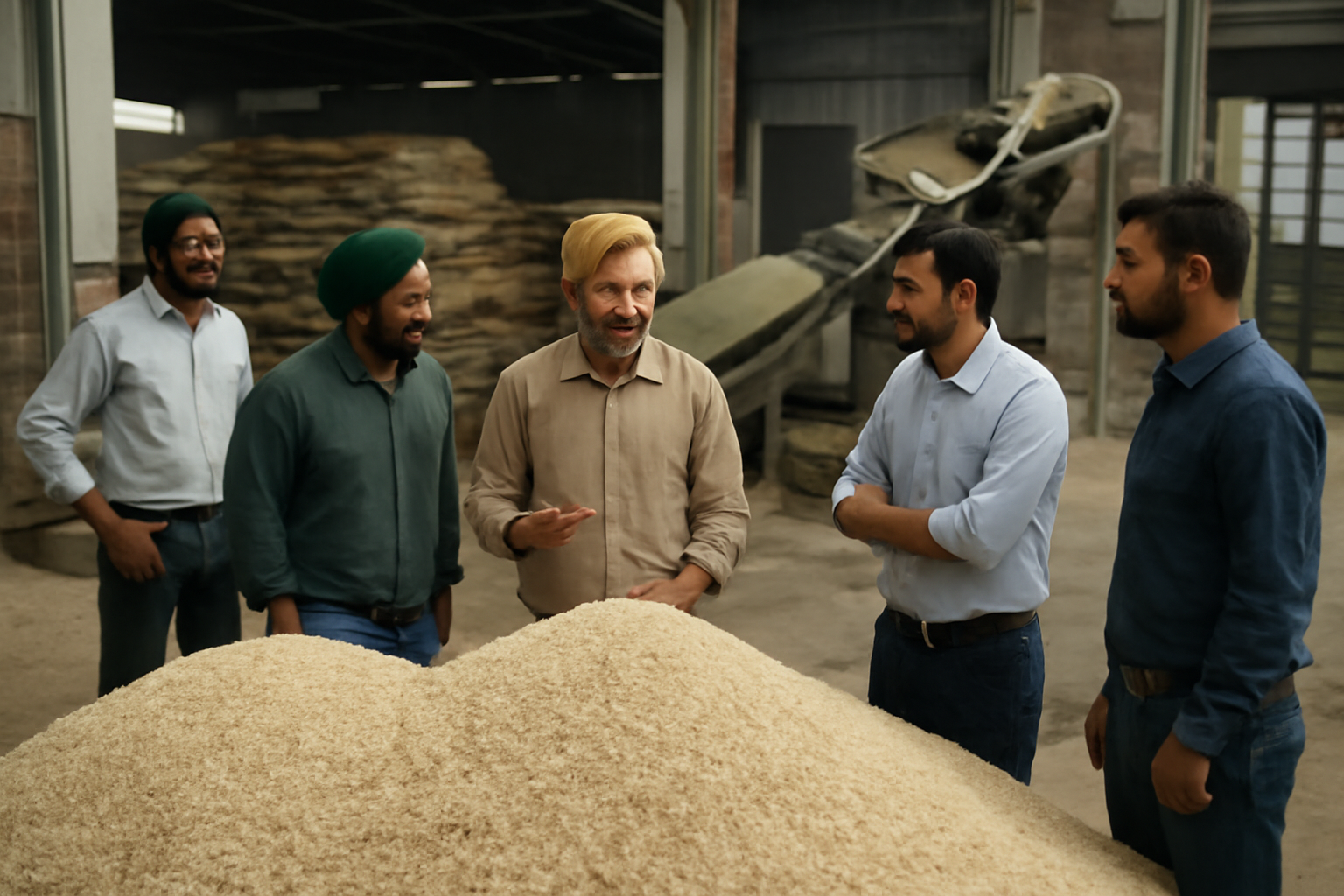
Millers seek compensation for separate handling
Rice millers in Punjab are asking for higher processing fees as India’s central government requires broken rice to be segregated for use in the national ethanol production initiative. Their demands focus on compensation for the additional labor and storage associated with handling the material separately.
The policy creates a distinct operational requirement for a by-product that emerges during rice processing. Instead of remaining within a mill’s usual product flow, broken rice intended for ethanol must be identified, separated and kept apart. Millers argue that the fees paid for this work should reflect the extra handling and warehouse capacity required.
The available information does not specify the compensation currently offered, the increase requested by millers or the volume of broken rice covered. It also does not identify a timetable for resolving the dispute. Those details will determine how significant the financial effect is for individual plants and for Punjab’s milling sector as a whole.
Storage becomes a central issue
Separate storage can affect mill operations even when the physical product has relatively low value compared with higher-grade rice. Dedicated space cannot be used for other inventories, while additional movement and recordkeeping can increase labor requirements. The impact will vary according to each mill’s capacity, layout and existing storage commitments.
For millers, the commercial issue is therefore broader than the price of one processing task. If compensation does not cover the cost of segregation, handling and storage, the mandate may reduce margins on the wider milling operation. Smaller plants or businesses with limited warehouse space could face greater constraints than operators with spare capacity.
For the government’s ethanol initiative, reliable segregation matters because the program depends on broken rice reaching the designated production chain. Disagreement over fees does not necessarily prevent implementation, but unresolved payment terms could complicate participation and create friction between mills and the authorities responsible for the policy.
Implications for rice and ethanol supply chains
The measure connects two markets that normally have different buyers and operating requirements. Rice millers produce broken rice during processing, while ethanol producers require a dependable supply of suitable feedstock. The segregation rule is intended to create a clearer route between those stages, but it also transfers additional work to the milling sector.
Processors, traders and ethanol producers will be watching how compensation is determined. Higher fees would raise the public cost of collecting and storing the feedstock but could improve millers’ willingness and ability to comply. Lower compensation would limit that cost while leaving processors to absorb a larger share of the operational burden.
The immediate dispute is about labor and storage payments, not the overall direction of India’s ethanol program. Its resolution will indicate how the central government intends to divide the costs created by dedicated feedstock handling. Until the fee structure and implementation terms are clarified, the financial consequences for Punjab’s millers remain uncertain.