Poland enters heating season with 450,000 pellet households and 1.17 million tonnes of fuel
Onet.pl reports that about 450,000 Polish households depend on pellet-fired biomass boilers while only 1.17 million tonnes of pellet are available on the market. Wyborcza.biz describes empty warehouses and steep price increases ahead of winter, and argues that no simple fix remains this close to the heating season.
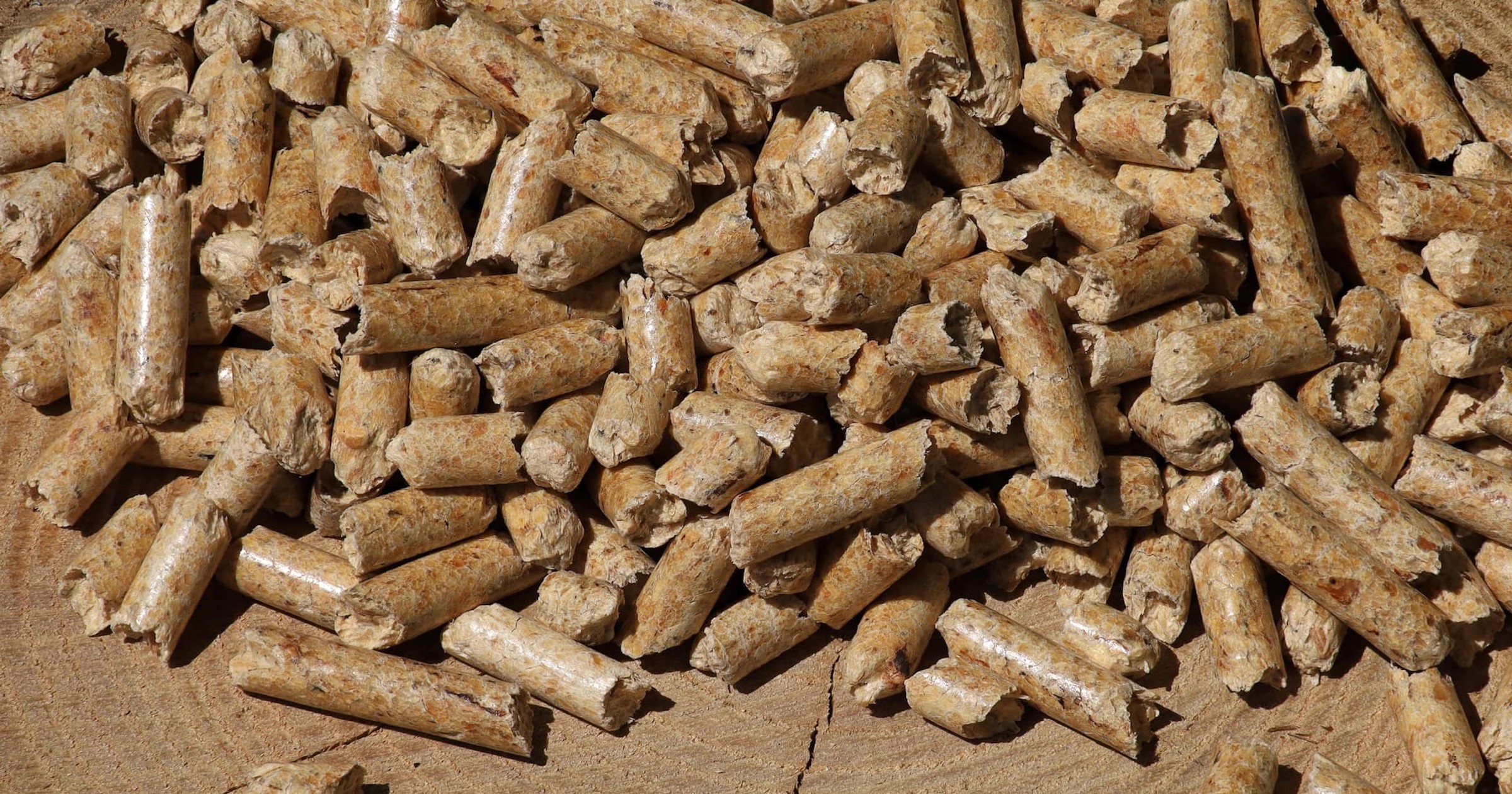
Poland's wood pellet market enters the heating season with a gap between the number of households that depend on the fuel and the volume of pellet available to them. Onet.pl reports that around 450,000 households in Poland use biomass boilers running on pellet, while only 1.17 million tonnes of the fuel are on the market. Wyborcza.biz describes warehouses standing empty and prices that have climbed steeply as winter approaches.
Boiler sales ran ahead of pellet output
According to Wyborcza.biz, Poles bought tens of thousands of pellet boilers, but no one took care of increasing supply to match them. The publication argues that, on the threshold of winter, there are no simple solutions left to improve the situation on the market. That asymmetry is structural to the fuel: a boiler can be installed in a day, while pelletising capacity takes far longer to build and depends on a steady flow of sawmill residue and low-grade wood that the plant does not control.
The two figures reported by Onet.pl work out at roughly 2.6 tonnes of pellet per household for an entire season, and only if every tonne on the market went to residential users. Commercial, institutional and municipal boilers also burn pellet, so the volume effectively reaching homes is smaller than that calculation suggests. It is an arithmetic that explains why the market tightened before the coldest months rather than during them.
Empty warehouses and household bills
Wyborcza.biz frames the cost side around a pellet bill of 12,000 zlotys, and reports price levels that it describes as dizzying for buyers. Onet.pl notes that many Poles had expected availability problems to ease once the previous heating season ended. The outlet reports that recent months brought a degree of stabilisation, but that owners of biomass boilers are still facing a constrained market, which it sums up as a market with a problem.
- Households running pellet equipment: about 450,000, according to Onet.pl
- Pellet volume available on the market: 1.17 million tonnes, according to Onet.pl
- Implied volume per household: roughly 2.6 tonnes, based on those two figures
- Pellet bill cited by Wyborcza.biz: 12,000 zlotys
Few levers left before the cold
With domestic output fixed for this season, the options open to the market are narrow. Imported tonnes can close part of the gap, but they have to be contracted and shipped into a European market where other buyers are stocking up at the same time. Households with multi-fuel or older equipment can shift to coal or firewood; those with dedicated pellet boilers cannot, and are left with consumption cuts as the only cheap response.
For producers and traders holding inventory, the incentive runs the other way. Empty warehouses at the start of the season signal that stock is being released slowly or has already been sold forward, which supports prices well into the winter. For equipment manufacturers and installers, the episode carries a reputational cost: tens of thousands of boilers were sold on an economic case that assumed fuel availability, and that assumption has not held. The immediate question for the Polish market is not whether pellet is technically available, but at what price the 450,000 households identified by Onet.pl can secure the tonnes they need before the first frost.