Peru’s processed fruit and vegetable exports reached $893 million in 2025
Peru’s processed fruit and vegetable exports increased eightfold from $105 million in 2000 to $893 million in 2025. The sector has diversified beyond canned asparagus, but lower shipment volumes drove a 5.4% decline in the first half of 2026.
Exports expand eightfold in 25 years
Peru exported $893 million of processed fruit and vegetables in 2025, eight times the $105 million recorded in 2000, according to AgroPerú, citing figures from the National Superintendency of Customs and Tax Administration, or Sunat. The category accounted for 6.1% of Peru’s agricultural exports to the world and included canned goods, confectionery, snacks and juices.
The increase reflects both higher sales and a broader product base. At the beginning of the century, canned asparagus dominated the category, generating $81.5 million and representing 77.8% of processed fruit and vegetable exports. Canned palm hearts and tomato paste each contributed $3.2 million, while passion fruit juice accounted for $3.1 million.
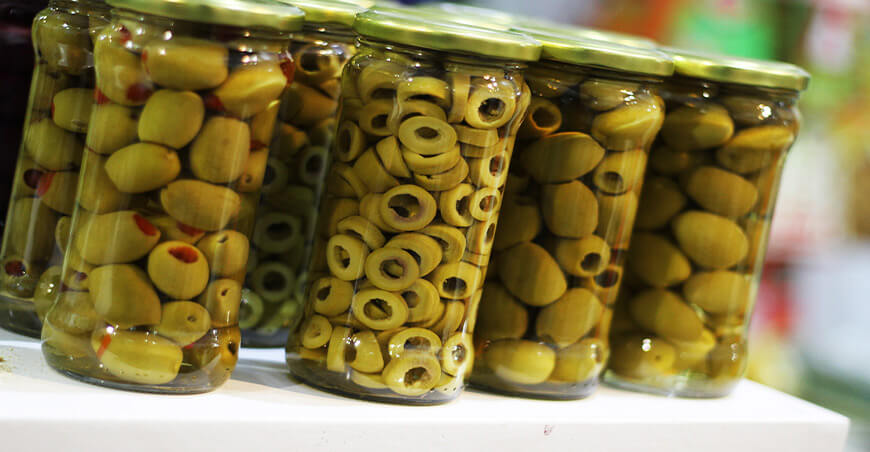
By 2025, canned artichokes had become the largest individual product, with exports valued at $126 million. Capsicum products were also prominent: piquillo pepper shipments reached $90.4 million and bell pepper exports totaled $36.6 million. Canned olives generated $70 million, while mango pulp contributed $18.5 million.
New products and diversified destinations
More recent additions strengthened the processed portfolio. Pineapple in syrup exports totaled $32.6 million in 2025 and originated almost entirely in Ica. Frozen orange juice shipments reached $24.6 million, with Junín accounting for 61% of the total. These products extend Peru’s value-added offering beyond the preserved vegetables that historically anchored the industry.
Processed fruit and vegetable products reached more than 70 countries in 2025. The United States remained the largest destination, taking 43.8% of global shipments. Export revenue from the market rose 20.1% from 2024 to $391 million. Canned vegetables generated $107 million, up 30.8%, while canned artichoke shipments reached $64.3 million, an increase of 0.4%.
Spain was the principal European destination, purchasing $182 million in 2025, up 26.9% year on year. Canned piquillo peppers, artichokes and asparagus represented 87.3% of shipments to the Spanish market. Exports to the Netherlands and France reached $58.3 million and $35.3 million, respectively.
Brazil led demand in South America. Shipments more than doubled from $23.8 million in 2024 to $49.8 million in 2025, with canned olives contributing 95.3% of the total. Chile purchased $23.4 million, up 22.8%, and exports to Colombia increased 6.7% to $12.1 million.
Volume declines interrupt the growth trend
The sector lost momentum in the first half of 2026. Exports fell 5.4% to $342 million from $362 million in the same period of 2025, primarily because of lower shipment volumes. Canned artichoke exports declined 8.8%, asparagus fell 28.9% and piquillo pepper shipments dropped 10%.
The reversal highlights the industry’s exposure to production and market risks despite its longer-term expansion. AgroPerú identified tariff changes as a source of higher costs and weaker competitiveness in destination markets, while weather events can restrict raw-material availability and raise input costs. For processors and growers, maintaining export growth will depend on reliable crop supply, competitive processing costs and continued access to a destination portfolio that remains heavily weighted toward the United States and Spain.