Peru’s agro-exports rise 3.6% as fresh-fruit demand supports first-half sales
Peruvian agricultural exports reached $5.642 billion in the first half of 2026, up 3.6% year on year. Avocados, grapes, blueberries and mangoes led non-traditional shipments, while the United States remained the largest market.
Fresh fruit leads export earnings
Peru’s agricultural exports reached $5.642 billion between January and June 2026, an increase of 3.6% from the same period of 2025, according to the Ministry of Agrarian Development and Irrigation, known as Midagri. Fresh fruit remained central to the country’s export performance, supported by overseas demand for avocados, table grapes, blueberries and mangoes.
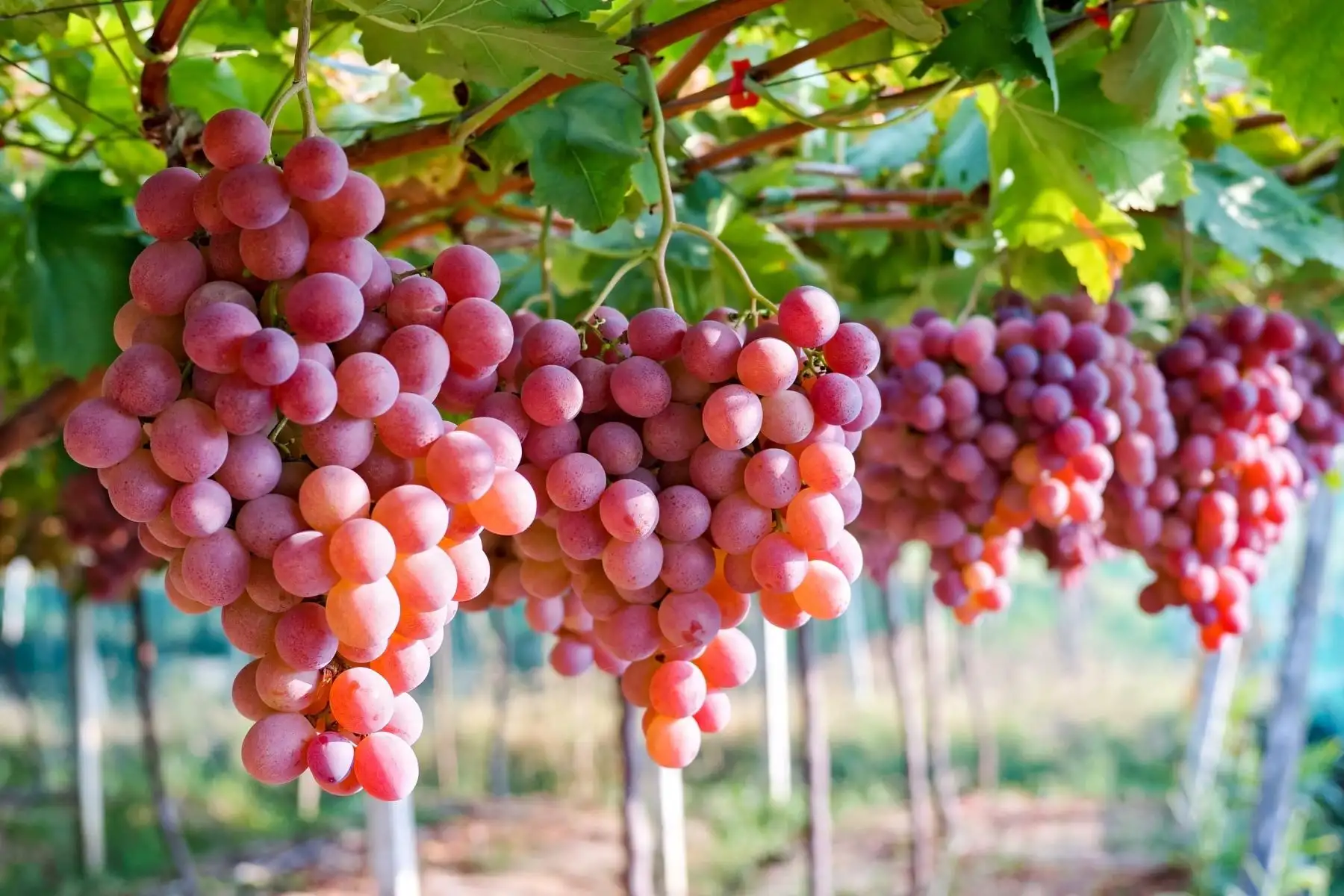
Avocados ranked first among Peru’s non-traditional agricultural exports, generating $933 million and accounting for 17.7% of the segment. Fresh grapes followed with $789 million, equivalent to 15.0%, while fresh blueberries generated $427 million and held an 8.1% share. Fresh mango exports were valued at $264 million, representing 5.0%. Infobae reported that the four products headed the non-traditional agro-export ranking during the first half.
Growth extends beyond the largest fruit categories
The leading export basket also included raw cocoa beans at $164 million, other fresh fruit at $148 million and fresh asparagus at $136 million. Frozen mango, animal feed and quinoa completed the list of the 10 largest non-traditional agricultural export products. Together, the group represented 59.8% of Peru’s non-traditional exportable agricultural supply, highlighting both the importance of the leading fruit categories and the sector’s wider product base.
Several major products recorded strong growth compared with June 2025. Fresh blueberry exports increased by 52.7%, fresh grape shipments rose by 16.8% and avocado exports advanced by 12%. Traditional agricultural exports also grew, rising 8.9% year on year to $371 million in the first half. Unroasted, non-decaffeinated coffee dominated this segment with sales of $323 million. Refined sugar contributed $21 million, uncarded and uncombed wool $6 million, and cane molasses $5.3 million. These four products accounted for 95.9% of traditional agricultural exports.
United States and Europe anchor demand
The United States remained Peru’s largest agricultural export market, taking 30.5% of the value shipped during the first six months of 2026. The Netherlands ranked second with 17.2%, followed by Spain with 7.0%. Chile accounted for 4.7%, Mexico 4.0%, England 3.6%, Ecuador and Colombia 3.3% each, China 2.8% and Canada 2.7%. Combined, these 10 destinations represented 79.7% of Peru’s agricultural export value, leaving exporters substantially exposed to demand and market-access conditions in North America and Europe.
Peru recorded an agricultural trade surplus of $1.631 billion in the first half, $197 million higher than in the corresponding period of 2025. Export growth was also geographically broad within the country: Midagri said 15 of Peru’s 24 departments increased their overseas agricultural sales. Coastal regions posted the strongest performance, with agro-exports rising 6.6%. Agriculture Minister Marco Vinelli said the ministry would continue working to improve small farmers’ access to water, technical assistance, credit, technology and mechanization as Peru expands its agricultural supply.