Paraná wheat shortfall deepens Brazil’s import dependence
Paraná is expected to produce 2.2 million tonnes of wheat in 2026/27, leaving its milling industry almost 1.6 million tonnes short of annual demand. Lower acreage, weak farm returns and quality constraints among suppliers could raise costs across Brazil’s flour-based food industry.
Local output falls below milling demand
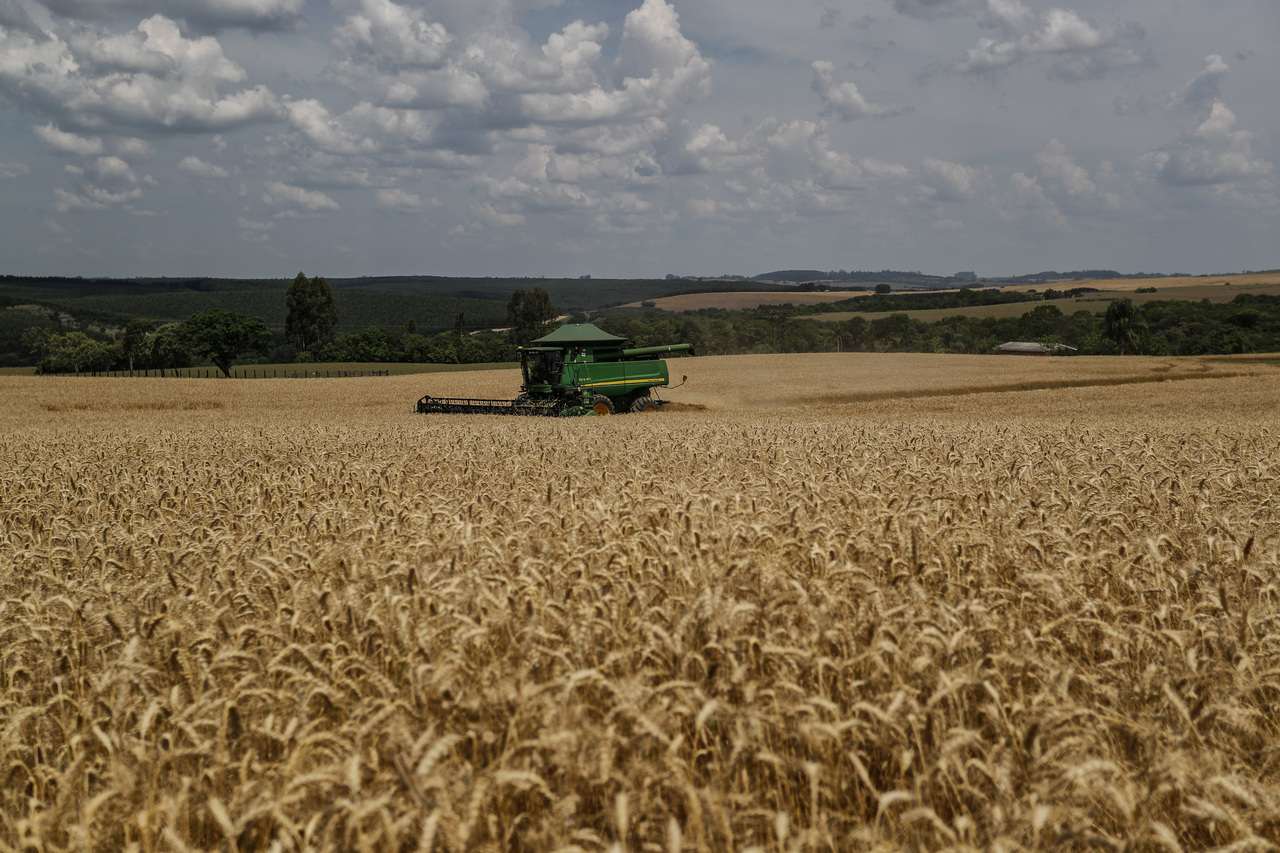
Paraná is heading toward a wheat deficit of almost 1.6 million tonnes in the 2026/27 crop year, increasing pressure on mills and food manufacturers to secure supplies from other Brazilian regions and overseas. Gazeta do Povo reports that state production is estimated at 2.2 million tonnes, compared with annual milling demand of about 3.85 million tonnes.
The imbalance is particularly significant because Paraná has Brazil’s largest milling complex and accounts for about 30% of national flour production. The state’s expected harvest is roughly 600,000 tonnes below the 2.8 million tonnes collected in the previous season.
Planted area has fallen by 13.5%, from 855,000 hectares last year to about 740,000 hectares in the current cycle. Paloma Venturelli, president of Paraná’s wheat industry association Sinditrigo-PR, told Gazeta do Povo that the contraction reflects several years of lost acreage in Paraná and Rio Grande do Sul, compounded by disappointing harvests.
Low returns push growers toward other crops
High spending on fertilizer, seed, fuel and crop protection has weakened wheat’s appeal, while weather and plant-disease risks make returns less predictable. Farmer Carlos Spolador planted about 90 alqueires of wheat at his property in Sertanópolis, compared with almost 600 alqueires of second-crop corn. His wheat cost is approximately R$6,000 per alqueire, and he said a 10% return after all expenses would already be a strong result.
Spolador’s corn costs between R$8,000 and close to R$10,000 per alqueire, but offers a different return outlook. Wheat is mainly used on land and during planting windows less suitable for corn. In the warmer, wetter Sertanópolis region, wheat blast can destroy a crop if it attacks during the initial stage of ear development, while rainfall can hinder fungicide control.
The farmer is testing 13 wheat varieties to identify stronger disease resistance and better local adaptation. For the industry, such technology is part of the effort required to make domestic planting attractive again, alongside lower production risks and improved grower profitability.
Brazil may need record import volumes
The national outlook has also deteriorated. Brazil’s wheat forecast was reduced from 7.2 million to 5.9 million tonnes, and the country may need to import almost 9 million tonnes to meet demand, potentially a historical record. The international market has enough wheat, according to Venturelli, but origin, quality and logistics will determine the final cost.
Argentina remains Brazil’s main supply option because of its proximity and Mercosur trading arrangements. However, Argentine wheat available this season has lower protein and wet-gluten content, limiting its suitability for some applications and potentially forcing mills to seek alternative origins.
US wheat costs about R$300 more per tonne than Argentine grain, according to industry data cited by Gazeta do Povo. The United States is also facing lower production and reduced export availability. Paraguay, another traditional supplier to Paraná, is expected to have less wheat available for export, while the Russia-Ukraine conflict adds uncertainty to maritime freight and insurance costs.
Higher costs spread through the food chain
A potentially stronger El Niño adds another risk to an already difficult combination of reduced acreage, lower yields, quality problems and volatile international logistics. More expensive imported wheat would directly affect mills and manufacturers using flour in bread, pasta, pizza, biscuits and fresh food products.
Venturelli cautioned that the wheat deficit cannot be translated into an equivalent increase in bread prices because flour is only one component of the retail price. Nevertheless, higher grain and import costs can move through the chain and reach consumers. Supply availability is not the immediate concern; the central issue is the price Brazil will pay for greater dependence on external wheat.