Morocco becomes Spain’s top fruit and vegetable supplier by import value
Spain imported €710 million of Moroccan fruit and vegetables in the first four months of 2026. The value rose an estimated 5.6% year on year, placing Morocco first among Spain’s suppliers by expenditure.
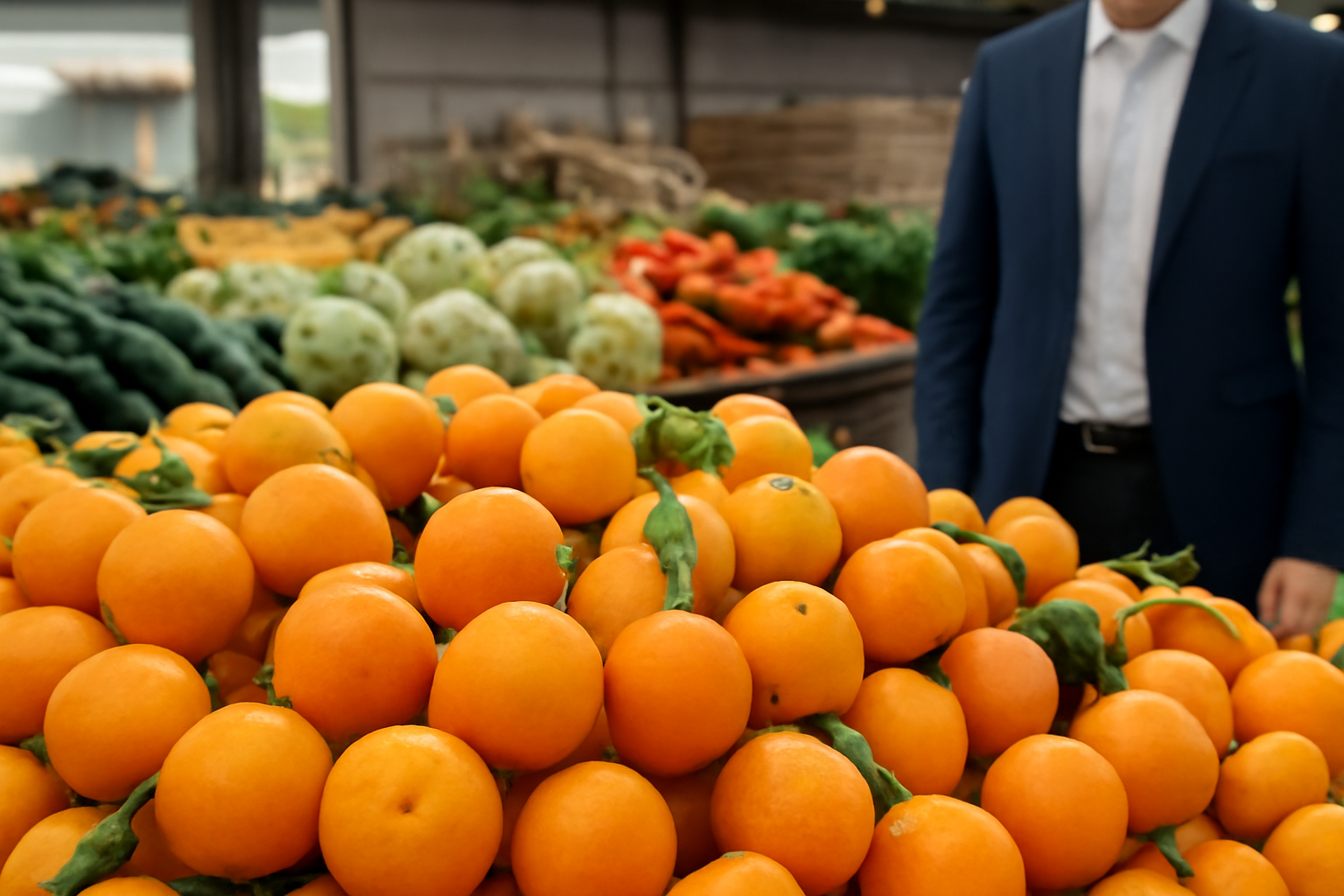
Imports reach €710 million
Morocco was Spain’s largest supplier of fruit and vegetables by value in the first four months of 2026. Spanish expenditure on Moroccan produce reached €710 million, according to the information provided with the report. The total represented an estimated increase of 5.6% from the same period a year earlier.
The figures cover the combined fruit and vegetable trade and do not provide a breakdown by product, volume or price. They therefore show the value of the flow but not how much of the annual increase came from larger shipments, higher prices or a different product mix. Even with that limitation, the result confirms Morocco’s leading position among countries supplying Spain with imported produce by value.
Value growth strengthens Morocco’s lead
A 5.6% annual increase means Spanish buyers directed more money toward Moroccan fruit and vegetables during the period. For exporters in Morocco, the €710 million total indicates that Spain remained a major destination for their produce. For Spanish importers, it highlights the commercial weight of Moroccan supply within their purchasing portfolios.
The ranking is based on money spent, rather than physical volume. A supplier can lead by value because it ships larger quantities, sells higher-value goods or benefits from firmer prices. The available material does not establish which of those factors drove Morocco’s performance. Importers and market analysts will therefore need product-level customs data before drawing conclusions about individual crops or unit prices.
Implications for produce traders
Morocco’s position matters to companies managing sourcing, procurement and sales in the Spanish market. When one origin accounts for the highest import expenditure, changes in its shipment availability or prices can have a noticeable effect on buyers’ budgets. The reported growth also gives Moroccan exporters a stronger commercial base when dealing with Spanish customers.
Spanish growers and suppliers from competing origins face a market in which spending on Moroccan produce is still expanding. The reported figures do not identify those competing countries or compare their growth rates, so they cannot show whether Morocco gained market share. They do, however, establish that no other foreign supplier generated a higher Spanish import value for fruit and vegetables during the period.
Volumes and products remain key unknowns
The next question for the market is whether the increase in value was supported by shipment growth. A rise in tonnage would point to deeper penetration of Moroccan produce, while value growth without higher volume could reflect prices or a shift toward more expensive goods. Neither interpretation can be confirmed from the supplied figures.
Product detail will also determine which parts of the supply chain are most affected. The combined €710 million figure is relevant to the wider produce trade, but it does not identify the fruits or vegetables responsible for the increase. For now, the clearest conclusion is limited but significant: Morocco led Spain’s foreign fruit and vegetable suppliers by value in early 2026, and the value of that trade was still rising year on year.