Moroccan olive oil output forecast to fall 44% in 2026-27
Morocco could produce 100 million kilograms of olive oil in 2026-27, down from 180 million kilograms this season, according to Spanish industry professionals cited by OkDiario. The provisional forecast points to tighter export availability, although stocks from the exceptional 2025-26 harvest could cushion the domestic market.
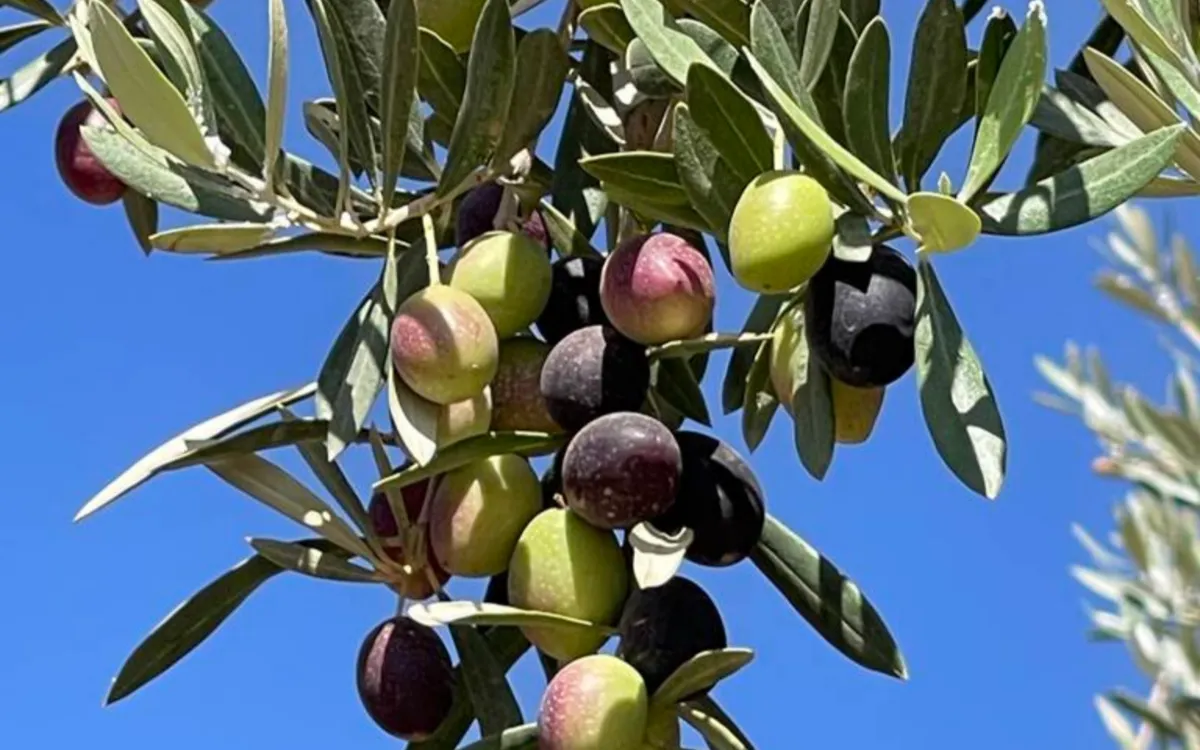
Output could return to 100 million kilograms
Moroccan olive oil production could fall to 100 million kilograms in the 2026-27 campaign from 180 million kilograms in the current season, Bladi.net reported, citing forecasts from Spanish olive-sector professionals consulted by OkDiario. The projected loss of 80 million kilograms would represent a 44% decline and bring a sharp end to the recovery that followed several years of drought.
The estimate remains provisional and has not been issued by Moroccan authorities. It is based partly on the alternate-bearing cycle of olive trees: a particularly heavy crop is often followed by a weaker season. Weather, the actual fruit load on the trees and oil yields during milling will still determine the final result.
Fruit and oil forecasts measure different volumes
Moroccan professionals had separately indicated that the national olive harvest could decrease by 40%, or around 800,000 tonnes of fruit, from this season’s record of two million tonnes. That would put the prospective olive crop at about 1.2 million tonnes. The two forecasts are related but not interchangeable: the 1.2-million-tonne figure refers to olives before processing, while the 100-million-kilogram estimate covers the oil obtained after milling.
The comparison is important for processors and traders because extraction yields can amplify or soften the effect of a smaller fruit crop on finished-oil supply. With no official Moroccan oil estimate yet available, the projected 100 million kilograms should be treated as an industry scenario rather than a settled production figure.
Export supply may tighten as Spain recovers
A decline on this scale could reduce the amount of Moroccan oil available for export after European purchases rose strongly. Spain, the world’s largest producer, sharply increased its purchases of Moroccan olive oil in 2026, according to Bladi.net. A better Spanish harvest would reduce that need for external supplies just as Morocco, Tunisia and Turkey may all enter lower-output seasons.
The Spanish industry expects Spain to produce between 1.5 billion and 1.7 billion kilograms in 2026-27, compared with about 1.3 billion kilograms in the current campaign. That implies an increase of 200 million to 400 million kilograms. If the upper Spanish forecast and the Moroccan estimate both materialize, Spain would produce as much as 17 times Morocco’s volume.
Other Mediterranean suppliers could also record substantial declines. Tunisia’s output is forecast to fall from 512 million kilograms to between 250 million and 300 million kilograms, while Turkey could drop from more than 400 million kilograms to below 300 million kilograms. Simultaneous losses outside Spain would strengthen Spain’s position in the international market, although the scale of that advantage will depend on final harvests and milling yields across the region.
Stocks could cushion Morocco’s domestic market
Lower production does not necessarily imply an immediate surge in Moroccan prices. Stocks accumulated after the abundant 2025-26 campaign could absorb part of the decline and support domestic availability. Morocco’s purchases of foreign olive oil also fell sharply in the first half of 2026 as the record domestic crop returned, illustrating how quickly its import requirements can change with local supply.
For Moroccan mills and exporters, the central issue is therefore not only the projected harvest decline but the balance between inventories, domestic consumption and export commitments. The 100-million-kilogram scenario would leave less room for overseas sales than the current crop, while a larger Spanish harvest could intensify competition. Until weather conditions, tree loads and extraction rates become clearer, buyers and sellers will be working with a wide range of possible Mediterranean supply outcomes.