Microalgae recycling could cut cultivated-meat growth-media costs by up to 90%
University of Queensland researchers have used cultivated-meat production waste to grow microalgae and recover nutrients for new cell cultures. They estimate that the system could reduce growth-media costs by 60% to 90%, but commercial-scale performance has yet to be demonstrated.
Waste becomes an input for new cell cultures
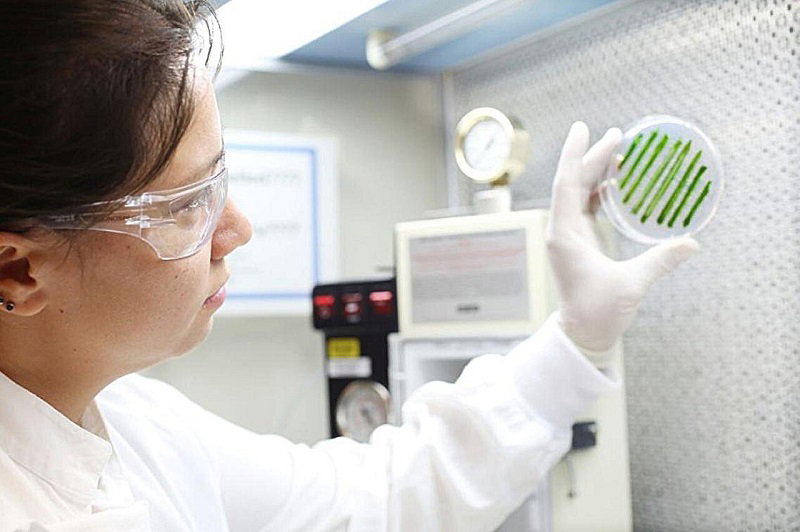
Researchers at the University of Queensland have developed a system that uses microalgae to recover nutrients from waste generated during cultivated-meat production. The algae grow on material left behind by the manufacturing process, after which nutrients can be extracted and returned to animal-cell cultures. According to Knowridge, the researchers estimate that this recycling method could reduce the cost of cell growth media by 60% to 90%.
Cultivated meat is produced by growing animal cells instead of raising and slaughtering an entire animal. The technology can be used to make foods resembling beef, chicken, pork and lamb, but large-scale manufacturing remains costly. Growth media—the nutrient-rich liquid that keeps cells alive and supports multiplication—is one of the sector’s largest production expenses.
The media typically contains amino acids, growth factors and other inputs required by animal cells. In the University of Queensland system, microalgae absorb nutrients that would otherwise remain in the waste stream. Once the algae have grown, useful components can be recovered and fed back into production, reducing the need to purchase entirely new inputs for every batch.
Oxygen and surplus algae add potential value
The microalgae may perform more than one function inside the proposed production loop. They can produce oxygen that could support the growth of meat cells, while converting residual nutrients into reusable biomass. The study therefore points to a system in which waste treatment, nutrient recovery and part of the oxygen supply could be linked.
The experiments generated more microalgae than was required for nutrient recycling alone. Researchers said this surplus could potentially become an input for other products, giving cultivated-meat producers an additional source of revenue. The source material does not identify those products or quantify the possible income, so their commercial value remains uncertain.
The findings were published in Food Research International. They address a central challenge for cultivated-meat companies: reducing recurring input costs without depriving cell cultures of the nutrients needed for reliable growth. A 60% to 90% reduction in media costs would be substantial, although it does not imply an equivalent reduction in the total cost of cultivated meat because facilities, energy, equipment and other operating expenses would remain.
Commercial-scale integration is the next test
The University of Queensland team is working with Australian cultivated-meat company Magic Valley, which supplied waste material for the study. Supported by an Australian Economic Accelerator grant, the project is examining how the recycling process could be integrated into much larger production facilities.
Scale is the key unresolved issue. Laboratory recycling must be converted into a stable process that can supply consistent nutrients, support cell growth and fit into food-production controls. Producers will also need to determine how many times nutrients can circulate, how surplus algae should be processed and whether the system remains economical when operated continuously.
The research arrives as the industry moves toward commercial manufacturing. Five countries have approved cultivated meat for sale, with Australia and New Zealand among the latest to permit certain products. If the recycling method performs at industrial scale, producers could lower their dependence on newly purchased media ingredients while reducing waste. For investors and food manufacturers, the decisive evidence will come from larger facilities showing repeatable yields, reliable cell performance and measurable savings across the complete production process.