Mahou Opens Biomass Plant to Cut Alovera Brewery’s Direct CO₂ Emissions by Up to 95%
Mahou San Miguel has opened a biomass plant at its Alovera brewery in Guadalajara, Spain. The system will progressively replace natural gas with renewable heat and is expected to avoid around 17,000 tonnes of CO₂ emissions annually when fully operational.
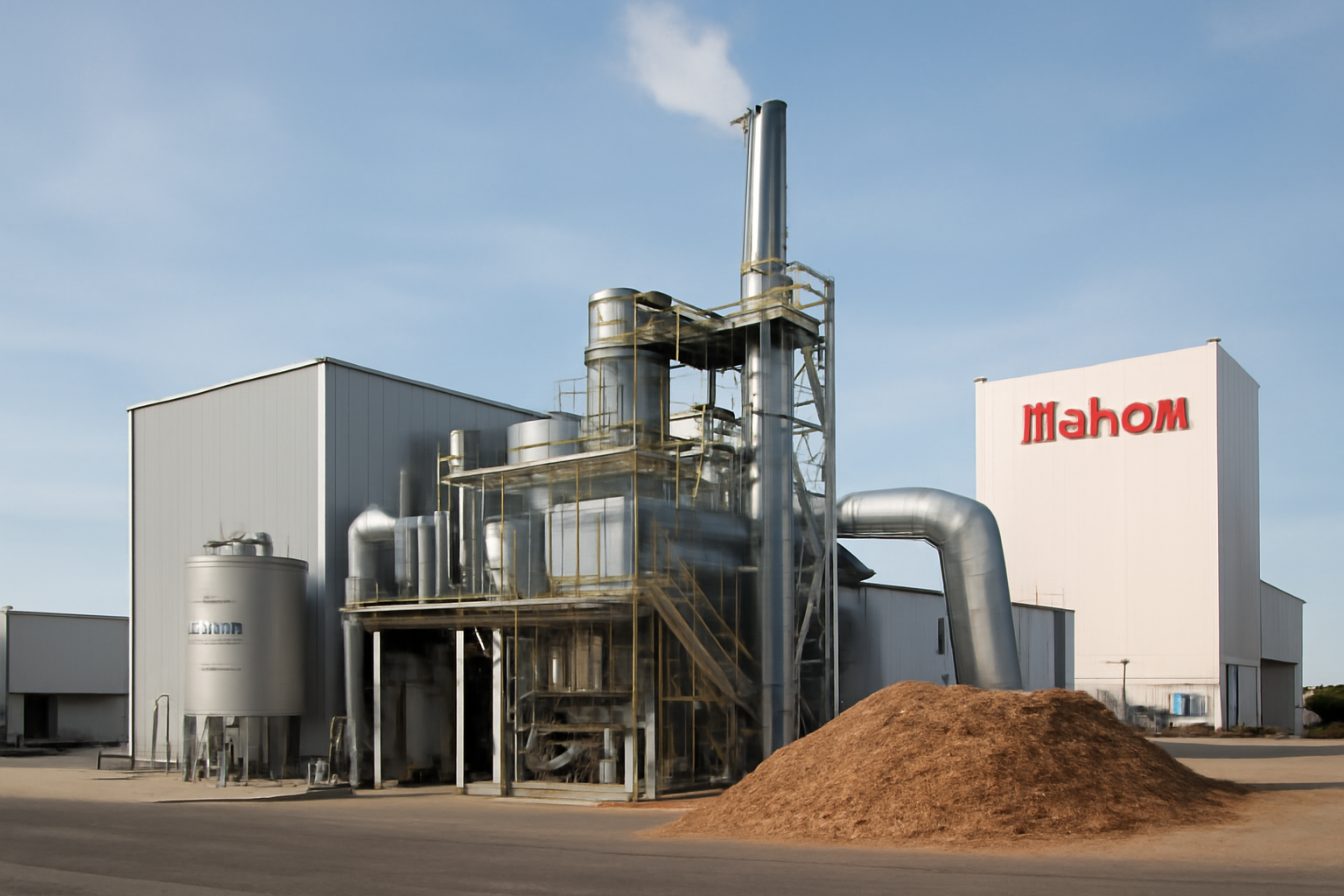
Renewable heat for Spain’s largest brewery
Mahou San Miguel has inaugurated a biomass plant at its production centre in Alovera, Guadalajara, in a major effort to reduce fossil-fuel use in energy-intensive brewing. According to El Debate, the installation will progressively replace natural gas with renewable thermal energy and could reduce the brewery’s direct carbon dioxide emissions by up to 95%.
Once fully operational, the plant is expected to prevent around 17,000 tonnes of CO₂ emissions each year. El Debate describes the Alovera site as Spain’s largest brewery and one of the biggest in Europe, making the project a significant industrial test of biomass-based heat at scale. The new unit is also the largest biomass installation associated with Spain’s brewing sector.
Magnon builds and operates the plant
The facility was built and will be operated by Magnon, a subsidiary of Grupo Ence. It will use agroforestry biomass to produce the thermal energy required by the brewery’s manufacturing processes. The model links industrial heat demand with locally sourced biological material, while reducing the site’s exposure to natural gas consumption.
Mahou San Miguel Managing Director Alberto Rodríguez-Toquero said the project forms part of the brewer’s transformation strategy and its commitment to the regions where it operates. The company expects the gradual substitution of natural gas to make production more efficient, less dependent on fossil fuels and more resilient to changes in energy markets. Magnon Servicios Energéticos Managing Director Lidia Roca also pointed to supply stability and lower exposure to price volatility as commercial benefits of biomass.
Public funding supports private investment
The Spanish state contributed close to €4.5 million to the project. Secretary of State for Industry Jordi García Brustenga said this support helped mobilise private investment three times as large. No total project cost was disclosed in the report, but the funding structure illustrates the role of public capital in lowering the threshold for industrial decarbonisation projects.
The plant’s local feedstock could also create activity in rural areas and encourage more active forest management, according to Magnon. The company argues that using available agroforestry resources may help reduce the spread of wildfires as well as improve energy security. Castilla-La Mancha President Emiliano García-Page said the project showed that environmental impact could be reduced while facilities were modernised and competitiveness improved.
A model for energy-intensive beverage production
The Alovera project addresses one of the beverage industry’s central decarbonisation challenges: replacing fossil fuels used to generate process heat. Its commercial importance will depend on reliable biomass supplies, consistent fuel quality and the plant’s ability to deliver heat at the scale required by a large brewery. For producers, the expected 95% reduction in direct CO₂ emissions is substantial, but the operational test will be whether that reduction can be maintained without compromising output or cost control.
Spain plans to present the country as the invited partner at the Hannover industrial fair in Germany, and García Brustenga said work was under way to ensure that Castilla-La Mancha and its companies were represented. The Alovera plant is among the projects that could be showcased as an example of industrial modernisation and decarbonisation.