Kenya’s drought cuts formal milk supply as retailers ration purchases
Formal milk deliveries in Kenya fell to 81.3 million litres in July 2026 as drought, high feed costs and processing constraints tightened supply. Nairobi retailers have rationed purchases, while fresh milk prices at one dairy centre rose from KSh70 to KSh80 per litre.
Formal deliveries extend their decline
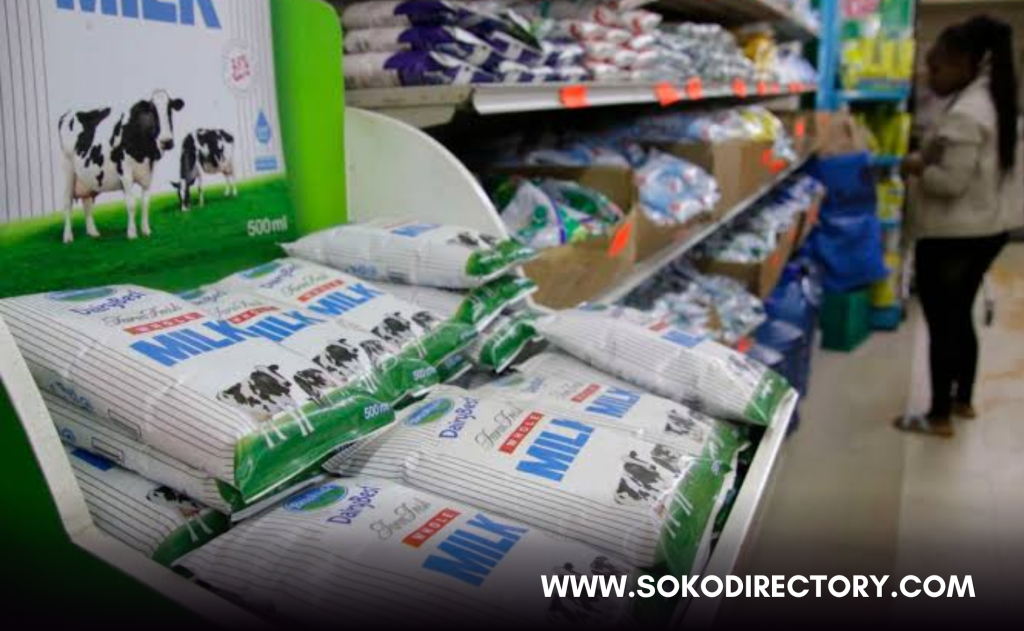
Kenya’s milk shortage has reached supermarket shelves, with retailers in Nairobi limiting purchases as processors struggle to secure enough raw milk. The Star found empty or sparsely stocked shelves at several outlets. Some consumers could buy no more than one litre from dispensers, while certain wholesalers restricted packaged milk purchases to fewer than five packets instead of a carton. A Naivas outlet imposed a maximum of six packets per customer.
Data cited by the Consumers Federation of Kenya, or COFEK, show that formal-sector intake fell 5% from 88.89 million litres in May 2026 to 84.44 million litres in June. That June volume was 6.4% below the 90.24 million litres processed in June 2025. Intake for January-June reached 513.32 million litres, compared with 516.34 million litres in the corresponding period of 2025. The Kenya Dairy Board subsequently reported a further 3.7% fall, to 81.3 million litres in July from 84.4 million litres in June. Preliminary indications point to another decline in August.
Drought and feed costs squeeze farms
The immediate pressure is concentrated among smallholders, which account for about 80% of Kenyan milk production. Farmers have reported daily yields falling from seven-nine litres to four-five litres per cow as delayed rains reduce pasture and feed becomes more expensive. Soko Directory, citing COFEK, reported that feed costs had risen by roughly 45%. The National Drought Management Authority said 52.2% of monitored arid and semi-arid counties recorded July milk production below the long-term average.
The authority linked the decline to diminishing pasture, longer journeys to water and worsening livestock condition. Some pastoralists have moved cattle to ranches in Taita Taveta, where grazing and water cost KSh300 per cow per month. Andrew Mbogo, a dairy farmer in Nyeri County, told The Star that output from his two cows had fallen by almost half. He normally produces about 20 litres a day and depends on cooperative payments to service loans.
Prices rise, but supply constraints go beyond farms
At Waithaka Dairy Centre, fresh milk rose from KSh70 to KSh80 per litre. The Star recorded long-life milk at KSh54-KSh65 and available fresh brands at KSh61-KSh65. The Kenya Dairy Board said retail prices remained generally stable, although increases had appeared in areas with tighter supply. Pasteurised milk has been affected more severely than extended-shelf-life and ultra-high-temperature products.
Processors also face fuel, working-capital and distribution costs. Kieni Dairy Products CEO Solomon Maina said some companies were reducing pasteurised milk output in favour of higher-value yoghurt, ice cream and cheese. Delayed processor payments may also encourage farmers to sell through the informal market, where milk commands KSh70-KSh80 per litre and payment is prompt. These factors help explain why retail shortages can coexist with production in wetter counties.
A production leader with a formal-market bottleneck
Kenya has been reported to have overtaken Egypt as Africa’s largest milk producer, but that ranking does not contradict the current shortage. National production includes the large smallholder and informal segments, whereas the monthly figures measure milk delivered to formal processors. A country can therefore produce substantial volumes while packaged supply contracts because less milk reaches processors, logistics are disrupted or processors shift capacity to other dairy products.
COFEK has called for emergency fodder and feed support, disclosure of milk-powder reserves, and removal of import duty and VAT on yellow maize and soya used in dairy feed. The Kenya Dairy Board expects the October-December 2026 rainy season to restore pasture and supply if rainfall is sufficient. The government is also distributing milk coolers and supporting herd improvement through subsidised sexed semen. Until weather and formal deliveries recover, processors, retailers and households remain exposed to limited availability and local price increases.