Japanese Demand for Indonesian Wood Pellets Jumps More Than 500%, Raising Deforestation Concerns
Japanese purchases of Indonesian wood pellets have risen by more than 500 percent, according to Indonesian outlet suara.com. The report links the export boom to worsening deforestation in Indonesia and points to weak oversight of the biomass supply chains feeding Japan's power sector.
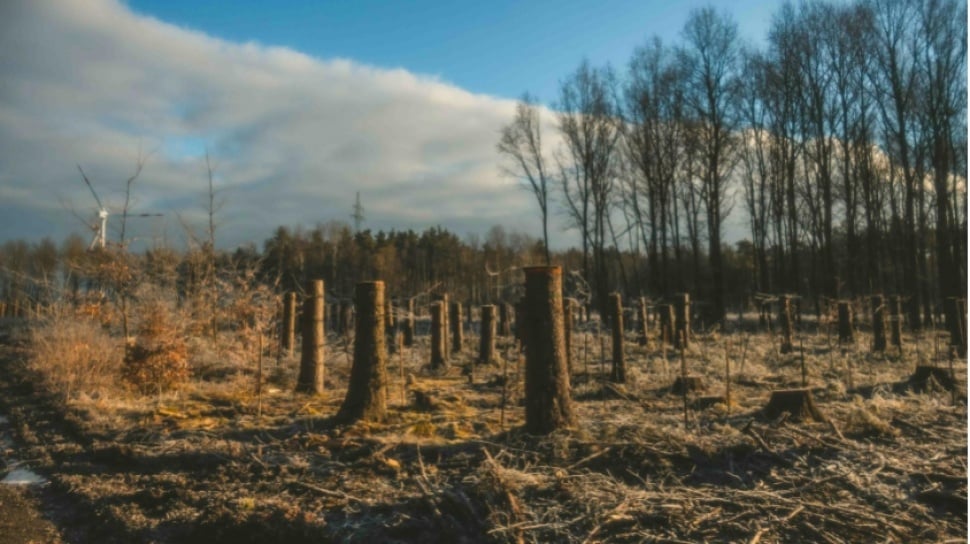
Japanese demand for Indonesian wood pellets has increased by more than 500 percent, and the export boom is now being tied to worsening deforestation in Indonesia, the Indonesian news outlet suara.com reported. The report also points to weak supervision of the biomass supply chains that deliver fuel to Japan's power sector as shipments expand.
A more than fivefold rise in demand
According to suara.com, Japanese purchases of Indonesian wood pellets have grown by over 500 percent. A move of that size does not read as incremental growth in an established trade lane; it reads as the creation of a new one. Wood pellets are compressed wood fuel burned in power stations, either in dedicated biomass units or co-fired alongside coal, and Japan is among the largest buyers in Asia.
The growth reflects the place biomass occupies in Japan's energy transition. Pellets are counted as renewable fuel, which allows existing thermal capacity to keep operating while reported emissions from those plants fall. Volume growth on the scale described by suara.com has to be sourced abroad, and Indonesia has become one of the origins absorbing that demand.
Deforestation moves into focus
The central issue raised in the report is what happens upstream of the pellet mill. Pellet feedstock can be sawmill residues, thinnings and processing waste, or it can be whole trees and wood from cleared land. The two look identical once the material has been chipped, dried and pressed, but they carry very different consequences for forest cover. suara.com reports that deforestation in Indonesia has become more severe alongside the surge in exports to Japan. Under scrutiny are:
- the speed of the increase in shipments to Japan;
- the origin of the wood used to manufacture the pellets;
- the strength of monitoring and certification along the chain from forest to port.
Oversight is the weak link
The second concern flagged by suara.com is the quality of supervision. Pellets move as a bulk commodity, and once the raw material has been processed, its origin cannot be established by physical inspection at the loading port. Verification depends on paperwork, chain-of-custody records and certification schemes. Where those controls are thin, buyers have limited ability to separate residue-based pellets from volumes connected to forest clearing, and the distinction is precisely what the fuel's environmental credentials rest on.
What is at stake for the trade
For Indonesian producers, Japanese demand is a long-horizon outlet: power plants sign multi-year fuel contracts and burn a steady volume once commissioned, which supports investment in pelletising capacity and port logistics. The counterpart to that stability is exposure. A trade concentrated on one destination market moves with that market's policy, and sustainability criteria are set by the importer, not the exporter.
For Japanese utilities, the risk is not price but continuity of supply and the standing of biomass as a compliant fuel. If the deforestation link described by suara.com gains traction with regulators or with the compliance functions of the buyers themselves, tighter sourcing rules would fall first on suppliers unable to document feedstock origin. That would reshuffle volumes between Indonesian producers rather than end the trade, favouring integrated operators with verifiable residue streams and squeezing out the smaller mills that grew fastest during the surge. The same dynamic determines how much of the current export growth is durable and how much is a function of demand outrunning oversight.