Italian feed industry warns corn shortage, fuel costs and EUDR will squeeze livestock supply chains
Assalzoo warns that lower domestic and European corn output, quality problems and rising soymeal prices are tightening Italy’s feed market. Expensive fuel, disrupted Black Sea routes and the EUDR’s application to soy could further raise costs for feed makers, livestock farms and protected-origin food chains.
Corn losses reduce feed availability
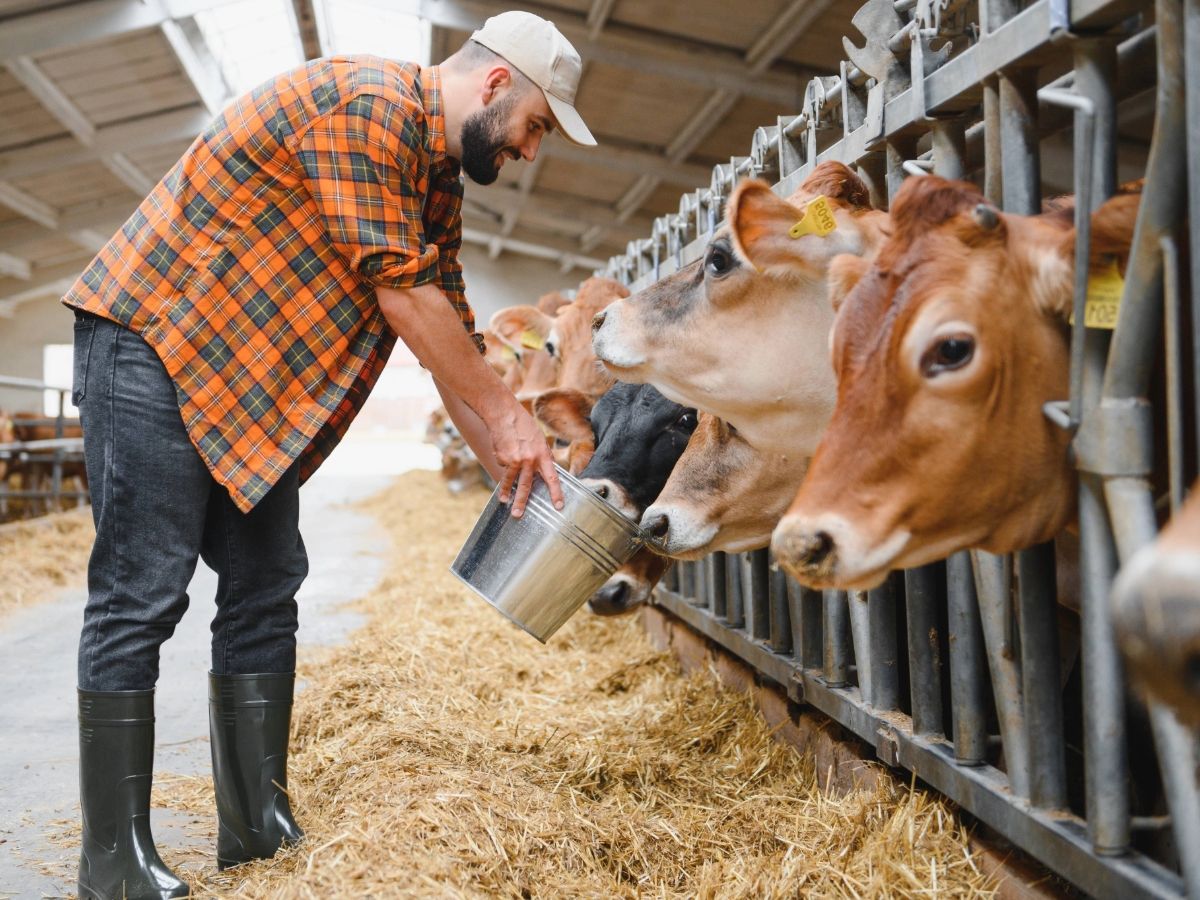
Italy’s feed industry is facing a simultaneous squeeze from declining corn production, quality risks, disrupted international supply routes and higher energy costs. Assalzoo, the national association of animal feed producers, warned that these pressures could affect feed manufacturers, livestock farms and some of Italy’s leading protected-origin food chains.
Early indications for Italy’s 2026 corn campaign point to a sharp contraction in domestic production. Even the most optimistic forecasts show declines exceeding 35% in areas most affected by drought and high temperatures, according to Assalzoo. The problem extends across Europe: initial estimates of an approximately 61-million-tonne EU corn harvest have fallen to about 50 million tonnes. The reduction of more than 11 million tonnes would put the crop at one of its lowest levels in the past twenty years.
Usable supply may fall by even more than the headline production figures suggest. Weather conditions have increased the risk of mycotoxin contamination, particularly from aflatoxins and fumonisins. Corn that fails animal-feed safety or quality requirements cannot readily replace compliant material, leaving compound-feed producers with a narrower pool of domestic grain.
Prices rise as import needs grow
Market prices already reflect the tighter balance. Distribuzione Moderna reported, citing Milan grain exchange quotations, that domestic corn meeting specified quality characteristics had gained about 15% from the end of June. Prices for dehulled soybean meal had risen by more than 20% over the same broad period. These increases affect two central components of livestock rations: corn as an energy source and soybean meal as a protein source.
The shortage is particularly difficult for protected designation of origin, or DOP, supply chains. Rules governing the origin and sourcing area of feed ingredients can limit the use of alternatives. A decline in suitable Italian corn could therefore affect not only feed plants and farms but also livestock-based food products whose specifications restrict how animals are fed.
Italy is structurally dependent on external supplies, making imports more important when its domestic harvest falls. At the same time, the Russia-Ukraine conflict and attacks on ports, infrastructure and commercial vessels are impairing Black Sea grain routes. Operators must seek alternative origins and shipping paths, potentially increasing costs and making supply diversification more urgent.
Soy regulation and diesel add pressure
Assalzoo is also concerned about the forthcoming application of the EU Deforestation Regulation, or EUDR, to soy. Europe depends heavily on imports of this essential feed protein. While supporting the regulation’s environmental objectives, the association called for consideration of a suspension of its application to soy because additional compliance restrictions could narrow market access during an already difficult period for international procurement.
Energy and transport costs compound the raw-material pressure. Brent crude rose by around 25% from the beginning of August, while Italy’s average road-diesel price increased from about €1.89 per litre at the end of June to more than €2.33 in September. That was a rise of almost 24% in less than three months. Feed logistics rely predominantly on road transport, so fuel increases flow directly into the cost of collecting raw materials and distributing finished feed.
Massimo Zanin, president of Assalzoo, said the fall in Italian corn production and worsening quality had arrived as war was compromising key agricultural commodity routes. He added that EUDR requirements could complicate access to soy, while higher energy and diesel costs were intensifying pressure across the livestock supply chain.