Iran-Russia Agricultural Trade Nears $2 Billion as Seafood Access Faces Compliance Test
Russia’s agricultural trade with Iran totaled nearly $2 billion in January-June 2026, led by Russian grain and vegetable oil shipments. Iran is seeking wider access to the Russian seafood market, but Moscow says suppliers must meet its production-control and state-supervision requirements.
Russian shipments dominate bilateral trade
Agricultural trade between Russia and Iran approached $2 billion in the first half of 2026, with the flow heavily weighted toward Russian exports of grains and vegetable oils, according to figures reported by Mehr News Agency.
Data attributed to Russia’s Federal Customs Service showed that Russia exported 3.2 million tonnes of agricultural products worth $1.4 billion to Iran between January and June 2026. The principal commodities were corn, barley, wheat, sunflower oil and rapeseed oil, products that are important to Iran’s food-processing, livestock-feed and edible-oil supply chains.
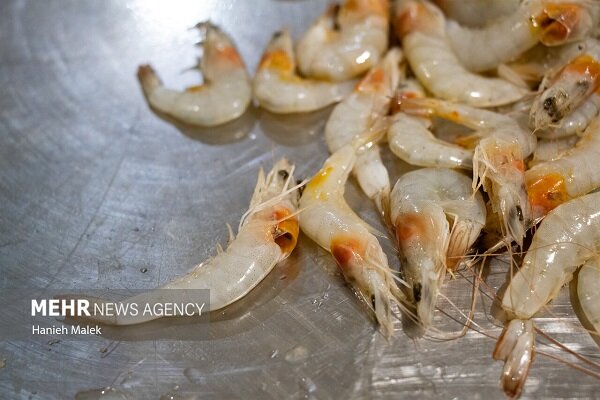
Over the same period, Russia imported 495,700 tonnes of Iranian agricultural goods valued at $588.9 million. The main products included fresh peppers, lettuce, pistachios, kiwifruit and crustaceans. Combined, the reported flows were worth approximately $1.99 billion, while Russian shipments represented the majority of both the bilateral tonnage and value.
The figures also indicate a significant difference in the average value of goods moving in each direction. Iran’s exports consisted partly of higher-value horticultural products, nuts and seafood, while Russia’s much larger volume was concentrated in bulk agricultural commodities and vegetable oils. The source did not provide product-level values or volumes, preventing a more detailed assessment of the contribution made by each commodity.
Iran seeks broader access for seafood suppliers
The trade figures were disclosed alongside a meeting in Moscow between Sergey Dankvert, head of Russia’s federal veterinary and phytosanitary oversight authority, and Vahid Salehi, Iran’s deputy minister and head of the country’s veterinary organization. Mehr reported that the officials discussed veterinary and phytosanitary controls, agricultural product safety and quality requirements, cooperation between competent authorities and further development of agricultural trade.
Iran expressed interest in increasing seafood supplies to Russia and expanding the list of Iranian producers and facilities authorized to export fishery products to the market. Russia, however, tied any increase in imports to compliance with its established requirements.
Dankvert said Iranian seafood imports would be possible if suppliers met Russian conditions, ensured full control over the production process and provided state supervision of products intended for export, according to Mehr. The statement makes regulatory compliance and official verification central to any expansion, rather than indicating that broader market access has already been granted.
For Iranian processors, enlargement of the approved supplier list could create additional opportunities in Russia, particularly for seafood and crustaceans. Progress will depend on whether individual facilities and Iran’s supervisory system can demonstrate that production, inspection and export certification meet Russian standards. No timetable, target volume or list of prospective new exporters was provided.
Training planned for regulatory specialists
The two sides also considered training and technical cooperation between their agricultural oversight bodies. Plant-quarantine courses for Iranian specialists were planned at Russia’s VNIIKR federal institute during the current year, Mehr reported.
Russian officials additionally proposed that Iranian experts participate in animal-disease prevention courses at the VNIIZh federal institute. The training initiatives could support closer alignment in quarantine, veterinary controls and certification procedures, all of which affect whether agricultural and seafood consignments are accepted at the border.
Both governments agreed to continue cooperation, maintain dialogue between their specialist agencies and expand exchanges of scientific and practical experience. For traders, the immediate commercial picture remains divided: Russian bulk commodity suppliers already serve Iran at substantial scale, while further growth in Iranian seafood sales depends on regulatory clearance, production controls and the addition of eligible facilities.