Iran authorizes up to 500,000 tonnes of feed-wheat imports
Iran has removed feed wheat from a prohibited import category and authorized purchases of up to 500,000 tonnes through the end of 1405. The measure is intended to offset barley shortages and ease feed-cost pressure, although its impact will depend on foreign-exchange allocation, delivery schedules and distribution prices.
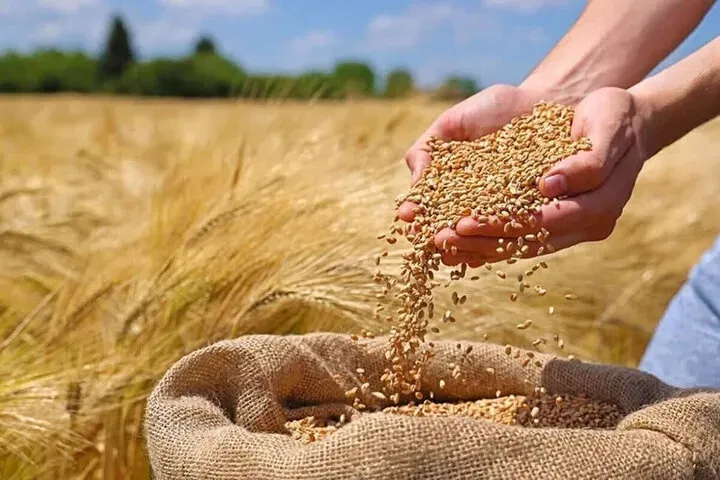
Import barrier removed
Iran has reopened its market to feed-wheat imports, authorizing purchases of up to 500,000 tonnes through the end of the Iranian year 1405. Vana News reported that the Trade Promotion Organization of Iran notified customs and the trade network of the change in a directive dated 4 Shahrivar 1405.
Tariff line 10011910, covering feed wheat, has been removed from commodity group 4. Goods in that category are effectively barred from normal import registration and entry, so the reclassification allows importers to pursue order registration, foreign-exchange allocation and customs clearance. Feed wheat has been assigned foreign-exchange priority 21, with purchases required to remain within the Ministry of Agriculture’s currency ceiling and create no additional financial commitment for the government.
An alternative to scarce barley
The policy is designed to widen the range of feed ingredients available to Iranian livestock and poultry producers. Barley, corn and soybean meal are among the sector’s principal inputs, but recent constraints on feed-barley supplies and higher global grain-purchasing costs have encouraged the government to consider alternatives.
Mohammad Jafari, secretary of the Iranian Grain Association, previously said feed-wheat imports had entered the implementation phase with a foreign-currency price ceiling of €235 per tonne. The grain is expected to replace part of the barley deficit in livestock and poultry rations. Wheat, like barley, supplies energy, but the substitution is not one-for-one: inclusion rates must reflect the animal species and the ration’s protein, energy, starch and fibre balance.
Under the previously announced mechanism, approved companies may import the wheat at the specified reference rate, after which it is to be supplied to livestock farmers, poultry producers and integrated production chains through the Bazargah distribution system. Imported feed wheat must not be mixed with domestically produced wheat or diverted to industries outside the intended market, particularly the flour and bread chain.
Limited volume, potentially useful buffer
The 500,000-tonne ceiling is significant but modest compared with Iran’s overall feed market. According to figures cited by Vana News from the Ministry of Agriculture’s livestock production department, Iran imported about 18 million tonnes of feed ingredients in the previous year, including roughly 10.5 million tonnes of barley, 4.5 million tonnes of soybean meal and nearly 3.5 million tonnes of corn. Total feed use, including forage and grain, was estimated at about 70 million tonnes. Trade-sector estimates separately put annual imports of feed ingredients and oilseeds at around 17 million tonnes.
The authorized wheat volume therefore cannot transform the market on its own. It could nevertheless serve as a substitute and balancing supply during periods of shortage. If shipments arrive as planned, producers using feed wheat will require less barley, potentially limiting further barley-price increases where supplies are tight.
Effect on meat prices depends on execution
The market impact will depend on the speed of order registration and currency allocation, vessel arrival times, freight and clearance costs, the final Bazargah selling price and the quantities allocated to individual producers. Global wheat prices and the exchange rate available to importers will also determine the cost delivered to farms.
Feed is a major component of the cost of producing meat, poultry, eggs and dairy products. More reliable access to grain could reduce procurement risk and restrain cost increases, but it does not guarantee an immediate fall in retail prices. Labour, energy, transport, medicines, vaccines, animal losses, working capital and distribution costs also affect consumer prices.
The measure applies specifically to feed wheat and does not represent a broader opening for milling wheat or an abandonment of domestic production policy. Agriculture officials have forecast Iranian wheat output of more than 12 million tonnes in 1405. The immediate indicators for the feed market will be the volume actually imported, the Bazargah sale price and the response of barley and other feed-input prices.