Investment funds push up demand for prime farmland in Spain and Portugal
Capital directed to intensive almond, pistachio and olive cultivation in Spain and Portugal increased by 50% in the last year. Fund purchases of high-quality farmland are raising land values and putting pressure on traditional farm ownership.
Capital targets intensive permanent crops
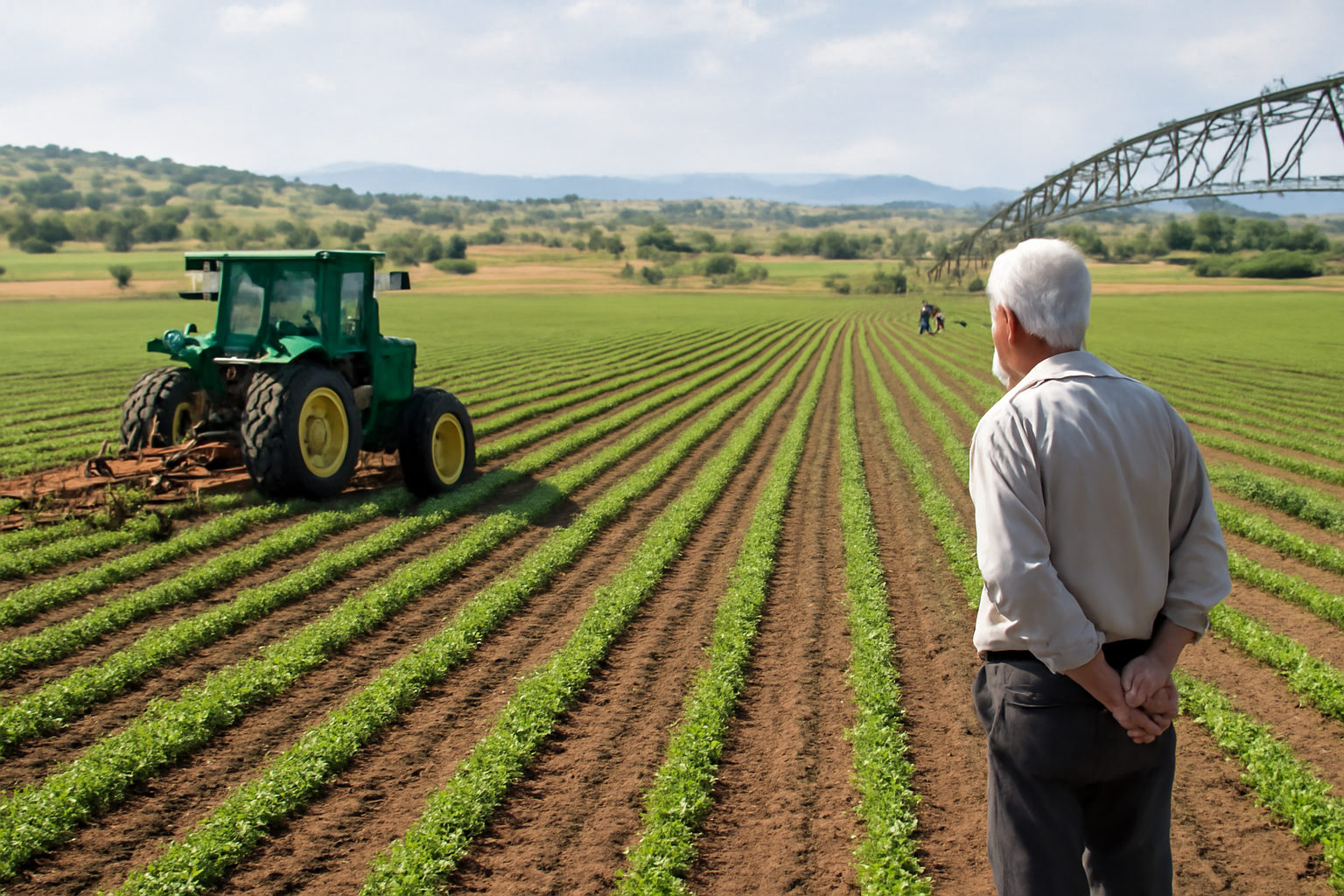
Capital invested in intensive almond, pistachio and olive cultivation in Spain and Portugal increased by 50% in the last year. Investment funds are concentrating on some of the best agricultural land, where permanent crops can be developed at scale and managed as long-term productive assets.
The increase is strengthening demand for rural properties and pushing up land values. Transactions involving agricultural estates are growing faster than home sales, indicating that investor interest is affecting the land market beyond individual projects. No absolute investment total, average land price or regional breakdown was provided, so the size of the increase in euros and the differences between producing areas cannot be quantified from the available information.
Almond, pistachio and olive orchards share characteristics that can attract institutional capital. They require land to be committed for several years, favour coordinated management and can support intensive production systems. These features allow investors to assemble larger operations, although actual performance still depends on the quality of the land and the economics of each crop.
Higher land values pressure traditional ownership
Competition for prime farms creates a direct challenge for traditional agricultural ownership. Farmers seeking to expand must compete with buyers able to deploy investment capital across larger properties. Owners may benefit from higher sale values, but prospective farmers and existing producers looking for additional land face a more expensive entry point.
The effect is not limited to outright purchases. Rising asset values can influence lease negotiations, succession decisions and the cost of consolidating fragmented holdings. For family farms, the choice between continuing production and selling becomes more consequential when investment demand raises the market value of the property.
The change also separates ownership from farm operation more clearly. An investment vehicle may own the land while specialist managers or agricultural companies operate the orchards. That arrangement can bring capital into crop establishment and production capacity, but it can also reduce the share of farmland controlled directly by resident or family producers.
Spain and Portugal face a common land-market shift
The 50% increase covers Spain and Portugal together, placing both countries within the same investment trend. The available material does not specify how the capital is divided between them or among almonds, pistachios and olives. It therefore does not establish which country or crop accounts for most of the growth.
For producers and processors, additional intensive planting may eventually expand the supply base for nuts and olive products. The source material, however, provides no figures for new hectares, expected harvests, processing capacity, prices or trade flows. Any production or export effect will depend on how much purchased land is newly planted, how quickly orchards mature and whether the investment replaces or adds to existing cultivation.
The immediate, documented impact is on farmland competition. More capital is pursuing high-quality agricultural assets, transactions are gaining pace and traditional owners face buyers with different financing capacity and investment horizons. Without detailed price and acreage data, the direction of the market is clearer than its final scale.